
Calorie Tracking Guides
Expert, evidence-based guides on calorie tracking for your specific lifestyle, diet, health condition, or fitness goal.
Fitness & Sports
(19)
Calorie Tracking for Basketball Players
Calorie tracking can help basketball players connect eating habits with activity, body weight, and overall diet quality. Because basketball counts as vigorous-intensity physical activity, using a tracker can make it easier to keep food, water, activity, and weight records in one place and adjust your routine to match your goals.

Calorie Tracking for Bodybuilding
A practical guide to calorie tracking for bodybuilders, with general advice on tracking food, activity, hydration, and body weight while following a healthy eating plan and regular strength training routine.

Calorie Tracking for Boxing
A practical guide to calorie tracking for boxing, with a focus on healthy eating patterns, regular activity, hydration, and weight management over time.

Calorie Tracking for Calisthenics
A practical guide to calorie tracking for calisthenics practitioners who want to manage weight, support regular training, and build a sustainable eating plan with GAYA.

Calorie Tracking for CrossFit
A practical guide to calorie tracking for CrossFit athletes who want a clearer view of their eating pattern, activity, and weight goals.

Calorie Tracking for Cycling
A practical guide to calorie tracking for cyclists who want to connect their eating habits, riding routine, and weight-management goals with healthy eating and regular physical activity.

Calorie Tracking for American Football
This guide helps American Football players use calorie tracking to support a healthy eating pattern, monitor food and beverage intake, and stay organized around activity and weight-management goals with GAYA.

Calorie Tracking for Golf
A practical guide to calorie tracking for golfers who want more awareness around eating, hydration, activity, and weight-management habits on golf days and beyond.

Calorie Tracking for HIIT Training
Use this guide to track your eating habits around HIIT, build a healthy eating pattern, and connect calorie intake with your overall activity and weight goals in GAYA. The core ideas are straightforward: weight management depends on calorie balance, healthy eating should provide the energy and nutrients you need each day, and regular physical activity works best when you can sustain it over time.

Calorie Tracking for Hiking & Trail Running
A practical guide to tracking calories, food, and activity around hiking and trail running. Learn how healthy eating patterns, hydration, and weekly activity goals can support an active routine.

Calorie Tracking for Martial Arts
Use calorie tracking to compare your food and beverage intake with your training routine, support weight management, and build a balanced eating pattern that fits regular martial arts practice.

Calorie Tracking for Rock Climbing
A practical guide to calorie tracking for rock climbers who want to connect food intake, hydration, physical activity, and weight-management goals using GAYA.

Calorie Tracking for Runners
A practical guide for runners who want to use calorie tracking to understand eating patterns, support weight-related goals, and pair healthy eating with regular activity. It also covers hydration, strength work, and the core activity targets for active adults.

Calorie Tracking for Skiing & Snowboarding
Use calorie tracking as a practical way to compare quieter days with more active days on the slopes. This guide focuses on healthy eating patterns, activity tracking, and water intake so you can plan meals and snacks more deliberately.

Calorie Tracking for Soccer Players
This guide helps soccer players use GAYA to monitor food and drink intake, compare it with activity levels, and support healthy weight and nutrition habits over time.

Calorie Tracking for Swimming
A practical guide to calorie tracking for swimming, focused on healthy eating, hydration, activity logging, and weight-management habits you can maintain over time.

Calorie Tracking for Tennis Players
Use calorie tracking to compare what you eat and drink with how active you are on court. For tennis players, that can make it easier to build a healthy eating pattern, count calories from beverages, and manage weight around singles, doubles, and strength work.

Calorie Tracking for Weightlifting
Learn how to use calorie tracking alongside healthy eating, regular activity, and progress logging to support your weightlifting routine and weight goals.

Calorie Tracking for Yoga Practitioners
A practical guide to using calorie tracking alongside yoga. Learn how to connect food intake, physical activity, hydration, and weight goals with a sustainable eating pattern and weekly routine.
Health Conditions
(19)
Calorie Tracking for ADHD
A practical guide to calorie tracking for adults with ADHD. ADHD symptoms such as forgetfulness, impulsivity, disorganization, and difficulty staying consistent with healthy habits can make eating routines harder to manage, but simple structure, realistic goals, and progress tracking can help you stay on plan over time.

Calorie Tracking for Arthritis
A practical guide to using calorie awareness as part of arthritis self-care, with a focus on healthy weight, balanced eating, regular physical activity, and working with your health care provider.
Calorie Tracking for Celiac Disease
This guide explains how to track calories while following the lifelong gluten-free diet used to treat celiac disease, with an emphasis on label reading, balanced eating, and avoiding hidden gluten.
Calorie Tracking for Chronic Fatigue Syndrome
This guide offers a compassionate, practical way to think about calorie or food tracking with Myalgic Encephalomyelitis/Chronic Fatigue Syndrome (ME/CFS). The main goal is to keep any tracking routine light, flexible, and secondary to pacing, symptom prevention, and clinician-guided care.

Calorie Tracking for Crohn's & Ulcerative Colitis
This guide explains how to use calorie tracking as a practical food diary when you have Crohn's disease or ulcerative colitis. Logging what you eat and drink can help you notice foods that seem related to symptoms and give you a clearer record to discuss with your doctor about healthy eating plans, diet changes, and supplements when appetite, weight loss, or nutrient intake are concerns.

Calorie Tracking for Type 2 Diabetes
Calorie tracking can be a practical way to support healthy eating, weight management, and blood sugar management in Type 2 diabetes, especially when you also pay attention to portions, carbohydrates, and regular physical activity.

Calorie Tracking for Eating Disorder Recovery
This guide takes a cautious, recovery-focused look at calorie tracking and keeps the emphasis on what current guidance does stress: eating disorders are serious illnesses, early treatment matters, and eating patterns that provide enough energy and nutrients are part of overall health.

Calorie Tracking for GLP-1 & Ozempic Users
GLP-1 medicines such as semaglutide and tirzepatide can reduce hunger, slow stomach emptying, or help you feel full sooner. That can change how much you eat, so calorie tracking can be a useful way to monitor your intake as part of a healthy eating and physical activity plan.

Calorie Tracking for Gut Health & Microbiome
Use calorie tracking as a practical way to support a balanced eating pattern: enough energy, enough nutrients, plenty of fiber-rich foods, and habits you can maintain over time.

Calorie Tracking for Heart Health
This guide shows how tracking calories and food choices can support a heart-healthy eating pattern, help you stay within calorie needs that fit your body, and keep an eye on nutrients such as sodium, saturated fat, and added sugars.

Calorie Tracking for High Blood Pressure
This guide explains how calorie tracking can fit into a broader high blood pressure plan that emphasizes DASH-style eating, sodium awareness, physical activity, and healthy-weight goals.

Calorie Tracking for IBS (Irritable Bowel Syndrome)
Use calorie tracking as a simple companion to IBS care by paying attention not only to calories, but also to symptom patterns, bowel changes, fiber, gluten for some people, and low-FODMAP strategies discussed with your clinician or dietitian.
Calorie Tracking for Kidney Disease (CKD)
This guide explains how to use calorie and food tracking with CKD, with attention to calories, protein, sodium, potassium, phosphorus, and liquids. If you use GAYA as your food log, it can help you keep a consistent record to review with your health care professional or renal dietitian as your needs change.

Calorie Tracking for Menopause
A practical guide to using calorie tracking during perimenopause and menopause, with a focus on weight changes, symptom-aware routines, bone health, and healthy aging.
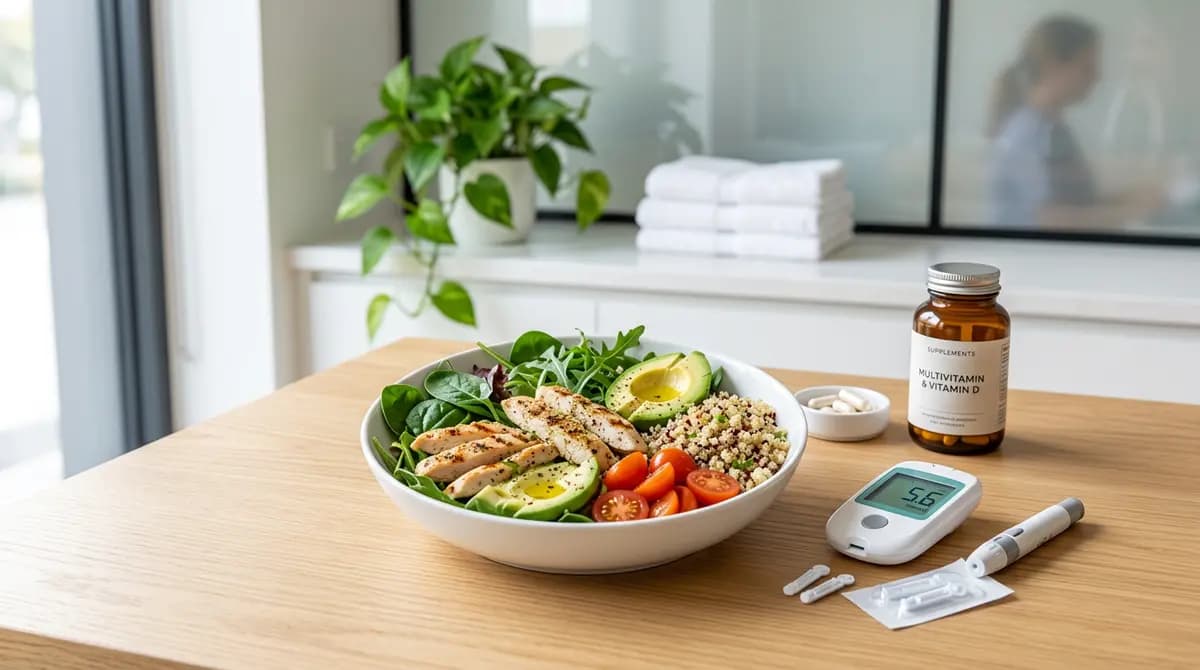
Calorie Tracking for PCOS Weight Loss
This guide explains how calorie tracking can fit into PCOS weight management. PCOS is linked with hormonal imbalance, metabolism problems, and insulin resistance, and for people with PCOS who have overweight or obesity, losing weight and becoming more physically active can help reduce symptoms and improve related health markers.
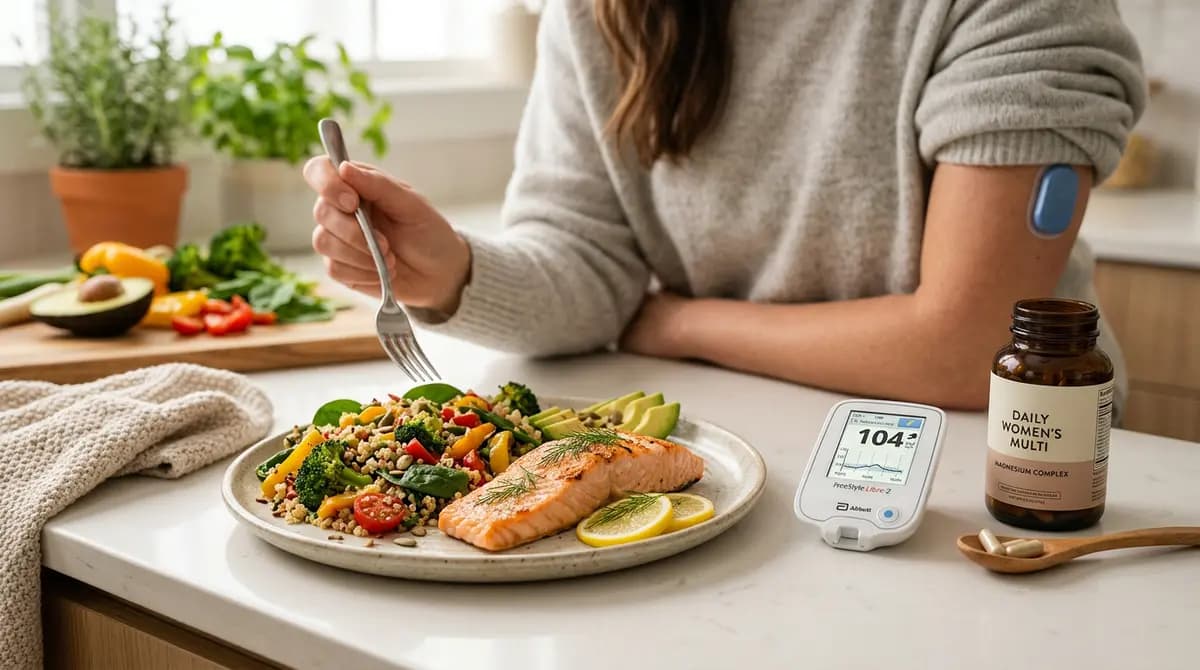
Calorie Tracking for PCOS
PCOS can affect menstrual cycles, fertility, weight, insulin resistance, and long-term metabolic health. This guide explains how to use calorie awareness within the healthy eating, physical activity, and weight-management steps commonly used in PCOS care.

Calorie Tracking for Perimenopause
Perimenopause is the time leading up to menopause, when hormone levels can change unpredictably and symptoms such as irregular periods, hot flashes, sleep problems, mood changes, and vaginal dryness may appear. This guide explains how calorie tracking can fit into a broader routine of tracking meals, symptoms, and daily habits during the menopausal transition.

Calorie Tracking for Post-Surgery Recovery
A practical guide to using calorie tracking after surgery while following instructions on food stages, portions, fluids, supplements, and activity.

Calorie Tracking for Thyroid Issues (Hypothyroidism)
A practical guide to calorie tracking with hypothyroidism, including treatment routines, iodine considerations, and questions to discuss with your healthcare provider.
Life Stages
(9)
Calorie Tracking for Busy Professionals
A practical guide for professionals with packed schedules who want to use calorie tracking to support healthier eating, realistic calorie goals, and consistent food and activity habits.

Calorie Tracking for College Students
College life can make eating routines feel inconsistent. This guide helps students use calorie tracking to build awareness around portions, foods and beverages, activity, sleep, and stress so they can make steadier choices that fit their goals, schedule, and budget.

Calorie Tracking for Couples
A practical guide for couples who want to track calories with shared routines while keeping individual needs in mind. Learn how to plan meals, watch portions, and build healthier eating and activity habits together.

Calorie Tracking for Military & First Responders
This guide shows military personnel and first responders how to use GAYA as a practical way to notice eating, activity, and weight patterns while building a healthy eating plan that provides the energy and nutrients your body needs each day.

Calorie Tracking for Night Shift Workers
Night shift schedules can disrupt circadian rhythms and make healthy sleep harder to maintain. This guide focuses on supported sleep, eating, activity, and planning habits that can help night shift workers support weight management and overall well-being around an overnight routine.

Calorie Tracking for Remote Workers
Working from home can make it easier to sit for long periods, keep snacks close by, and let daily habits drift. A balanced eating plan, regular physical activity, and consistent self-monitoring can help support weight management and overall health.

Calorie Tracking for Shift Workers
Shift work can make sleep and healthy routines harder to manage. This guide covers calorie tracking with the bigger picture in mind: balanced eating, regular activity, and sleep habits that fit changing schedules.

Calorie Tracking for Teenagers
This guide explains how teenagers can keep calorie numbers in perspective while focusing on balanced eating, enough daily nutrients, water, and regular physical activity. It also shows how to use GAYA in a flexible, non-strict way while you grow.

Calorie Tracking for Frequent Travelers
Frequent travel can make healthy eating feel less predictable, especially when more meals happen at restaurants or away from home. This guide focuses on practical ways to track calories, stay aware of portions, and keep eating and activity habits more consistent while you travel.
Diet Types
(12)
Calorie Tracking for Carnivore Diet
Learn how calorie tracking can help you monitor intake, set realistic goals, and review progress while following a carnivore-style eating pattern. The focus is on practical tracking habits, adequate daily nutrition, and an approach you can maintain over time.

Calorie Tracking for Flexible Dieting (IIFYM)
Use calorie tracking in a flexible eating style without losing sight of the basics: calorie balance, varied nutrient-rich foods, regular activity, and habits you can maintain over time. This guide is for people who want dietary flexibility with a more structured way to monitor intake and progress.

Calorie Tracking for Gluten-Free Diet
If you follow a gluten-free eating pattern and want more structure around your intake, calorie tracking can help you compare what you eat and drink with your goals. The most useful approach is to pair calorie awareness with a balanced, nutrient-rich eating pattern, attention to labels and portions, and regular physical activity.

Calorie Tracking for Intermittent Fasting
A practical guide to tracking calories while using intermittent fasting. Learn how to match your eating pattern to calorie balance, choose nutrient-rich foods, and support your plan with regular physical activity.

Calorie Tracking for Keto Diet
If you follow a keto-style eating pattern, tracking calories and food intake can give you a more structured way to monitor portions, read labels, and support weight-management goals over time.

Calorie Tracking for Low Carb Diet
This guide explains how calorie tracking can support weight management on a low-carb eating pattern and how food logs, label reading, and regular progress review can help you stay consistent with your goals.

Calorie Tracking for Mediterranean Diet
This guide helps followers of a Mediterranean-style eating pattern track calories in a practical, balanced way so they can support weight-related goals while keeping the focus on whole, nutritious foods, enjoyable meals, and long-term consistency.

Calorie Tracking for Paleo Diet
Calorie awareness can work alongside a Paleo-style eating pattern when you want more structure around weight-related goals. Tracking what you eat can help you monitor intake, notice patterns, and support realistic habit changes over time. Talk with a healthcare professional before making major diet changes, especially if you have a medical condition; a registered dietitian may also help you choose an approach that fits your needs and preferences.

Calorie Tracking for Plant-Based Diet
A practical guide to tracking intake on a plant-based diet, with a focus on variety, protein foods, fortified products, and nutrients such as iron, calcium, zinc, vitamin B12, and vitamin D.

Calorie Tracking for Vegan Diet
This guide explains how calorie tracking can fit into a vegan eating pattern, with a focus on variety, label reading, and key nutrients such as protein, iron, calcium, vitamin B12, and vitamin D.

Calorie Tracking for Vegetarian Diet
This guide helps vegetarians use calorie tracking to review overall intake, food variety, and nutrients that often need extra attention in vegetarian eating patterns, including protein, iron, calcium, zinc, vitamin B12, and vitamin D.

Calorie Tracking for Whole30
A practical guide to using calorie tracking alongside a Whole30-style eating pattern, with an emphasis on healthy eating, calorie balance, physical activity, and sustainable habits.
Cultural & Religious
(6)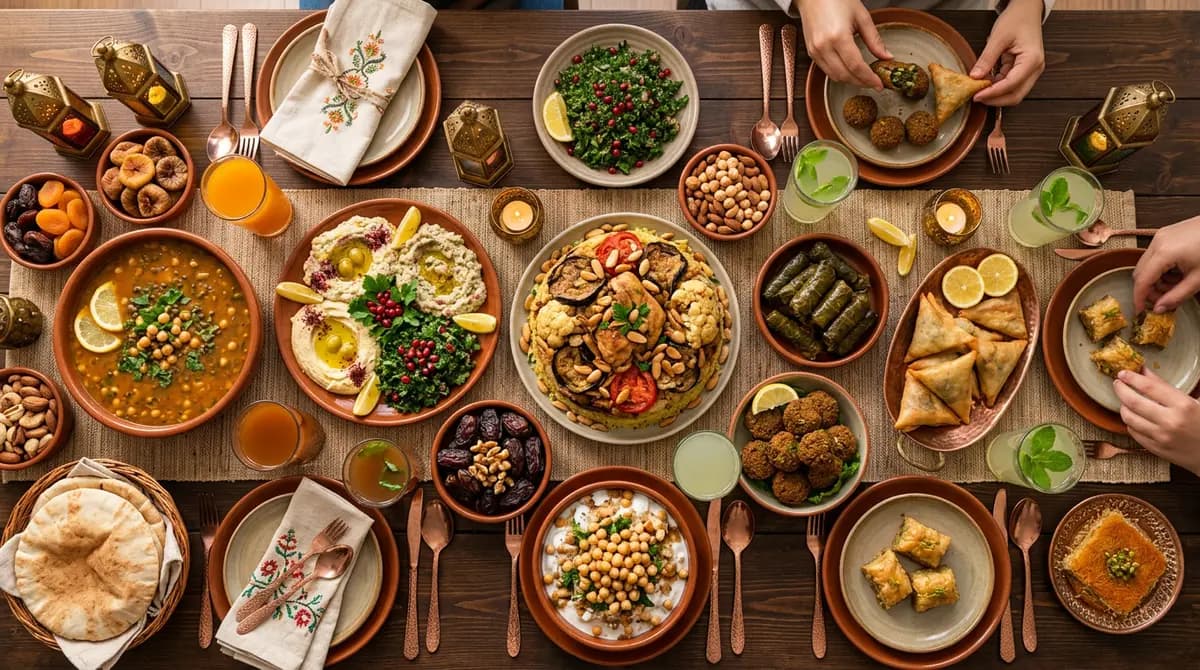
Calorie Tracking During Ramadan
Calorie tracking during Ramadan can be a practical way to stay aware of what you eat and drink, support a balanced eating pattern, and keep your intake aligned with weight-maintenance or weight-loss goals. Healthy eating plans should provide energy and nutrients, include water, and fit your cultural traditions and preferences.
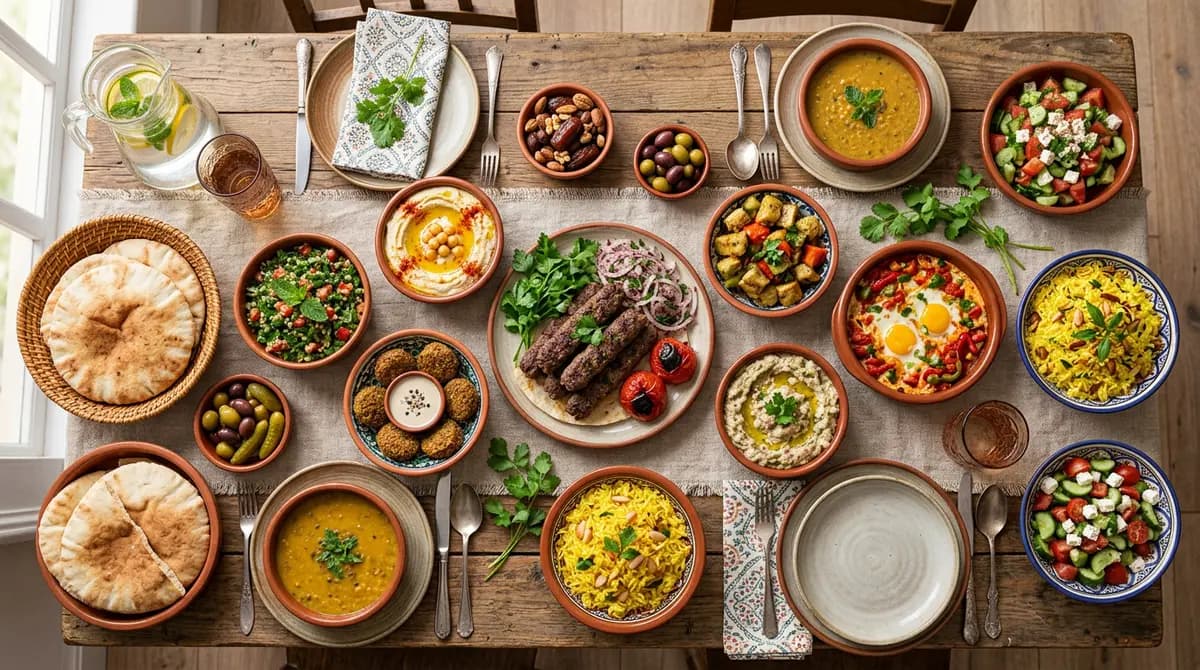
Calorie Tracking for Halal Diet
This guide shows how to apply calorie tracking to a halal eating pattern using healthy eating, label reading, self-monitoring, and regular physical activity habits that support weight management and long-term health.

Calorie Tracking for Kosher Diet
A calorie-tracking approach can fit kosher eating when it is built around a healthy eating pattern you can maintain over time and that respects your cultural traditions and preferences. Tracking food, activity, and progress can help support weight-management and overall health goals.
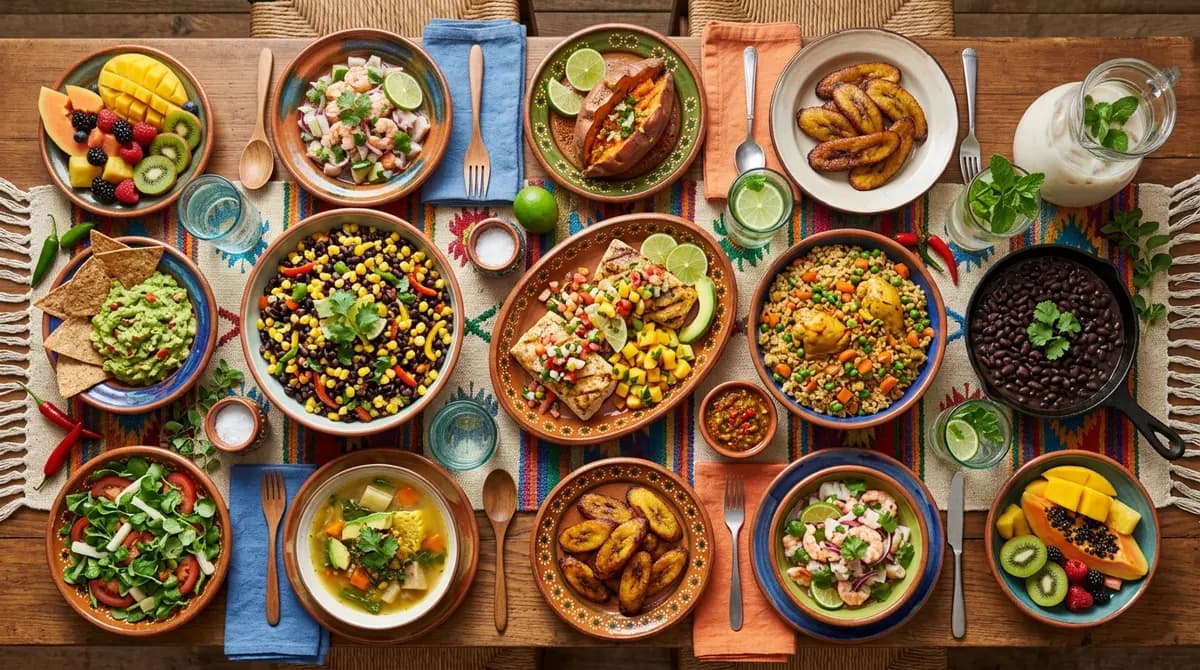
Calorie Tracking for Latin American Diet
Calorie tracking can fit alongside Latin American foods when you build an eating pattern that includes a variety of nutritious foods, respects cultural traditions, and can be maintained over time.
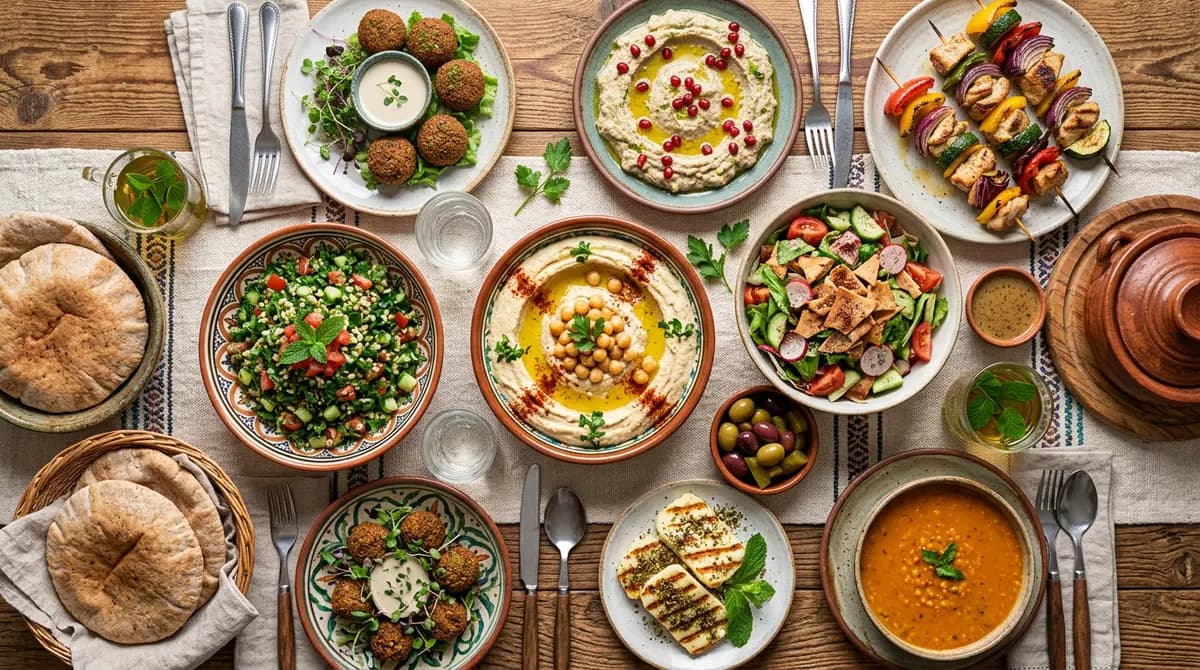
Calorie Tracking for Middle Eastern Diet
This guide offers practical, culturally aware tips for tracking calories while enjoying Middle Eastern-style foods and building a balanced eating pattern that you can maintain over time.

Calorie Tracking for South Asian Diet
A practical guide to tracking calories and eating patterns while keeping South Asian foods and traditions part of a balanced routine.
Goals
(5)
Calorie Tracking for Competition Prep
A practical guide to calorie tracking during competition prep, focused on building a healthy eating pattern, monitoring progress, and pairing nutrition with regular physical activity.

Calorie Tracking for Weight Maintenance
This guide explains how calorie tracking can support weight maintenance by helping you monitor food intake, physical activity, and weight while continuing healthy eating and activity habits over time.

Calorie Tracking for Muscle Gain
Calorie tracking can help organize your eating plan for muscle-focused training by helping you monitor food, activity, and weight over time. Combined with regular strength training, aerobic activity, and a nutritious eating pattern, it can help you stay consistent and make practical adjustments.

Calorie Tracking for Reverse Dieting
A practical guide to using calorie tracking as you increase intake after a diet, with an emphasis on balanced food choices, regular monitoring, and sustainable habits that support long-term weight maintenance.

Calorie Tracking for Weight Loss
This guide helps you use calorie tracking to follow what you eat and drink, monitor progress, and build healthy habits that support weight loss and long-term weight management. It pairs tracking with a lower-calorie eating plan, nutritious food choices, and regular physical activity.