
Medical

Calorie Tracking for ADHD

This comprehensive guide demystifies calorie tracking for individuals with ADHD, offering practical strategies to navigate common challenges like forgetfulness, impulsivity, and executive dysfunction. Learn how GAYA can become your reliable partner in achieving consistent nutritional goals and better overall well-being.

Calorie Tracking for ADHD

Common Struggles

  • Forgetfulness and inconsistency in logging meals due to working memory challenges.
  • Impulsive eating choices, leading to unrecorded snacks or overeating without conscious thought.
  • Executive dysfunction making meal planning, preparation, and consistent tracking overwhelming.
  • Difficulty with repetitive tasks and maintaining long-term adherence to tracking routines.

🎯 Key Considerations

  • The impact of ADHD medication (e.g., stimulants) on appetite, metabolism, and nutrient absorption.
  • The critical importance of stable blood sugar levels to manage energy crashes, mood swings, and improve focus.
  • A higher likelihood of nutrient deficiencies due to irregular eating patterns, restrictive food preferences, or 'hyperfocus' on certain foods.
  • The role of specific nutrients (e.g., omega-3s, protein, complex carbohydrates) in supporting brain function and potentially mitigating ADHD symptoms.

Why Calorie Tracking Matters for ADHD: Fueling Focus and Stability

For individuals with ADHD, consistent nutrition isn't just about weight management; it's a foundational pillar for managing symptoms, enhancing cognitive function, and optimizing overall well-being. Irregular eating patterns, often driven by impulsivity or forgetfulness, can lead to significant blood sugar fluctuations, exacerbating inattention, irritability, and energy crashes. By understanding your caloric and macronutrient intake, you gain a powerful tool to stabilize energy, improve focus, and even enhance the efficacy of your medication. This structured approach, facilitated by a smart tool like GAYA, can provide the external framework that executive function challenges often make difficult to build internally. Calorie tracking offers a unique opportunity to identify patterns between your food choices, energy levels, and mood. You might discover that certain foods trigger impulsive behaviors or energy dips, while others promote sustained focus and emotional stability. This self-awareness is invaluable for making informed dietary adjustments that directly support your ADHD management strategy. It transforms the often-chaotic experience of eating into a more intentional and empowering process, giving you a sense of control over an aspect of life that can often feel overwhelming. Always consult with your healthcare provider or a registered dietitian before making significant dietary changes, especially if you are on medication.

💡 Pro Tips

  • Link your nutrition to focus: Observe how balanced meals impact your ability to concentrate throughout the day.
  • Use tracking to identify patterns: Notice if certain foods or meal timings lead to energy crashes or heightened impulsivity.
  • Prioritize stable blood sugar: Understand that consistent calorie intake helps prevent the 'sugar highs and lows' that can worsen ADHD symptoms.

Start tracking with a photo

GAYA makes calorie tracking effortless — snap a photo and get instant nutrition data. Perfect for adhd.

Download GAYA
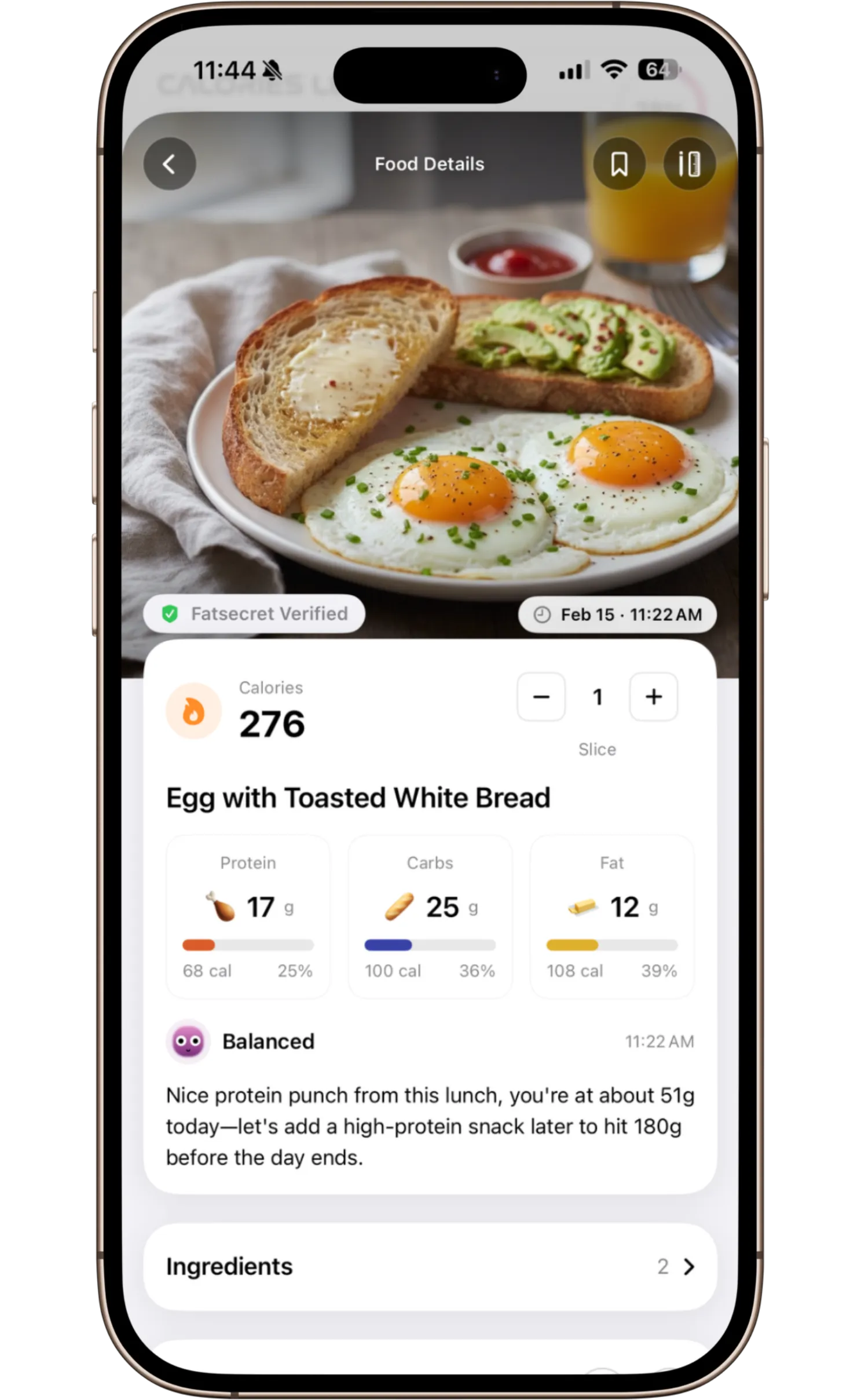
Photo food tracking with GAYA

Getting Started with GAYA: Simplifying Your Tracking Journey

The thought of meticulously tracking every bite can feel daunting, especially with ADHD's challenges around initiation and consistency. The key is to start small and leverage GAYA's intuitive features to minimize friction. Begin by focusing on consistency over perfection. Don't aim to track every single calorie perfectly from day one; instead, aim to log at least one meal consistently for a few days, then gradually add more. GAYA's AI-powered logging, like photo recognition or voice input, significantly reduces the mental effort required, making it less of a chore and more of a quick, integrated habit. Setting up your GAYA profile with realistic goals and using its reminder features is crucial. Consider 'pre-logging' your meals for the day in the morning, or even the night before, especially for breakfast and lunch. This reduces decision fatigue and the likelihood of forgetting later. For snacks or impulsive eating, try to log immediately, or use GAYA's quick-add feature. Remember, the goal is to build a sustainable habit, not to achieve flawless tracking instantly. Embrace the convenience GAYA offers to transform a potentially overwhelming task into a manageable daily routine.

💡 Pro Tips

  • Utilize GAYA's photo recognition or barcode scanner for quick, low-effort logging of meals and packaged foods.
  • Pre-log common meals or snacks: If you often eat the same breakfast, log it once and save it for easy re-entry.
  • Set GAYA reminders: Schedule alerts to log meals at specific times, acting as an external prompt for your working memory.

Beyond Calories: Managing Macros for ADHD Focus and Energy

While calories provide the energy, macronutrients—protein, carbohydrates, and fats—are the building blocks that profoundly impact brain function and ADHD symptoms. Prioritizing protein is essential; it provides sustained energy, helps regulate blood sugar, and supports neurotransmitter production crucial for focus and mood stability. Incorporating a good source of protein at every meal can help mitigate impulsive snacking and the 'brain fog' associated with blood sugar dips. Think eggs, lean meats, fish, legumes, or protein shakes. Complex carbohydrates are your friends for sustained energy without the crash. Unlike simple sugars that lead to rapid spikes and drops, whole grains, fruits, and vegetables release glucose slowly, providing a steady fuel supply for your brain. Healthy fats, particularly omega-3s found in fatty fish, flaxseeds, and walnuts, are vital for brain health and can play a role in modulating inflammation and supporting cognitive function. By paying attention to the balance of these macronutrients within your calorie budget, you can optimize your diet to specifically support your brain and manage your ADHD symptoms more effectively.

💡 Pro Tips

  • Prioritize protein: Aim for a protein source at every meal to enhance satiety and stabilize blood sugar for better focus.
  • Choose complex carbs: Opt for whole grains, fruits, and vegetables over refined sugars to prevent energy crashes.
  • Incorporate healthy fats: Include sources like avocados, nuts, seeds, and fatty fish for brain health and sustained energy.

Overcoming Common Challenges: Strategies for Sustained Success

Living with ADHD often means battling forgetfulness, impulsivity, and decision fatigue, which can derail even the best intentions for calorie tracking. One of the most effective strategies is to externalize memory and decision-making. Leverage GAYA's robust reminder system to prompt logging at meal times, and consider setting additional reminders for snacks. Create a 'food environment' that supports your goals: pre-portion snacks, keep healthy options visible and easily accessible, and reduce visual clutter of tempting, unlogged foods. This minimizes the mental effort required for healthy choices and tracking. Don't let a missed meal or an impulsive snack derail your entire day or week. With ADHD, inconsistency is a common hurdle, not a sign of failure. Embrace the 'reset' button: if you forget to log a meal, just log the next one. If you have an unplanned snack, log it and move on. The goal is long-term progress, not short-term perfection. GAYA's ability to show trends over time helps you see the bigger picture, reinforcing that occasional deviations are normal and don't negate your overall efforts. Focus on progress, not perfection, and use GAYA's insights to learn from your patterns.

💡 Pro Tips

  • Set multiple GAYA reminders: Use them not just for meals, but also for checking in on hydration or pre-logging.
  • Create a 'food environment': Pre-portion snacks and keep healthy, easily trackable options readily available to reduce impulsive choices.
  • Utilize 'reset' days: If tracking goes off-course, simply resume with your next meal or the next day without guilt or judgment.

Advanced Tips for Optimizing Your Nutritional Approach

Once you've established a consistent tracking routine with GAYA, you can begin to fine-tune your approach for even greater benefits. Experiment with nutrient timing to see how it impacts your energy and focus. For instance, some individuals with ADHD find that front-loading protein in the morning helps with sustained concentration, while others benefit from smaller, more frequent meals to maintain stable blood sugar. Use GAYA's detailed analytics to correlate specific food types or meal timings with your self-reported energy levels, mood, or productivity. Consider tracking hydration alongside your calories. Dehydration can mimic or exacerbate ADHD symptoms like fatigue and difficulty concentrating. GAYA can help you monitor your fluid intake and identify if it's contributing to your energy fluctuations. Additionally, if you suspect certain foods might be negatively impacting your symptoms, use GAYA to track their consumption and observe any patterns in your mood, focus, or physical symptoms. This data-driven approach, guided by GAYA's insights, empowers you to make highly personalized adjustments that can significantly improve your quality of life with ADHD. Remember to discuss any significant dietary changes with your healthcare provider.

💡 Pro Tips

  • Track your hydration: Use GAYA to monitor water intake, as even mild dehydration can impact focus and energy.
  • Correlate food with symptoms: Jot down notes in GAYA about how specific meals make you feel (e.g., 'focused,' 'sluggish,' 'irritable').
  • Experiment with food sensitivities: If you suspect a food causes issues, track its intake and observe its impact on your ADHD symptoms.

Your Action Checklist

Consult with a healthcare provider or registered dietitian before making significant dietary changes.
essential
Set up daily meal logging reminders within the GAYA app to aid working memory.
essential
Pre-log at least one meal (e.g., breakfast) the night before or first thing in the morning to reduce decision fatigue.
essential
Batch cook protein sources and healthy snacks once or twice a week for quick, easy, and trackable meals.
recommended
Keep a 'safe food' list in GAYA for easy, nutritious choices when executive function is low.
recommended
Review GAYA's weekly insights and trends to identify consistent patterns in your eating habits and their impact on your well-being.
recommended
Experiment with different meal timings (e.g., smaller, more frequent meals) to see what best optimizes your energy and focus.
optional
Track your water intake alongside food for a week to assess its impact on your concentration and energy levels.
optional

Common Mistakes to Avoid

Trying to track perfectly from day one, leading to burnout and abandonment when perfection isn't met.
Forgetting to log snacks or 'grazing' due to impulsivity, leading to an inaccurate picture of total intake.
Becoming overwhelmed by detailed macro tracking initially, rather than focusing on consistent calorie logging first.
Not leveraging GAYA's app features like reminders, photo logging, or saved meals to simplify the process.
Giving up entirely after a few inconsistent days, instead of simply restarting with the next meal or day.
Ignoring the impact of medication on appetite, making it harder to meet calorie goals without strategic planning.

Frequently Asked Questions

Can calorie tracking help with medication side effects like appetite suppression?+

Yes, calorie tracking with GAYA can be incredibly helpful. It allows you to monitor your intake and ensure you're consuming enough nutrients, even when appetite is low. You can strategically plan smaller, more nutrient-dense meals or snacks around medication timing to meet your daily needs.

How do I manage impulsive eating when I'm supposed to be tracking?+

Managing impulsive eating involves planning and immediate action. Try to pre-log potential snacks, use GAYA's reminders to prompt mindful eating, and keep healthy, pre-portioned options readily available. If an impulsive snack occurs, log it immediately without judgment to maintain data integrity and learn from the pattern.

Is it okay to miss a day of tracking or forget a meal?+

Absolutely. Inconsistency is a common challenge with ADHD, and it's perfectly okay to miss a day or forget a meal. The key is to resume tracking with your very next meal or the following day, rather than letting it derail your entire effort. Focus on the long-term trend, not daily perfection.

What if I forget what I ate hours ago or can't accurately recall quantities?+

Don't let perfect be the enemy of good. If you forget details, use GAYA's AI to estimate, or simply log what you remember and move on. Prioritize consistency over perfect recall. Over time, as you build the habit, you'll likely develop better awareness and recall of your intake.

How can I make meal prep less overwhelming with ADHD?+

Start small to avoid overwhelm. Instead of full meal prep, focus on 'component prep' – chopping one vegetable, cooking one protein source. Use GAYA to plan simple, repeatable meals that require minimal steps, like 'assembly meals.' Gradually increase complexity as you build confidence and routine.

Should I track calories on weekends or 'off' days?+

Ideally, yes, tracking on all days provides the most accurate picture of your overall intake and helps identify weekend patterns. However, if it feels too overwhelming, aim for consistency during the week first. Even partial tracking on weekends is better than none, and you can gradually extend your efforts over time.

Start tracking with a photo

GAYA makes calorie tracking effortless — snap a photo and get instant nutrition data. Perfect for adhd.

Download GAYA
Photo food tracking with GAYA

Related Guides