
Calorie Tracking During Ramadan
Calorie tracking during Ramadan can be a practical way to stay aware of what you eat and drink, support a balanced eating pattern, and keep your intake aligned with weight-maintenance or weight-loss goals. Healthy eating plans should provide energy and nutrients, include water, and fit your cultural traditions and preferences.
GAYA Editorial TeamReferences
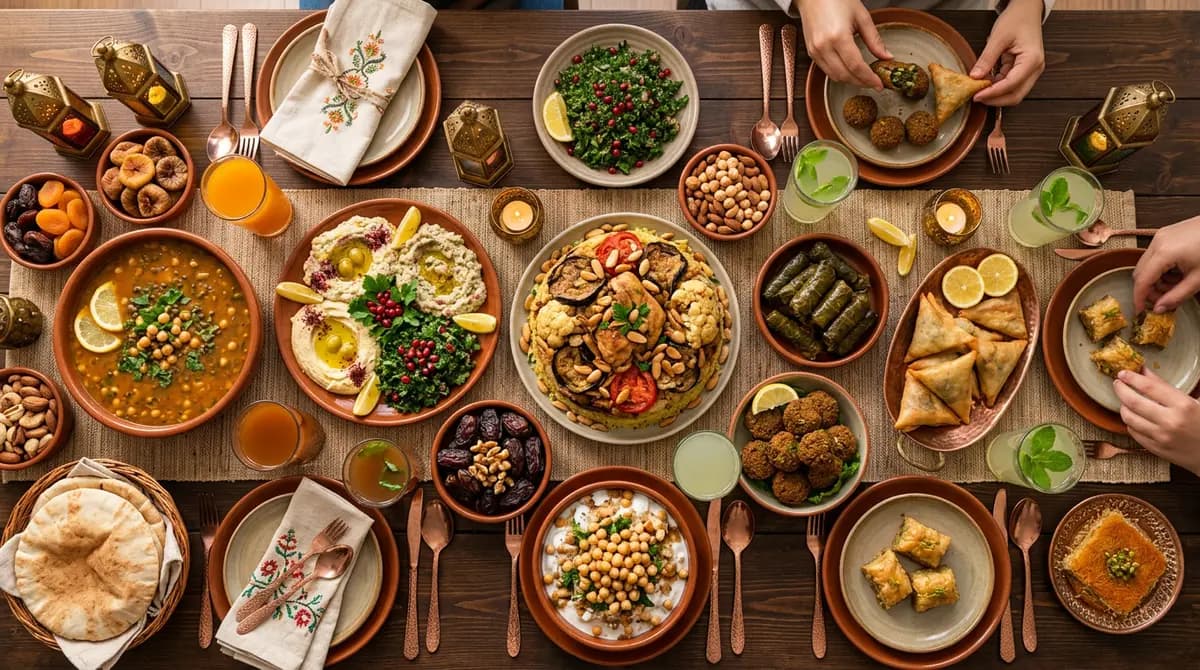
⚡ Common Struggles
- Wanting a simple way to keep track of Suhoor, Iftar, and any evening snacks or drinks.5,6,7
- Estimating portions and ingredients in mixed dishes, sweets, and sweetened beverages.2,3
- Staying mindful at gatherings where higher-calorie foods are easy to reach or where overeating can happen.5,7
- Setting calorie goals that are realistic for your routine, activity level, and long-term goals.5,6,7
🎯 Key Considerations
- Build your intake around balanced meals that provide energy and nutrients, rather than letting most calories come from foods and drinks high in added sugar, saturated fat, or salt.2,5
- Prioritize nutritious foods such as vegetables, fruits, whole grains, beans, lentils, lean protein foods, and healthy oils when planning Suhoor and Iftar.1,2,3,5
- Include fiber-rich foods because fiber can help with fullness and digestive regularity.2,3
- Make water part of the plan too, since healthy eating includes getting enough fluids.2
Why Calorie Tracking Matters During Ramadan
Ramadan can be a useful time to become more intentional about eating. Tracking your intake can help you compare what you eat and drink with your calorie goal, especially if your aim is weight maintenance or gradual weight loss. Healthy eating patterns work best when they are realistic and sustainable over time, not extreme or all-or-nothing.5,6,7
Using a tracker can also help you monitor progress and stay engaged with your plan. Tools such as apps or online trackers may help you keep track of food, physical activity, and weight, which can make it easier to notice patterns and get back on track after a setback.5,6
Tracking does not mean giving up cultural foods. A healthy eating plan can include personal preferences and cultural traditions, while still emphasizing balance, portion awareness, and variety. That makes calorie tracking during Ramadan less about strict rules and more about staying aware of your choices.2,7
Start tracking with a photo


Getting Started: Setting Up Your GAYA App for Ramadan
Start with a calorie goal that matches your current aim, such as maintaining weight or losing weight gradually. If your routine or activity level changes during Ramadan, it may make sense to revisit that goal so it stays realistic and workable.5,6,7
Keep your logging routine simple enough to repeat consistently. Tracking tools tend to be most helpful when you use them regularly and keep monitoring your habits over time.5,6
When a traditional or mixed dish is hard to log exactly, estimate it by its main ingredients and portions as closely as you can. The same goes for meals eaten out, family-style dishes, desserts, and sweetened drinks. Consistency matters more than perfect precision every single day.2,3,5,7
Mastering Macronutrients for Sustained Energy and Satiety
Meal composition matters during Ramadan. Carbohydrates, protein, fat, vitamins, minerals, and water all belong in a healthy eating plan, and your body uses carbohydrates as a main source of energy.2,3
For carbohydrate choices, it helps to choose mostly whole grains and other higher-fiber foods instead of relying mainly on refined grains and sugary foods. Whole grains such as oatmeal, brown rice, and whole-wheat bread provide nutrients and fiber, while foods high in added sugars can add many calories without much nutrition.3,5
At both Suhoor and Iftar, try to include a protein food along with vegetables, fruits, and fiber-rich carbohydrate foods. Lean meats, poultry, eggs, beans, peas, lentils, nuts, seeds, seafood, and dairy or fortified alternatives can all fit into a balanced plan. Fiber-rich foods can help with fullness and digestive regularity, which is especially helpful when meals are concentrated into fewer eating occasions.2,3,5
Healthy fats can fit too. Oils such as olive oil, along with foods like nuts, seeds, and avocado, are included in healthy eating guidance, but they still count toward calories, so portions matter.5,7
Overcoming Common Challenges: Fatigue, Cravings, and Social Gatherings
If Ramadan feels tiring, it helps to look at the basics first: sleep, meal quality, and overall routine. Healthy eating, regular physical activity, adequate sleep, and stress management all support general health and well-being.2,4
Cravings do not mean you have failed. Healthy eating does not require a very strict diet, and it does not mean you can never eat favorite foods. The goal is to avoid having less healthy foods too often or in excessive amounts, and to balance them with healthier choices.2
Social meals can also be tricky. Environments such as family events or workplace gatherings often make higher-calorie foods easy to reach, so portion awareness matters. Prioritizing vegetables, fruits, whole grains, and protein foods can help you build a more balanced plate. If you overeat once, regroup and return to your plan at the next opportunity instead of letting one meal derail the rest of the month.5,7
Advanced Strategies for Optimizing Your Ramadan Nutrition
A strong Ramadan routine is usually built on repeatable habits. Specific goals, regular monitoring, and steady support can help you stay consistent with healthy eating and activity habits over time.5,6
If your activity level changes during Ramadan, review your calorie goal so your intake still fits your routine. Keeping food and activity in balance is part of reaching and staying at a healthy weight.5,7
Physical activity still matters during Ramadan. Even small amounts of exercise can be helpful, and you can build up gradually. Walking, stretching, and other light or moderate activities can fit into many routines, especially when they are safe, enjoyable, and realistic for you.5,8
If you have a health condition or are unsure how much to eat or exercise, talk with a healthcare professional before making major changes. That is especially important for people with heart disease, high blood pressure, diabetes, balance problems, or other concerns that can affect diet or activity choices.5,6,8
💡 Pro Tips
Your Action Checklist
Set a realistic calorie goal for Ramadan that matches weight maintenance or gradual weight loss.5,6,7
essentialInclude water regularly during non-fasting hours.2
essentialAdd light activity such as walking or stretching if it fits your health and schedule.8
recommendedCommon Mistakes to Avoid
Frequently Asked Questions
Can I still lose weight effectively during Ramadan?+
How can I manage intense hunger pangs during the fasting hours?+
What about special Ramadan desserts and sweets; how do I track them?+
Should I adjust my daily calorie goal in GAYA during Ramadan?+
How do I accurately track my food if I eat out for Iftar or at a friend's house?+
References
- Dietary Guidelines for Americans, 2025-2030 — U.S. Department of Agriculture and U.S. Department of Health and Human Services
- Nutrition — MedlinePlus
- Carbohydrates — MedlinePlus
- Healthy Eating & Physical Activity for Life — National Institute of Diabetes and Digestive and Kidney Diseases
- Eating & Physical Activity to Lose or Maintain Weight — National Institute of Diabetes and Digestive and Kidney Diseases
- Choosing a Safe & Successful Weight-loss Program — National Institute of Diabetes and Digestive and Kidney Diseases
- Weight Control — MedlinePlus
- Exercise and Physical Fitness — MedlinePlus
Start tracking with a photo