
Calorie Tracking for Hiking & Trail Running
Unleash your full potential on the trails with this comprehensive guide to calorie tracking, specifically designed for hikers and trail runners. Learn how to accurately fuel your adventures, optimize recovery, and achieve your performance goals with GAYA.

⚡ Common Struggles
- Underestimating true calorie expenditure on varied terrain and elevation.
- Difficulty tracking calories accurately while on the move or with limited access to fresh food.
- Confusion about appropriate macronutrient ratios and food choices for sustained endurance.
- Struggling with 'bonking' or energy crashes due to inconsistent or inadequate fueling strategies.
🎯 Key Considerations
- Significantly higher and more variable energy expenditure compared to flat-ground activities.
- Increased electrolyte loss through sweat, necessitating specific replenishment strategies beyond just calories.
- Rapid depletion of glycogen stores, requiring constant and timely carbohydrate intake to prevent fatigue.
- The need for nutrient-dense, portable, and easily digestible foods that can withstand trail conditions.
Why Calorie Tracking is Your Ultimate Trail Partner
💡 Pro Tips
- Recognize that GPS watch calorie estimates are often just a starting point; GAYA can help refine these.
- Think of calorie tracking as a feedback loop: log, analyze, adjust for better future performance.
- Understand that under-fueling can lead to diminished performance and increased injury risk, not just weight loss.
Start tracking with a photo
GAYA makes calorie tracking effortless — snap a photo and get instant nutrition data. Perfect for hiking & trail running.
Download GAYA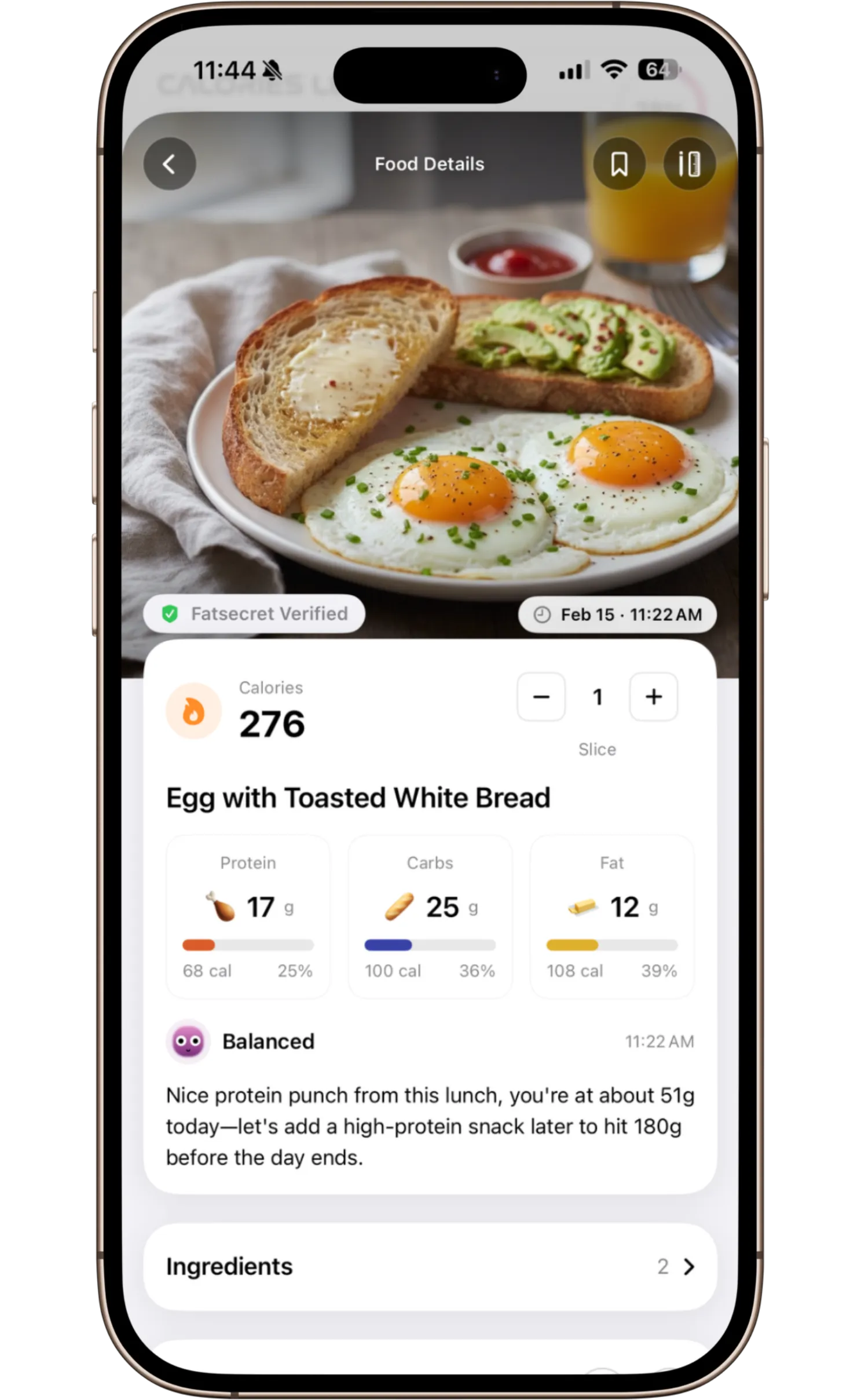
Getting Started: Your First Steps to Trail Fueling Success
💡 Pro Tips
- Before your first tracked trail session, spend a week logging your regular diet to establish a baseline.
- Utilize GAYA's activity tracking features to help estimate your calorie burn for various trail activities.
- Pre-log your planned trail snacks and hydration for your upcoming adventure to ensure you pack enough.
Mastering Macronutrients for Peak Trail Performance
💡 Pro Tips
- Prioritize complex carbohydrates like oats or quinoa in your meals 2-3 hours before a long trail excursion.
- Incorporate easily digestible simple carbohydrates (e.g., energy gels, dried fruit) every 30-60 minutes during activity.
- Ensure your post-trail meal includes a good balance of protein and carbohydrates to kickstart recovery.
Overcoming Common Trail Tracking Challenges
💡 Pro Tips
- Pre-portion homemade trail snacks into single-serving bags at home to simplify on-trail logging.
- Take photos of food labels for packaged trail snacks before you head out, making logging easier later.
- Learn to recognize the early signs of hunger and fatigue on the trail and adjust your fueling strategy proactively.
Advanced Strategies: Elevating Your Trail Nutrition Game
💡 Pro Tips
- Practice your race-day or multi-day fueling strategy during long training sessions to test digestibility.
- Consider incorporating liquid nutrition (e.g., recovery shakes, sports drinks) for rapid nutrient delivery post-activity.
- Analyze your GAYA data for patterns in energy levels and recovery to identify optimal fuel sources and timing.
Your Action Checklist
Common Mistakes to Avoid
Frequently Asked Questions
How many calories do I need for a 10-mile trail run with significant elevation?+
This can vary greatly based on your body weight, intensity, and the specific elevation gain. As a general estimate, expect to burn anywhere from 800 to 1500+ calories for a 10-mile trail run. Use GAYA to track your activity and compare it with your intake to refine your personal estimate over time.
What are the best trail snacks for sustained energy?+
Opt for a mix of simple and complex carbohydrates, with some protein and healthy fats. Good choices include energy gels, dried fruit, trail mix (nuts, seeds, dried fruit), energy bars, and even small sandwiches or tortillas with nut butter. Experiment to find what sits well with your stomach during activity.
Should I track fluids and electrolytes in addition to calories?+
Absolutely. Hydration and electrolyte balance are critical for performance and safety on the trails. While GAYA focuses on calories, it's essential to monitor your fluid intake and ensure you're consuming electrolyte-rich drinks or supplements, especially during longer efforts or in hot conditions, to prevent hyponatremia or dehydration.
How does altitude affect my calorie needs for hiking?+
At higher altitudes, your body works harder due to reduced oxygen, which can increase your resting metabolic rate and overall calorie expenditure. Additionally, appetite can sometimes be suppressed at altitude. It's crucial to proactively fuel and hydrate, often requiring a slightly higher caloric intake than at sea level.
Is calorie tracking different for trail running versus hiking?+
While the principles are similar, trail running generally involves higher intensity and thus higher calorie burn per hour compared to hiking. Trail runners often require more quick-acting carbohydrates during activity, whereas hikers might rely more on a balance of complex carbs, fats, and protein for sustained energy over longer, potentially lower-intensity periods. Both benefit from meticulous tracking.
How do I adjust my calorie intake for multi-day backpacking trips?+
Multi-day trips demand a significant increase in daily caloric intake to support sustained effort and recovery. Focus on calorie-dense, lightweight, and non-perishable foods. Plan for 3,000-5,000+ calories per day, depending on pack weight, terrain, and duration. Practicing with GAYA during shorter overnight trips can help you dial in your needs.
Start tracking with a photo
GAYA makes calorie tracking effortless — snap a photo and get instant nutrition data. Perfect for hiking & trail running.
Download GAYA