
Medical

Calorie Tracking for Perimenopause

Navigating perimenopause brings unique changes to your body and metabolism, often leading to unexpected weight shifts. This comprehensive guide empowers women experiencing perimenopause to effectively track calories, manage weight fluctuations, and optimize nutrition for better health and well-being during this transitional phase. Learn how GAYA can support your journey with personalized insights.

Calorie Tracking for Perimenopause

âš¡ Common Struggles

  • Unexplained weight gain despite no apparent changes in diet or activity.
  • Difficulty losing weight that used to be easy to shed, feeling like traditional methods no longer work.
  • Confusion about how fluctuating hormones and a slowing metabolism impact their specific calorie needs.
  • Struggling with increased cravings, mood swings, and emotional eating due to sleep disturbances and hormonal shifts.

🎯 Key Considerations

  • Metabolic slowdown due to decreasing estrogen levels and age-related muscle loss.
  • Increased propensity for visceral fat accumulation, even if overall weight remains stable.
  • Impact of fluctuating hormones on appetite regulation, satiety signals, and glucose metabolism.
  • The heightened importance of nutrient density to support bone health, mood, and energy levels within a potentially lower calorie budget.

Why Calorie Tracking Matters During Perimenopause

Perimenopause marks a significant physiological shift, primarily driven by fluctuating hormone levels like estrogen and progesterone. These hormonal changes directly influence metabolism, often leading to a natural slowdown and increased propensity for weight gain, particularly around the abdomen. Calorie tracking isn't about rigid restriction but rather about gaining awareness and control, helping you understand how your body's energy needs are evolving. It provides data-driven insights to prevent the "unexplained" weight gain many women experience, allowing for proactive adjustments to your dietary intake to match your changing metabolic rate. Understanding your caloric intake in relation to your energy expenditure becomes a powerful tool during this phase. As muscle mass naturally declines with age, and hormonal shifts can affect insulin sensitivity, your body's ability to process and utilize calories changes. By tracking, you can identify patterns, make informed decisions about portion sizes, and ensure you're nourishing your body adequately without overconsuming. This mindful approach can mitigate symptoms like hot flashes and fatigue often exacerbated by poor dietary choices, empowering you to maintain vitality and manage your weight effectively through this transition.

💡 Pro Tips

  • Recognize that your pre-perimenopause calorie needs are likely different now and require adjustment.
  • Use tracking to identify potential correlations between specific food intakes and perimenopausal symptom severity.
  • Focus on nutrient density within your calorie budget to support hormonal health and overall well-being.
  • View calorie tracking as a tool for self-awareness and empowerment, not as a form of punishment or deprivation.

Start tracking with a photo

GAYA makes calorie tracking effortless — snap a photo and get instant nutrition data. Perfect for perimenopause.

Download GAYA
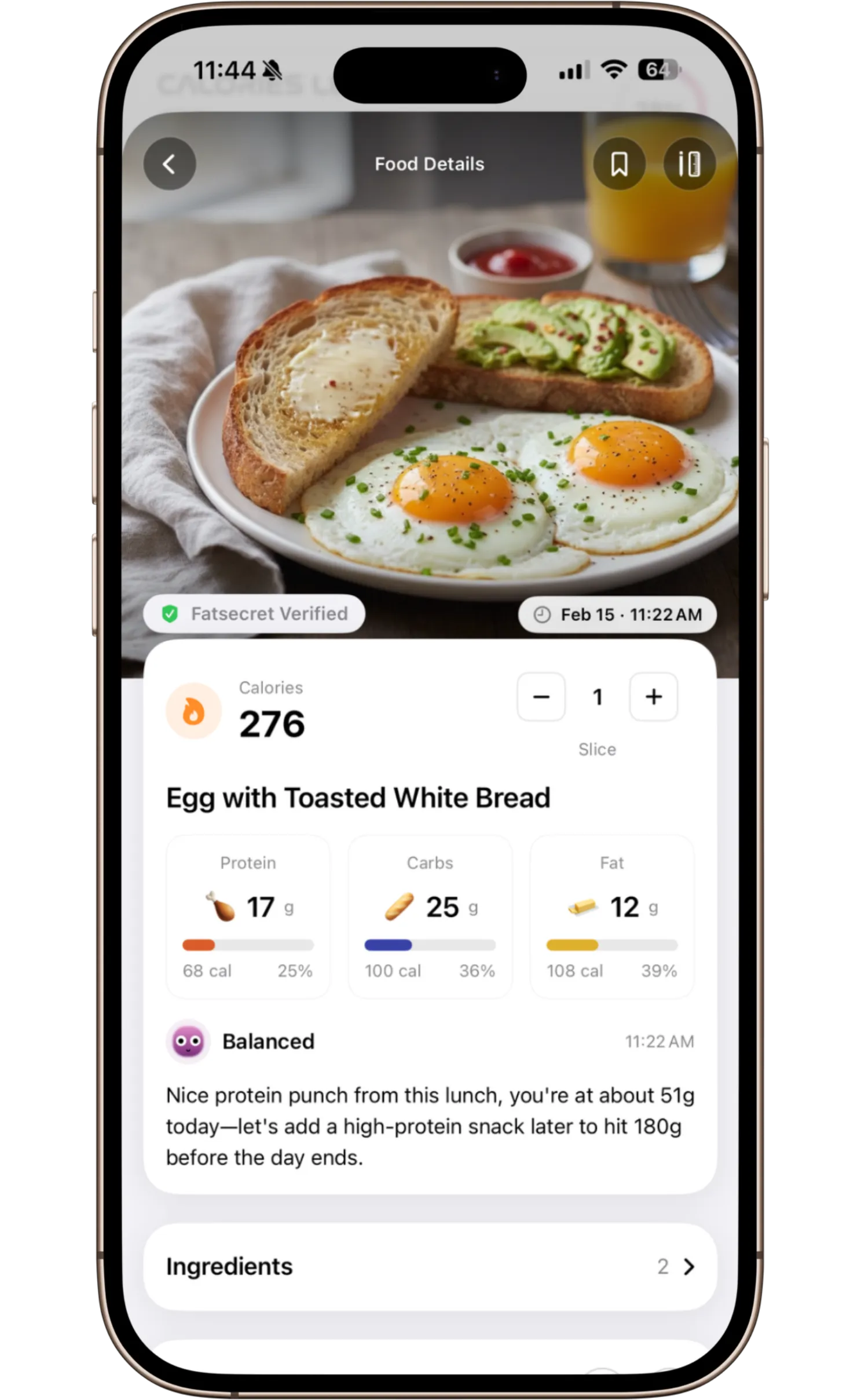
Photo food tracking with GAYA

Getting Started with Calorie Tracking on GAYA

Beginning your calorie tracking journey with GAYA during perimenopause involves a few key steps to ensure accuracy and sustainability. First, accurately estimate your current Basal Metabolic Rate (BMR) and Total Daily Energy Expenditure (TDEE), acknowledging that these may be lower than in previous decades. GAYA's AI can help personalize these initial estimates based on your age, weight, height, activity level, and perimenopausal status, but always start with a slightly conservative estimate and adjust as needed. The goal is to create a small, sustainable deficit if weight loss is desired, or to maintain at a new, appropriate level. Consistency is more important than perfection initially. To effectively track, log everything you eat and drink – yes, even that handful of nuts or splash of creamer. GAYA makes this easy with its extensive food database and AI recognition features. Focus on building a habit of logging immediately after consumption to avoid forgetting items. Pay attention to portion sizes, using measuring cups or a food scale for accuracy, especially for calorically dense foods. Remember, this data helps GAYA learn your patterns and provide increasingly accurate recommendations, ultimately guiding you toward a balanced intake that supports your unique perimenopausal needs without feeling deprived.

💡 Pro Tips

  • Start by tracking your typical intake for a week without making changes to establish a personal baseline.
  • Utilize a food scale for precise portion sizing, especially for new recipes or calorie-dense foods.
  • Don't forget to log beverages, sauces, and cooking oils – their calories can accumulate quickly.
  • Be patient with the process; it takes time for your body to adjust and for you to discern meaningful trends.

Managing Macronutrients for Perimenopausal Health

While total calories are crucial, the distribution of macronutrients—protein, carbohydrates, and fats—plays a vital role in managing perimenopausal symptoms and supporting overall health. Protein becomes increasingly important as we age, especially during perimenopause, to combat muscle loss (sarcopenia) and support satiety. Aim for a higher protein intake, distributed throughout the day, to help stabilize blood sugar, reduce cravings, and preserve lean muscle mass, which in turn helps maintain a healthy metabolism. Prioritizing lean protein sources like chicken, fish, legumes, and dairy can make a significant difference in how you feel and how your body composition changes. Carbohydrate choices also demand attention. Focus on complex carbohydrates with a high fiber content, such as whole grains, fruits, and vegetables, which provide sustained energy and help regulate digestion and blood sugar levels. Limit refined sugars and processed carbs, as these can contribute to blood sugar spikes and crashes, exacerbating mood swings and energy dips common during perimenopause. Healthy fats, particularly omega-3s found in fatty fish, flaxseeds, and walnuts, are essential for hormone production, reducing inflammation, and supporting brain health. Incorporating monounsaturated fats from avocados and olive oil can also contribute to satiety and nutrient absorption. GAYA can help you monitor your macro ratios to ensure a balanced intake tailored to your specific goals.

💡 Pro Tips

  • Prioritize lean protein at every meal to support muscle mass preservation and enhance satiety.
  • Opt for complex, fiber-rich carbohydrates over simple sugars to stabilize blood glucose and energy levels.
  • Incorporate healthy fats, especially omega-3s, for hormone balance, inflammation reduction, and brain health.
  • Use GAYA's macro tracking feature to find your ideal perimenopausal balance, adapting as your body changes.

Overcoming Common Challenges in Perimenopause Tracking

Calorie tracking during perimenopause comes with its unique set of hurdles, from unpredictable appetite due to hormonal fluctuations to fatigue that makes meal prep daunting. One common challenge is the perceived "failure" when weight doesn't drop as expected, despite diligent tracking. It's crucial to remember that hormonal shifts can cause temporary water retention and metabolic slowdowns, so focus on consistency and overall health improvements rather than solely the number on the scale. GAYA's trend analysis can help you see progress beyond daily fluctuations, emphasizing long-term patterns and adherence. Be kind to yourself and recognize that your body is undergoing significant changes, requiring patience and adaptability. Another hurdle is managing increased cravings, especially for comfort foods high in sugar and unhealthy fats, often triggered by stress, poor sleep, or emotional changes associated with perimenopause. Instead of outright denial, which can lead to binge eating, try incorporating small, mindful indulgences within your calorie budget or finding healthier alternatives. For example, a square of dark chocolate instead of a candy bar. Additionally, fatigue can make cooking and planning feel overwhelming. Lean on GAYA for quick, healthy meal ideas, and consider simple meal prep strategies like batch cooking protein or chopping vegetables ahead of time to minimize daily effort. Remember, consistency in tracking, even on challenging days, provides valuable data for future adjustments.

💡 Pro Tips

  • Don't get discouraged by daily scale fluctuations; focus on weekly averages and non-scale victories like improved energy.
  • Proactively plan for cravings by having healthy, satisfying snacks readily available and identifying emotional triggers.
  • Prioritize sleep and stress management techniques to reduce their impact on appetite and hormonal regulation.
  • Utilize GAYA's features for meal planning and quick, perimenopause-friendly recipe ideas on busy or low-energy days.

Advanced Tips for Sustained Success

Once you've established a consistent tracking routine, consider integrating more advanced strategies to optimize your perimenopausal health. Beyond just calories, pay attention to micronutrient intake. Hormonal changes can impact the absorption and utilization of essential vitamins and minerals like calcium, vitamin D, magnesium, and B vitamins, all crucial for bone health, mood regulation, and energy. GAYA can help you identify potential gaps in your diet, prompting you to incorporate nutrient-dense foods or discuss targeted supplementation with your healthcare provider. This holistic approach ensures you're not just meeting caloric needs but also nourishing your body at a cellular level. Furthermore, integrating strength training into your routine is paramount during perimenopause. While calorie tracking helps manage energy balance, resistance exercises are key to preserving and building muscle mass, which directly counteracts metabolic slowdown and improves body composition. Combine your diligent tracking with regular physical activity, and use GAYA to log your exercise and adjust your calorie targets accordingly. Listen to your body, understand that your energy levels may fluctuate, and adjust your activity and intake day-to-day. Remember to consult with a healthcare professional or registered dietitian for personalized advice, especially if you have specific medical conditions or are considering significant dietary changes. This comprehensive strategy, supported by GAYA, will empower you to navigate perimenopause with strength, vitality, and confidence.

💡 Pro Tips

  • Focus on nutrient timing, especially consuming protein around workouts, for optimal muscle support and recovery.
  • Integrate progressive strength training into your weekly routine to boost metabolism and preserve bone density.
  • Monitor your micronutrient intake for vitamins and minerals crucial for perimenopausal bone health, mood, and energy.
  • Regularly review your data with GAYA's insights to identify patterns and make informed, adaptive adjustments to your plan.

Your Action Checklist

Set up your GAYA profile with accurate and up-to-date perimenopausal details and activity levels.
essential
Consistently track all food and beverage intake for at least one week to establish a realistic baseline.
essential
Prioritize lean protein and fiber-rich, complex carbohydrates at every meal to support satiety and stable blood sugar.
essential
Incorporate regular strength training (2-3 times per week) into your physical activity routine.
recommended
Ensure adequate hydration throughout the day with water and unsweetened beverages.
recommended
Experiment with different macronutrient ratios within your calorie goals to find what best supports your energy and satiety.
recommended
Consider using a food scale for a few weeks to improve accuracy in portion control, especially for new foods.
optional
Log your mood and perimenopausal symptoms alongside food intake to identify potential dietary correlations.
optional

Common Mistakes to Avoid

✗Underestimating calorie intake from 'healthy' fats (e.g., nuts, avocados) or liquid calories (e.g., lattes, alcohol).
✗Ignoring the significant impact of stress, poor sleep, and hormonal fluctuations on appetite and metabolic rate.
✗Setting calorie targets too aggressively low, leading to nutrient deficiencies, intense cravings, and potential metabolic adaptation.
✗Focusing solely on the number on the scale without considering positive body composition changes from strength training.
✗Failing to adjust calorie needs as perimenopausal symptoms, activity levels, and metabolic rate continue to evolve.

Frequently Asked Questions

Why am I gaining weight during perimenopause even though I haven't changed my diet?+

Hormonal fluctuations, primarily declining estrogen, lead to a natural metabolic slowdown and a shift in fat storage towards the abdomen. Additionally, age-related muscle loss further reduces your resting metabolic rate. Calorie tracking helps you identify if your current intake now exceeds your adjusted energy needs for this new phase.

How do hormones specifically affect my calorie needs during perimenopause?+

Estrogen influences insulin sensitivity and fat metabolism. As estrogen levels fluctuate and decline, your body may become less efficient at using glucose for energy, leading to increased fat storage. Progesterone also impacts appetite and fluid retention. Tracking helps you adapt your intake to these internal shifts, rather than relying on outdated estimates.

Should I cut out certain foods or food groups during perimenopause to manage my weight?+

While no food group needs to be entirely eliminated, it's generally beneficial to reduce highly processed foods, refined sugars, and excessive saturated fats. Focus on nutrient-dense whole foods that support hormone balance, bone health, and stable blood sugar, rather than drastic restriction, which can lead to nutrient deficiencies and rebound eating.

Is intermittent fasting safe or effective for perimenopause weight management?+

Intermittent fasting can be effective for some, but perimenopausal women may be more sensitive to stress responses, and extreme fasting could potentially disrupt delicate hormone balance, exacerbating symptoms. It's crucial to consult a healthcare provider or registered dietitian before trying it and ensure adequate nutrient intake during eating windows.

How can I manage cravings and emotional eating during perimenopause with calorie tracking?+

Calorie tracking helps you become aware of patterns between your food intake, mood, and cravings. Ensure you're eating enough protein and fiber to promote satiety, and identify emotional triggers. Instead of outright resistance, plan for small, mindful indulgences within your calorie budget, or find non-food coping mechanisms for stress and emotional fluctuations.

My weight fluctuates wildly during perimenopause. How can I get an accurate picture with calorie tracking?+

Daily weight fluctuations are very common due to hormonal changes, fluid retention, and digestion, especially during perimenopause. Focus on weekly averages and long-term trends rather than daily numbers. Consistent tracking combined with GAYA's analytics will reveal underlying patterns and true progress over time, giving you a more reliable picture.

Start tracking with a photo

GAYA makes calorie tracking effortless — snap a photo and get instant nutrition data. Perfect for perimenopause.

Download GAYA
Photo food tracking with GAYA

Related Guides