
Fitness

Calorie Tracking for Skiing & Snowboarding

Unlock peak performance and endurance on the slopes with this comprehensive guide to calorie tracking tailored specifically for skiers and snowboarders. Learn how GAYA can help you fuel your adventures, prevent fatigue, and optimize recovery, whether you're carving fresh powder or hitting the terrain park.
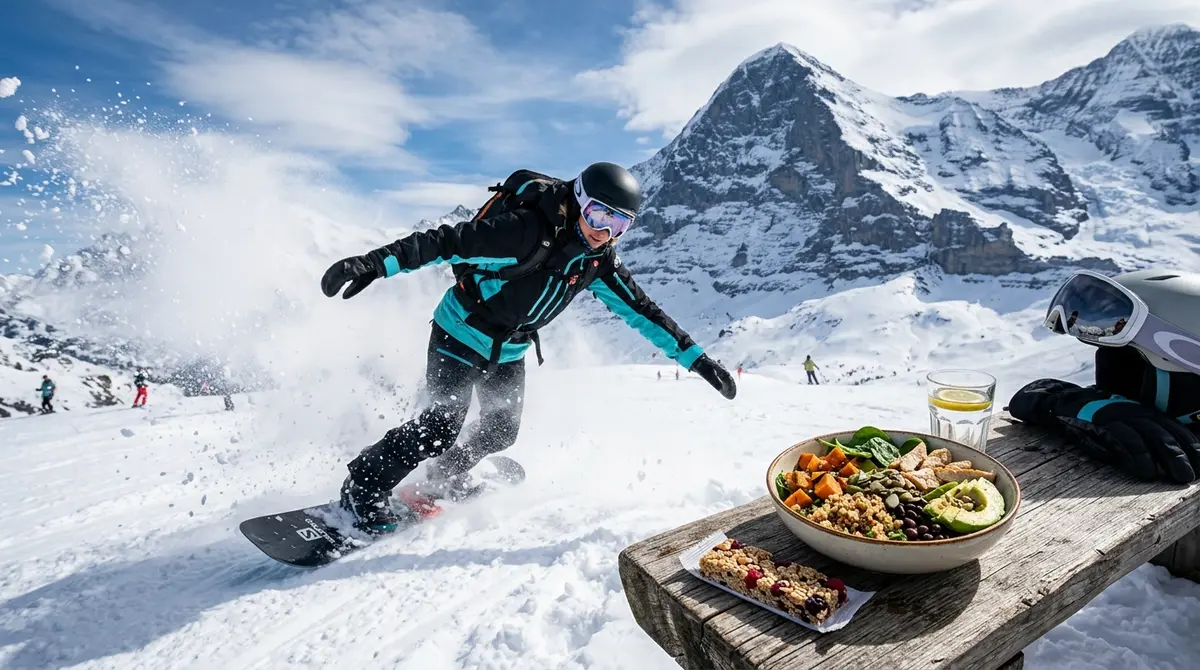
Calorie Tracking for Skiing & Snowboarding

⚑ Common Struggles

  • Accurately estimating calorie expenditure during varied and intense mountain activity.
  • Finding healthy, macro-balanced food options in ski resort lodges and on the go.
  • Maintaining consistent hydration and electrolyte balance in cold, high-altitude environments.
  • Balancing energy intake for multi-day trips without under-fueling or over-consuming.

🎯 Key Considerations

  • Increased metabolic rate due to cold exposure and high altitude.
  • Highly variable energy expenditure based on terrain, snow conditions, and personal intensity.
  • Critical need for sustained energy to prevent 'hitting the wall' mid-day.
  • Enhanced protein requirements for muscle repair and recovery from physical demands and potential impacts.

Why Calorie Tracking is Your Secret Weapon on the Slopes

Skiing and snowboarding are demanding full-body workouts, often lasting for several hours in challenging conditions. Without proper fueling, your performance, safety, and enjoyment can quickly diminish. Calorie tracking isn't about restriction; it's about empowerment, ensuring you have the precise energy reserves needed to conquer every run, maintain focus, and recover efficiently for the next day's adventures. Understanding your caloric needs helps prevent the infamous 'bonk,' reduces injury risk by maintaining muscle strength and coordination, and supports overall well-being at altitude. By diligently tracking your intake with an app like GAYA, you gain invaluable insight into how different foods impact your energy levels and recovery. This knowledge allows you to fine-tune your nutrition strategy, moving beyond guesswork to an evidence-based approach. Whether your goal is to build endurance, improve strength, or simply have more energy for those last few runs, precise fueling through calorie tracking is the foundation upon which all other performance gains are built. It's about optimizing your body's engine for the unique demands of mountain sports.

πŸ’‘ Pro Tips

  • Connect your fitness tracker to GAYA to get a more accurate estimate of calories burned during your ski day.
  • Reflect on your energy levels at the end of a ski day; feeling sluggish often indicates under-fueling.
  • Use GAYA's logging feature to identify which pre-ski meals provide the most sustained energy for you.

Start tracking with a photo

GAYA makes calorie tracking effortless β€” snap a photo and get instant nutrition data. Perfect for skiing & snowboarding.

Download GAYA

Photo food tracking with GAYA

Getting Started: Estimating Your Mountain Fuel Needs

Your baseline caloric needs for skiing and snowboarding will be significantly higher than your rest day requirements. Begin by calculating your Basal Metabolic Rate (BMR) and then apply an activity factor that accounts for the intensity and duration of your time on the mountain. Remember that cold weather and higher altitudes both independently increase your metabolic rate, meaning your body expends more energy just to stay warm and function optimally. A typical day on the slopes can easily burn anywhere from 2,500 to 4,500+ calories, depending on your weight, intensity, and conditions. To effectively track, start by pre-logging your planned breakfast and any packed snacks in GAYA before you even leave for the mountain. For resort meals, use GAYA's database to find similar items and log them as accurately as possible. Don't strive for perfection immediately; consistency is key. Over time, you'll develop a better intuition for your body's demands and how different foods contribute to your overall energy balance. It's also wise to consult with a healthcare provider or registered dietitian, especially if you have pre-existing medical conditions, to ensure your nutritional plan is safe and appropriate for your individual needs.

πŸ’‘ Pro Tips

  • Calculate your estimated BMR and add 1,000-2,000+ calories for an active ski day as a starting point.
  • Utilize GAYA's meal planning features to pre-log your breakfast and packed snacks the night before.
  • Take photos of resort menu items to help you accurately log them later in GAYA.

Macro Management for Peak Performance and Recovery

For skiers and snowboarders, a balanced macronutrient distribution is crucial. Carbohydrates are your primary fuel source, providing the sustained energy needed for prolonged activity. Focus on complex carbohydrates like whole grains, oats, fruits, and starchy vegetables, which release glucose slowly into your bloodstream, preventing energy crashes. Aim for approximately 50-60% of your total daily calories from carbohydrates, ensuring you're adequately glycogen-loaded for your mountain excursions. Protein is vital for muscle repair, recovery, and preventing muscle breakdown, especially after a day of intense carving or unexpected falls. Lean protein sources such as chicken, fish, eggs, Greek yogurt, and legumes should make up around 20-30% of your intake. Healthy fats, contributing 20-30% of your calories, are important for satiety, hormone production, and providing a dense energy source, particularly useful for slower-burning fuel during long, cold days. Incorporate sources like avocados, nuts, seeds, and olive oil. Track these ratios in GAYA to ensure you're hitting your targets.

πŸ’‘ Pro Tips

  • Prioritize complex carbs like oatmeal or whole-wheat toast for breakfast to fuel your morning runs.
  • Pack protein-rich snacks like jerky, nuts, or a protein bar for mid-day muscle support.
  • Ensure your post-ski meal includes a good mix of protein and carbohydrates for optimal recovery.

Overcoming Common Mountain Fueling Challenges

Eating healthily at ski resorts can be a challenge, with many options being high in calories, sugar, and unhealthy fats. To navigate this, plan ahead. Pack your own nutrient-dense snacks like trail mix, fruit, and sandwiches to supplement or replace resort fare. When you do eat at the lodge, look for healthier options like chili, salads with lean protein, or grilled chicken sandwiches (hold the fries). Hydration is another critical factor often overlooked in cold weather; the dry air and increased respiration at altitude can lead to rapid dehydration. Drink water consistently throughout the day, not just when you feel thirsty. Multi-day trips require even more diligent planning. Your energy needs might remain high, but access to fresh, healthy foods could be limited. Consider bringing a small cooler with essentials, and research grocery stores near your accommodation. Don't forget the importance of electrolytes; sweating, even in cold weather, depletes essential minerals. Incorporate electrolyte-rich drinks or snacks to prevent cramps and fatigue. GAYA can help you track your water intake and remind you to stay hydrated.

πŸ’‘ Pro Tips

  • Always pack a water bottle and aim for frequent sips throughout the day, even if you don't feel thirsty.
  • Scan resort menus online beforehand to identify the healthiest options available.
  • Consider an electrolyte tablet in your water bottle, especially on long or intense ski days.

Advanced Fueling Strategies for Elite Mountain Performance

For those looking to push their limits, advanced fueling involves periodization and nutrient timing. Periodization means adjusting your calorie and macro intake based on your training cycle – higher calories and carbs during peak season, slightly less during off-season or recovery periods. Nutrient timing focuses on consuming specific macros at strategic times, such as a carb-rich snack 30-60 minutes before hitting the slopes for immediate energy, and a protein-carb shake within 30 minutes post-ski for rapid recovery and glycogen replenishment. Experiment with these strategies and track their impact on your performance in GAYA. Consider incorporating performance-enhancing supplements under professional guidance, such as creatine for power, beta-alanine for endurance, or targeted amino acids for recovery. However, remember that supplements complement, rather than replace, a solid foundational nutrition plan. Consistent sleep and active recovery days are also paramount. Listen to your body, adjust your fuel intake based on how you feel, and continuously refine your approach. For any significant dietary changes or supplement use, always consult with a sports nutritionist or healthcare professional to ensure it aligns with your health and performance goals.

πŸ’‘ Pro Tips

  • Experiment with a small, easily digestible carb snack (e.g., banana, energy gel) 30 minutes before your first run.
  • Utilize GAYA to track your sleep alongside your nutrition to see correlations with energy levels.
  • Consult a sports dietitian for personalized advice on advanced nutrient timing and supplementation.

Your Action Checklist

Calculate your estimated daily calorie needs for an active ski/snowboard day.
essential
Pre-log your breakfast and packed snacks in GAYA before heading to the mountain.
essential
Pack a reusable water bottle and sip frequently throughout your ski day.
essential
Plan resort meal choices in advance by checking menus online or choosing healthier options.
recommended
Carry electrolyte tablets or powder for long days to replenish minerals lost through sweat.
recommended
Ensure your post-ski meal includes a balanced combination of complex carbs and lean protein.
recommended
Track your sleep patterns in GAYA to observe how rest impacts your energy levels on the slopes.
optional
Experiment with nutrient timing, like a small carb snack before your first run, and track its effect.
optional

Common Mistakes to Avoid

βœ—Underestimating the significant calorie expenditure during a full day of skiing or snowboarding.
βœ—Neglecting consistent hydration and electrolyte intake in cold, dry mountain air.
βœ—Relying heavily on sugary, processed snacks and drinks for quick energy, leading to crashes.
βœ—Skipping breakfast or eating an inadequate meal before hitting the slopes, resulting in early fatigue.
βœ—Not prioritizing protein and carbohydrates for post-ski recovery, hindering muscle repair and energy replenishment.

Frequently Asked Questions

How many calories do skiers and snowboarders typically burn?+

The calorie burn is highly variable, but a recreational skier/snowboarder can expect to burn anywhere from 300-600 calories per hour, depending on intensity, weight, and conditions. An average full day on the mountain could easily lead to a total expenditure of 2,500 to 4,500+ calories.

What's the best breakfast to eat before a day on the slopes?+

Opt for complex carbohydrates combined with some protein and healthy fats. Examples include oatmeal with fruit and nuts, whole-wheat toast with avocado and eggs, or Greek yogurt with granola. This provides sustained energy without a sugar crash.

How can I stay hydrated when I don't feel thirsty in the cold?+

The cold can suppress your thirst response, but you're still losing fluids. Set reminders on your phone or use GAYA's water tracking feature to sip water or an electrolyte drink every 15-20 minutes. Avoid excessive caffeine and alcohol, as they can contribute to dehydration.

Are energy bars and gels good for skiing/snowboarding?+

Yes, energy bars and gels can be excellent for quick, portable fuel on the slopes, especially during intense periods or when you can't stop for a meal. Look for options with a good balance of carbohydrates and some protein, and avoid those extremely high in simple sugars for sustained energy.

What should I eat for lunch at a ski lodge?+

Look for options like hearty chili (with beans for fiber and protein), grilled chicken sandwiches on whole wheat (with extra veggies), or a large salad with lean protein. Try to avoid fried foods and excessively creamy sauces which can lead to sluggishness.

How does altitude affect my calorie needs?+

At higher altitudes, your body works harder to process oxygen, increasing your resting metabolic rate. This means you'll naturally burn more calories, even at rest. Additionally, altitude can suppress appetite, making it even more important to consciously fuel yourself adequately.

Start tracking with a photo

GAYA makes calorie tracking effortless β€” snap a photo and get instant nutrition data. Perfect for skiing & snowboarding.

Download GAYA
Photo food tracking with GAYA

Related Guides