
Calorie Tracking for Chronic Fatigue Syndrome
This guide offers a compassionate, practical way to think about calorie or food tracking with Myalgic Encephalomyelitis/Chronic Fatigue Syndrome (ME/CFS). The main goal is to keep any tracking routine light, flexible, and secondary to pacing, symptom prevention, and clinician-guided care.
GAYA Editorial TeamReferences
⚡ Common Struggles
- Brain fog, memory problems, and trouble concentrating can make detailed logging hard.2,8
- Even minor physical or mental effort can worsen symptoms and trigger post-exertional malaise (PEM).1,2,3,8
- Symptoms and functional limits can change over time, so a routine that works one day may be too much the next.2,6
- Some people with ME/CFS also report food sensitivities or digestive issues, which can make food tracking feel more complicated.2,6
🎯 Key Considerations
- Keep any tracking routine within your personal energy envelope; pacing aims to balance activity and rest to avoid PEM flare-ups.3,8
- Because ME/CFS can involve trouble thinking, unrefreshing sleep, pain, and dizziness when upright, simple tracking is often more realistic than detailed tracking.1,2,3
- Symptoms can fluctuate during the day and from day to day, so your tracking routine may need to be flexible.2,6
- If you notice suspected food sensitivities or digestive symptoms, bring those notes to a healthcare professional rather than trying to push through symptoms on your own.2,3,7
Why Calorie Tracking Needs a Gentle Approach for CFS
ME/CFS is a serious, long-lasting illness that can make both physical and mental exertion difficult, and symptoms may worsen after activity in a pattern known as post-exertional malaise.1,2,5 That is why any self-monitoring task—including calorie tracking—should stay secondary to symptom prevention. Current guidance emphasizes individualized management, pacing, and avoiding “push-and-crash” cycles.3,5,8
A simple diary can still be useful when it helps you remember details, notice patterns, and explain your day-to-day experience more clearly during medical visits.3,4,8 Some people with ME/CFS also report food sensitivities, so brief notes about foods you suspect are linked with symptoms may be worth discussing with your clinician.2,7
💡 Pro Tips
- Use tracking only to the extent that it fits within your limits and does not provoke PEM.3,8
- Brief notes can be more practical than detailed logs when brain fog is prominent.2,8
- Bring your notes to appointments if they help you describe patterns or daily limits more clearly.3,4
- If a food seems to worsen symptoms, note it and discuss it with your healthcare professional.2,7
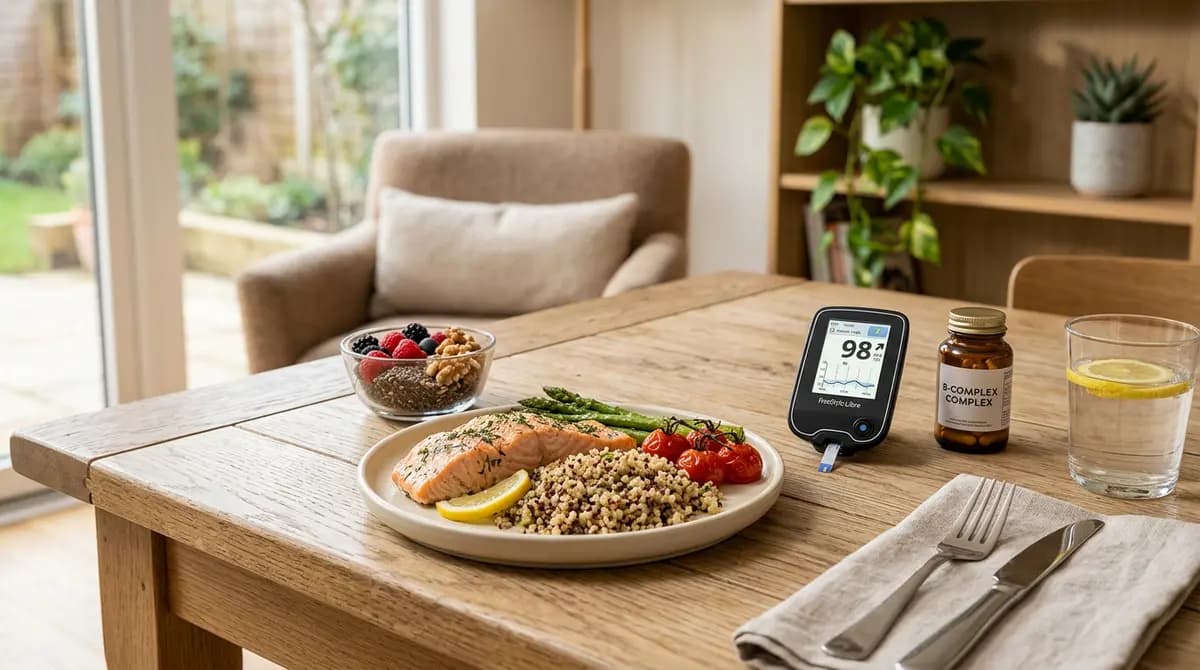
Start tracking with a photo


Getting Started with Calorie Tracking, CFS-Style
The safest starting point is to treat tracking like any other activity: keep it within your limits, build in rest, and avoid doing extra on a better day just to “catch up.” People with ME/CFS can worsen when they push beyond what they can tolerate, and even mental exertion can contribute to symptom flare-ups.2,3,8
Before making major diet changes, supplements, or other new management steps, talk with your healthcare professional about possible benefits and harms.3,7 If you decide to track, keep the process as simple as possible and focus on the information most useful to you and your care team.3,5
💡 Pro Tips
- Use the same pacing principles for tracking that you use for chores, appointments, or other daily tasks.3,8
- Plan rest around mentally demanding tasks, because cognitive effort can also worsen symptoms.2,8
- On days when symptoms rise, scale the task back instead of forcing yourself to finish a full log.3,8
- Review any major diet, supplement, or therapy changes with your healthcare professional first.3,7
Looking Beyond the Number
ME/CFS goes far beyond feeling tired. Core features include a major drop in pre-illness activity levels, fatigue not improved by rest, post-exertional malaise, and unrefreshing sleep; cognitive impairment or orthostatic intolerance must also be present for diagnosis.2,5,6 Many people also deal with pain, dizziness, trouble concentrating, and symptoms that change over time.1,2,6
If you are tracking calories, the number alone may not tell the full story. Notes about sleep, thinking problems, pain, dizziness when upright, daily activity, and suspected food sensitivities can give better context when you talk with a clinician.2,3,4,8 The clinical overview also notes that some people with ME/CFS may not efficiently produce or use energy from usual fuel sources, which helps explain why the illness can feel so physically limiting.6
💡 Pro Tips
- Keep symptom context with your food notes when that is more useful than pursuing perfect detail.2,3,8
- Pay attention to patterns in sleep, thinking, dizziness, pain, and activity tolerance.1,2,6
- Use organizers, calendars, or phone reminders if memory problems make tracking harder.3,8
- Discuss persistent food sensitivities, digestive issues, or troubling symptoms with your healthcare professional.2,3,7
Overcoming Common Calorie Tracking Challenges with CFS
One of the biggest barriers to tracking with ME/CFS is that brain fog can affect memory, attention, and clear thinking.2,7,8 Daily tasks such as showering, cooking, or errands may already be enough to trigger a crash for some people, so adding a detailed logging routine can be too much if it is not paced carefully.1,2,3,8
Practical supports can help. Organizers, calendars, notebooks, smartphones, and reminders are all tools mentioned for managing memory problems.3,8 If tracking starts to feel like mental overexertion, simplify the task, shorten it, or pause the extra detail and return to the essentials later. Preventing symptom worsening matters more than completing a perfect record.3,5,8
💡 Pro Tips
- Use reminders, notes, or templates to reduce the memory load.3,8
- Avoid “catch-up” logging on a good day if it pushes you beyond your limits.3,8
- Let rest and symptom prevention guide how much detail you record.3,5,8
- If standing in the kitchen or preparing food worsens symptoms, note that pattern for your care team.6,8
Advanced Tips for Optimized Calorie Tracking with CFS
Once a basic routine feels manageable, the most useful next step is often pattern-tracking rather than more detail. Activity and symptom diaries can help people with ME/CFS identify personal limits, remember important details, and see what tends to precede worse symptoms.3,4,8 This can be especially helpful because symptoms may fluctuate during the day, from day to day, and across the illness.2,6
Bring those patterns into conversation with your healthcare professional so management can stay individualized and focused on the symptoms that disrupt your life most.3,5,8 If you also have dizziness or lightheadedness when upright, clinicians may evaluate orthostatic intolerance and, in some cases, suggest measures such as increasing fluid and salt intake when appropriate.3,8
💡 Pro Tips
- Look for repeated patterns, not just single-day changes.3,8
- Keep track of when PEM follows physical or mental exertion.2,3,8
- Share your notes with your healthcare professional when deciding what to address first.3,5
- If upright posture triggers dizziness or palpitations, ask about orthostatic intolerance.2,3,8
Your Action Checklist
Common Mistakes to Avoid
Frequently Asked Questions
Is calorie tracking even safe for someone with CFS, given the energy demands?+
How do I account for my wildly fluctuating energy levels when determining calorie needs?+
What if tracking just feels like too much effort on a bad day?+
Are there specific foods I should prioritize or avoid with CFS?+
Can calorie tracking help me identify food sensitivities related to my CFS?+
Should I aim for weight loss or gain with CFS, and how does tracking help?+
References
- ME/CFS Basics — Centers for Disease Control and Prevention
- Symptoms of Myalgic Encephalomyelitis/Chronic Fatigue Syndrome — Centers for Disease Control and Prevention
- Manage Myalgic Encephalomyelitis/Chronic Fatigue Syndrome — Centers for Disease Control and Prevention
- Diagnosing ME/CFS — Centers for Disease Control and Prevention
- Fast Facts: ME/CFS — Centers for Disease Control and Prevention
- Clinical Overview of ME/CFS — Centers for Disease Control and Prevention
- Living with ME/CFS — Centers for Disease Control and Prevention
- Strategies to Prevent Worsening of Symptoms — Centers for Disease Control and Prevention
Start tracking with a photo