
Medical

Calorie Tracking for GLP-1 & Ozempic Users

Navigating weight loss with GLP-1 agonists like Ozempic brings unique challenges and opportunities. This comprehensive guide empowers users to optimize their journey through precise calorie and nutrient tracking, ensuring sustainable health and successful outcomes while on medication.
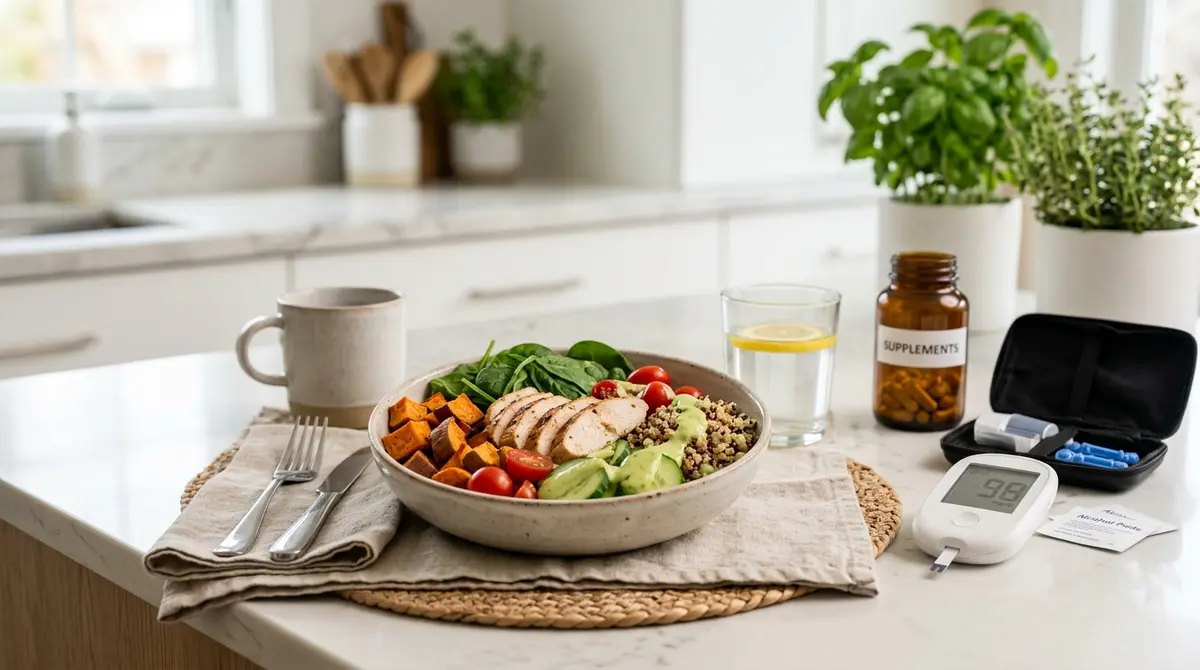
Calorie Tracking for GLP-1 & Ozempic Users

⚑ Common Struggles

  • Difficulty consuming enough calories or protein due to suppressed appetite and early satiety.
  • Managing potential side effects like nausea, vomiting, or constipation which impact food choices.
  • Ensuring adequate nutrient intake to prevent muscle loss despite significant weight reduction.
  • Feeling confused about how to adjust traditional calorie tracking advice to their unique physiological responses.

🎯 Key Considerations

  • Significantly reduced hunger and increased satiety due to GLP-1's impact on gastric emptying and brain signals.
  • Higher protein needs to preserve lean muscle mass during rapid weight loss facilitated by the medication.
  • Importance of nutrient-dense foods to compensate for smaller meal volumes and potential calorie deficits.
  • Potential for blood sugar fluctuations or hypoglycemia if calorie intake is too low, especially for those with diabetes.

Why Calorie Tracking Matters for GLP-1 & Ozempic Users

GLP-1 receptor agonists like Ozempic work powerfully by slowing gastric emptying, increasing satiety, and influencing brain signals that control appetite, leading to significant weight loss. While this is beneficial, it also presents a unique challenge: ensuring adequate nutrient intake, especially protein, to prevent muscle loss. Without diligent tracking, it's easy to under-eat crucial macronutrients, compromising your body composition and overall health. Calorie tracking provides invaluable data, allowing you to optimize your food choices for both weight loss and nutritional adequacy. It helps you differentiate between medication-induced satiety and your actual physiological needs, ensuring you're not inadvertently creating deficits that could lead to fatigue, nutrient deficiencies, or disproportionate muscle loss. By understanding your intake, you empower yourself to make strategic decisions that support sustainable health outcomes, working in synergy with your medication. Always consult with your healthcare provider or a registered dietitian to establish personalized calorie and macronutrient targets.

πŸ’‘ Pro Tips

  • Use tracking to ensure you're meeting minimum calorie and protein targets, even with reduced appetite.
  • Prioritize protein intake to prevent muscle catabolism and preserve lean body mass.
  • Monitor your energy levels and adjust intake based on tracking data to avoid undue fatigue.
  • Identify patterns between specific food intake, medication side effects, and your overall well-being.

Start tracking with a photo

GAYA makes calorie tracking effortless β€” snap a photo and get instant nutrition data. Perfect for glp-1 & ozempic users.

Download GAYA
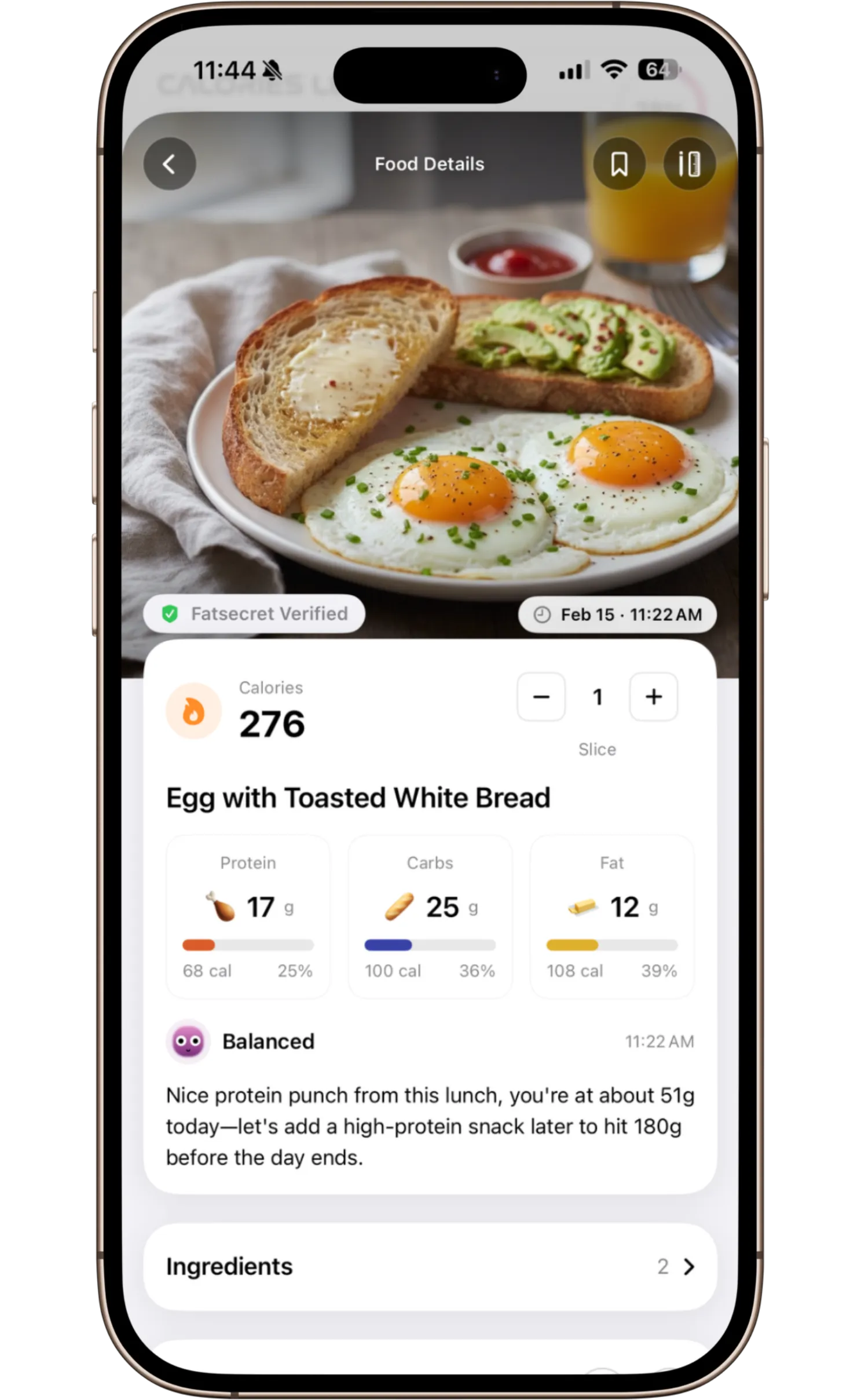
Photo food tracking with GAYA

Getting Started with Calorie Tracking on GLP-1/Ozempic

Starting calorie tracking can feel overwhelming, especially when your hunger cues are dramatically altered by GLP-1 medications. The key is to begin with a gentle, observational approach. Instead of immediately setting strict targets, spend a few days passively tracking everything you eat and drink without judgment. This baseline will provide a realistic snapshot of your current intake, revealing patterns and potential areas for improvement that you might not notice otherwise. Utilize a user-friendly app like GAYA, which offers a comprehensive food database and intuitive logging features. Focus on consistency over perfection; accurately logging your meals, even small snacks or sips, provides the most valuable data. This initial period is about understanding your unique response to the medication and how it impacts your eating habits, allowing you to gradually make informed adjustments rather than drastic, unsustainable changes. Remember, this is a tool to support your health journey, not to create additional stress.

πŸ’‘ Pro Tips

  • Start by tracking for 3-5 days without judgment to establish a realistic baseline of your current intake.
  • Focus on logging accurately and consistently; even small additions contribute to your overall picture.
  • Utilize GAYA's extensive food database and barcode scanner for easy and precise food entry.
  • Don't aim for immediate perfection; consistency in logging is far more important than hitting exact numbers initially.

Mastering Macronutrients & Micronutrients on GLP-1/Ozempic

For individuals on GLP-1 medications, mastering macronutrient intake, particularly protein, is paramount. While these medications effectively promote weight loss, a significant portion of that loss can be lean muscle mass if protein intake is insufficient. Aim for a higher protein target, typically 1.0-1.2 grams per kilogram of your target body weight, distributed evenly throughout the day. This strategy helps to preserve muscle, which is crucial for maintaining metabolism and strength. Beyond protein, fiber plays a vital role in digestive health, helping to combat common side effects like constipation, while also contributing to satiety. Incorporate a variety of fiber-rich foods such as vegetables, fruits, and whole grains. Healthy fats from sources like avocados, nuts, and olive oil are essential for hormone production, nutrient absorption, and sustained fullness without adding excessive volume. Since your meal sizes may be smaller, prioritize nutrient-dense foods to ensure you're getting adequate vitamins and minerals, and discuss with your healthcare provider if a multivitamin supplement is appropriate.

πŸ’‘ Pro Tips

  • Aim for at least 25-30 grams of high-quality protein at each main meal to support muscle synthesis.
  • Incorporate a variety of fiber-rich foods like leafy greens, berries, and legumes to promote digestive regularity.
  • Choose healthy fats from sources such as avocados, nuts, seeds, and olive oil for satiety and essential fatty acids.
  • Prioritize micronutrient-dense foods like colorful vegetables and fruits to ensure adequate vitamin and mineral intake from smaller portions.

Overcoming Common Challenges with Calorie Tracking

Even with the benefits of GLP-1 medications, users may encounter specific challenges when tracking calories. Nausea, a common side effect, can make eating and tracking difficult. If you experience nausea, focus on bland, easily digestible foods, smaller portion sizes, and consuming liquids separately from solids. Tracking can help identify specific foods or meal timings that exacerbate symptoms, allowing you to adjust your choices proactively. Don't hesitate to consult your healthcare provider for symptom management. Plateaus in weight loss are also common and can be discouraging. When a plateau occurs, your tracking data becomes your most powerful tool. Review your logs for any subtle increases in calorie intake, portion creep, or changes in activity levels. It's also important to ensure you're not *under-eating* too severely, which can sometimes signal your body to conserve energy. Remember that GLP-1 medications are a powerful aid, but sustained progress still requires consistent, mindful eating and activity. Use plateaus as an opportunity to analyze and adjust, not to give up.

πŸ’‘ Pro Tips

  • If experiencing nausea, prioritize liquid nutrition or bland, easy-to-digest foods like broths, toast, or crackers.
  • Track not only your food but also any side effects you experience to identify potential triggers or patterns.
  • Don't get discouraged by weight loss plateaus; use your tracking data to objectively review and make informed adjustments.
  • Focus on non-scale victories, such as improved energy, better blood sugar control, or increased strength, to maintain motivation.

Advanced Strategies for Sustainable Success

Once you've established consistent calorie tracking habits and understand your body's response to GLP-1 medication, you can begin to explore advanced strategies for long-term sustainability. This might involve periodically adjusting your calorie and macronutrient targets as your weight changes and your body adapts. What worked initially may need fine-tuning to continue progress and maintain your new weight. Regular check-ins with your healthcare provider or a registered dietitian are crucial to ensure your targets remain appropriate and safe. Consider incorporating periods of more intuitive eating once you've developed a strong understanding of portion sizes and nutrient density. This doesn't mean abandoning tracking entirely, but rather using it as a flexible tool for awareness and periodic recalibration, rather than a rigid daily obligation. Listen closely to your body's evolving signals, recognizing that GLP-1s alter natural hunger cues, so a mindful approach to ensuring adequate nutrition remains essential. Your goal is to integrate these tools into a healthy lifestyle that is both effective and enjoyable for years to come.

πŸ’‘ Pro Tips

  • Periodically review your tracking data (e.g., monthly) to identify long-term trends and adjust your goals as your body changes.
  • Practice mindful eating, even with suppressed appetite, to connect with your body's signals and enhance satisfaction.
  • Consider cycling periods of strict tracking with more intuitive eating once you've established consistent healthy patterns.
  • Regularly consult your healthcare provider and a registered dietitian to optimize your plan and ensure medical accuracy.

Your Action Checklist

Log all food and drinks daily, focusing on accuracy and consistency.
essential
Prioritize high-quality protein sources at every meal and snack.
essential
Consult your healthcare provider or a registered dietitian to establish personalized calorie and macronutrient goals.
essential
Track your daily hydration levels, aiming for adequate fluid intake.
recommended
Incorporate regular physical activity, especially resistance training, to preserve muscle mass.
recommended
Review your weekly tracking data to identify trends and make informed adjustments.
recommended
Track mood, energy levels, and side effects alongside your food intake for holistic insights.
optional
Experiment with meal timing or frequency to optimize satiety and manage side effects.
optional

Common Mistakes to Avoid

βœ—Under-eating significantly due to suppressed appetite, leading to nutrient deficiencies and excessive muscle loss.
βœ—Ignoring protein intake, resulting in a disproportionate loss of lean body mass during weight reduction.
βœ—Relying solely on the medication for weight loss without conscious food choices or consistent tracking.
βœ—Not tracking symptoms or side effects alongside food intake, missing opportunities to identify triggers.
βœ—Becoming overly restrictive or developing food aversions, leading to an unhealthy relationship with eating.

Frequently Asked Questions

Do I still need to track calories if Ozempic suppresses my appetite so much?+

Yes, absolutely. While Ozempic significantly reduces hunger, tracking ensures you're still consuming enough essential nutrients, especially protein, to preserve muscle mass and prevent deficiencies. It helps you eat strategically rather than just less, optimizing your health outcomes.

How do I manage nausea when trying to hit my calorie goals?+

Focus on bland, easily digestible foods like plain rice, toast, broths, or lean proteins. Smaller, more frequent meals can also help. Liquid nutrition, such as protein shakes, can be a valuable way to get calories and protein without exacerbating nausea. Always consult your doctor for persistent or severe nausea.

What's the best way to ensure I'm getting enough protein?+

Prioritize protein sources at every meal and snack. Think lean meats, poultry, fish, eggs, Greek yogurt, cottage cheese, and protein supplements if needed. Aim for 25-30 grams per meal to maximize muscle protein synthesis and distribute protein intake throughout your day.

My weight loss has stalled; should I drastically cut more calories?+

A plateau is common. Instead of drastic cuts, review your tracking data for consistency and accuracy, ensuring you haven't slipped into old habits or that your body hasn't adapted. Ensure you're not under-eating too much, which can sometimes slow metabolism. Consult your doctor or a dietitian to discuss appropriate adjustments, as too few calories can be counterproductive and unhealthy.

Can GLP-1 medications cause me to lose too much muscle?+

Without mindful nutrition, particularly adequate protein intake, and consistent resistance exercise, significant weight loss from GLP-1s can indeed lead to muscle loss. Calorie tracking, with a strong focus on protein and strength training, is crucial to mitigate this risk and preserve lean mass, which is vital for long-term health.

Is it okay to occasionally skip tracking if I'm feeling overwhelmed?+

It's understandable to feel overwhelmed sometimes, and taking a short break from tracking is okay if truly needed. However, try to return to consistent tracking quickly, as consistency provides the most valuable data for your journey. Consider tracking less strictly for a day or two (e.g., just protein) rather than stopping completely to maintain some level of awareness.

Start tracking with a photo

GAYA makes calorie tracking effortless β€” snap a photo and get instant nutrition data. Perfect for glp-1 & ozempic users.

Download GAYA
Photo food tracking with GAYA

Related Guides