
Medical

Calorie Tracking for Kidney Disease (CKD)

This comprehensive guide empowers individuals with Kidney Disease (CKD) to effectively track calories and critical nutrients using the GAYA app. Learn how precise nutritional management supports kidney health, prevents complications, and improves overall well-being. It's designed for anyone navigating the complexities of a CKD diet.
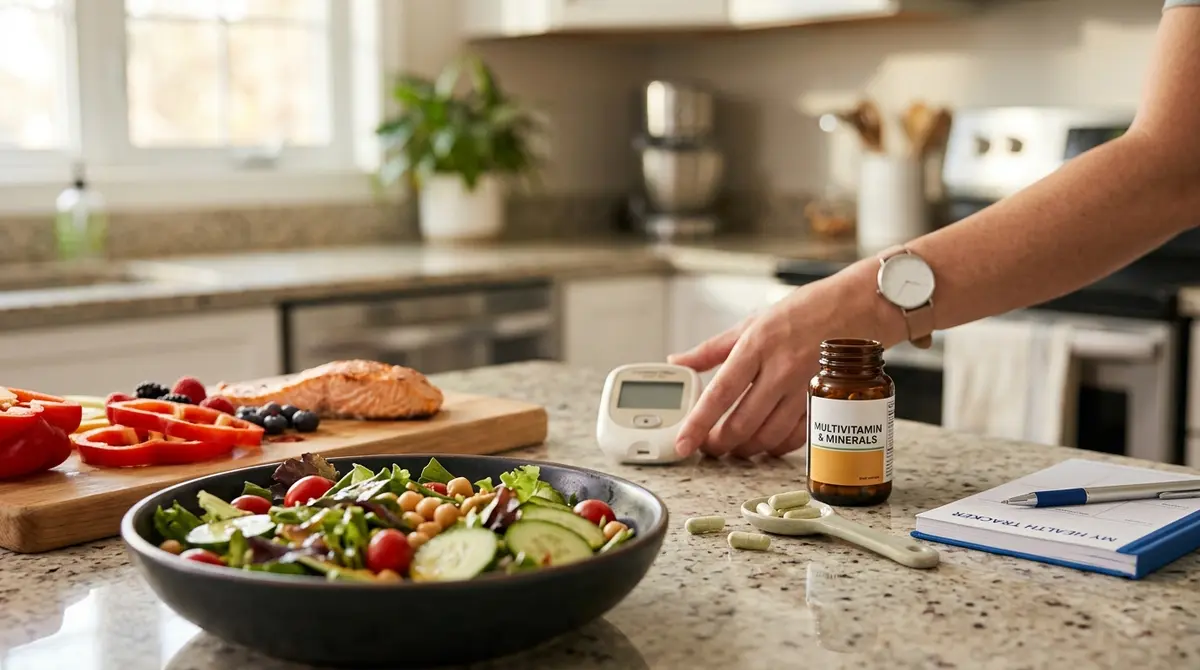
Calorie Tracking for Kidney Disease (CKD)

⚑ Common Struggles

  • Difficulty balancing protein intake to meet energy needs without overworking kidneys.
  • Navigating hidden sources of potassium, phosphorus, and sodium in everyday foods.
  • Managing strict fluid restrictions while ensuring adequate hydration and calorie intake.
  • Fatigue and lack of energy making consistent food logging and meal preparation challenging.

🎯 Key Considerations

  • Individualized protein targets varying significantly based on CKD stage and treatment (e.g., pre-dialysis vs. dialysis).
  • Strict limitations on potassium and phosphorus intake to prevent dangerous blood mineral imbalances.
  • Sodium restriction crucial for managing blood pressure, fluid retention, and reducing kidney strain.
  • Ensuring adequate calorie intake to prevent malnutrition, which is common in advanced CKD, while avoiding excessive weight gain.

Why Calorie Tracking Matters for Kidney Disease (CKD)

For individuals with Chronic Kidney Disease (CKD), diet plays a pivotal role in slowing disease progression, managing symptoms, and improving quality of life. Calorie tracking, when approached with the unique considerations of CKD, becomes an invaluable tool. It helps ensure you're consuming enough energy to prevent malnutrition, a common and serious concern in CKD, while also avoiding overnutrition that can exacerbate co-morbidities like diabetes or hypertension. Beyond just calories, tracking provides a window into your intake of critical macronutrients and micronutrients that directly impact kidney function. Precise calorie and nutrient monitoring empowers you to make informed food choices that align with your personalized renal diet plan, as prescribed by your doctor and renal dietitian. This isn't about restrictive dieting; it's about strategic nourishment. By consistently logging your intake with an app like GAYA, you gain clarity on your daily protein, sodium, potassium, and phosphorus levels, allowing for adjustments that support your kidney health goals. Remember, this guide offers general information and should always be used in conjunction with personalized advice from your healthcare team.

πŸ’‘ Pro Tips

  • Understand your specific CKD stage and how it impacts your dietary needs from your nephrologist.
  • Use GAYA to log all meals, snacks, and beverages to identify patterns in your nutrient intake.
  • Recognize that calorie needs can shift based on activity levels, weight changes, and CKD progression.

Start tracking with a photo

GAYA makes calorie tracking effortless β€” snap a photo and get instant nutrition data. Perfect for kidney disease (ckd).

Download GAYA
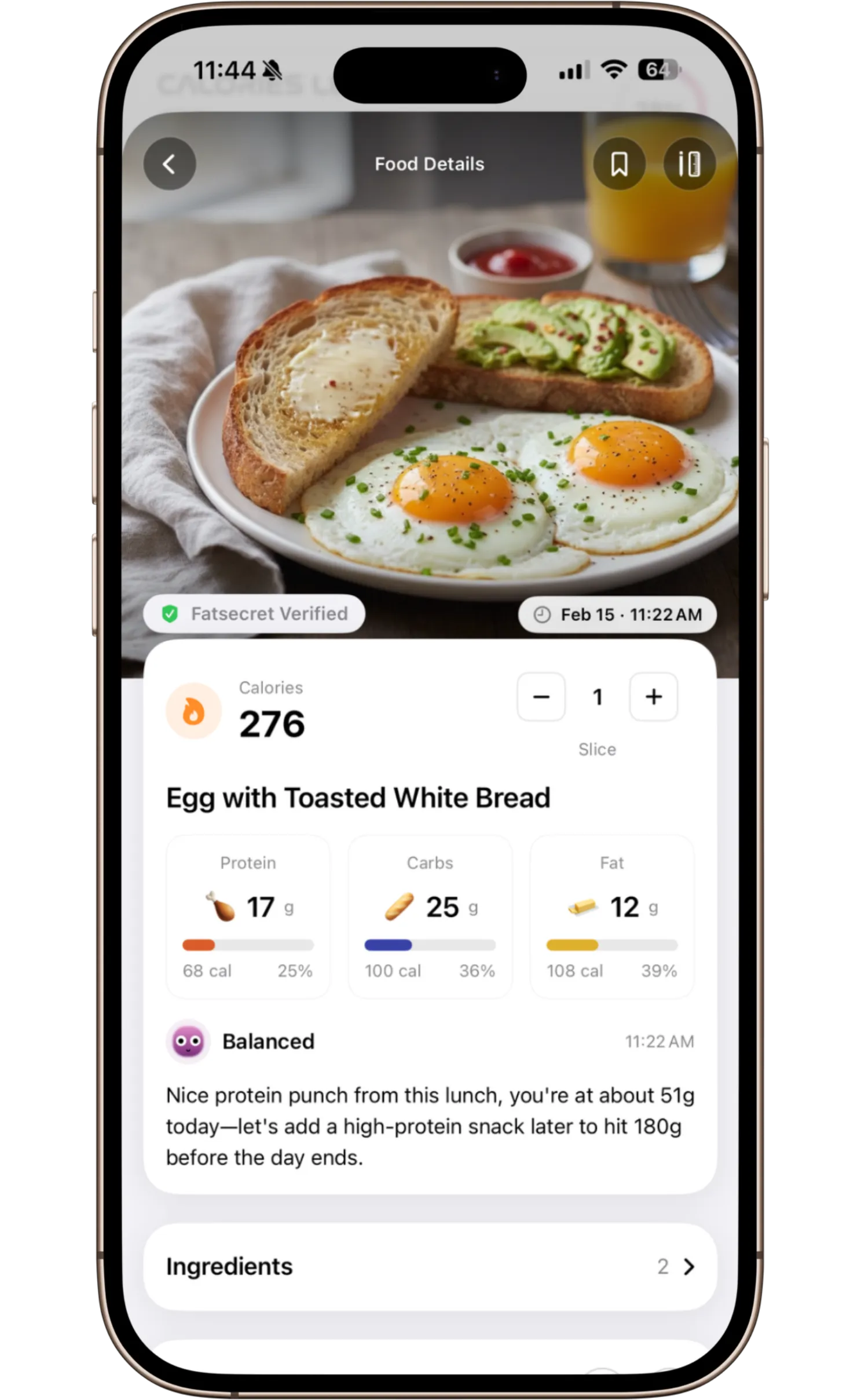
Photo food tracking with GAYA

Getting Started with Calorie Tracking & GAYA for CKD

Embarking on calorie tracking with CKD begins with open communication with your healthcare team, especially your nephrologist and a registered renal dietitian. They will provide your personalized dietary prescriptions, including specific targets for calories, protein, sodium, potassium, phosphorus, and fluids. These numbers are your foundation. Once you have your individualized goals, GAYA becomes your daily companion for meticulous tracking. Start by familiarizing yourself with GAYA's interface, learning how to log foods, create custom entries for homemade meals, and track your fluid intake. Begin by consistently logging everything you consume for a few days without judgment. This initial period helps establish a baseline and reveals your current eating habits and nutrient distribution. Don't strive for perfection immediately; focus on building the habit of logging. GAYA's extensive food database and barcode scanner can simplify this process. For complex renal diets, utilize GAYA's custom food entry feature for precise nutrient data, especially for dishes where ingredients and portion sizes are critical. This proactive approach to tracking is essential for making data-driven adjustments that support your kidney health.

πŸ’‘ Pro Tips

  • Consult your renal dietitian to get your precise daily targets for calories, protein, sodium, potassium, and phosphorus.
  • Set up GAYA with your personalized nutrient goals to receive immediate feedback on your intake.
  • Practice logging consistently for at least 3-5 days to establish a reliable baseline of your typical diet.
  • Utilize GAYA's custom food feature for accurate tracking of home-cooked meals with specific ingredients.

Managing Macronutrients and Micronutrients with CKD

Managing macronutrients – protein, carbohydrates, and fats – is critical in CKD. Protein intake is often the most complex, with recommendations varying significantly by CKD stage. Pre-dialysis patients typically require lower protein to reduce kidney workload, while dialysis patients often need higher protein to compensate for losses during treatment. GAYA allows you to meticulously track protein, ensuring you stay within your prescribed range. Focus on high-quality protein sources that are also lower in phosphorus, such as lean meats, poultry, fish, and egg whites. Carbohydrates and healthy fats are crucial for providing energy without excessive protein, so prioritize complex carbs like whole grains (in moderation, considering phosphorus/potassium) and healthy fats from avocados, olive oil, and nuts (again, with mineral awareness). Micronutrient management is equally vital, particularly for potassium, phosphorus, and sodium. High levels of these minerals can be dangerous for CKD patients. GAYA can help you monitor your intake of these critical minerals. For potassium, limit high-potassium fruits and vegetables, and learn techniques like double-boiling vegetables. For phosphorus, avoid processed foods, dark sodas, and limit dairy, choosing phosphorus binders as prescribed. Sodium restriction is paramount for blood pressure control and fluid management; focus on fresh foods, herbs, and spices instead of salt. Regularly review GAYA's nutrient reports to identify foods contributing heavily to these mineral levels and make necessary adjustments.

πŸ’‘ Pro Tips

  • Work with your dietitian to identify suitable protein sources that align with your CKD stage and phosphorus limits.
  • Pay close attention to food labels for sodium, potassium, and phosphorus content, and log them accurately in GAYA.
  • Learn cooking techniques like leaching or double-boiling vegetables to reduce potassium content.
  • Prioritize fresh, unprocessed foods to naturally lower your intake of hidden sodium and phosphorus.

Overcoming Common Challenges in CKD Calorie Tracking

One of the most significant challenges in CKD calorie tracking is managing fluid restrictions, which directly impacts overall intake and can lead to feelings of thirst or hunger. It's crucial to log all fluid intake in GAYA, not just water, but also fluid-rich foods like soups, ice cream, and certain fruits. To manage thirst, try sucking on ice chips, frozen grapes, or sugar-free hard candies, ensuring these align with your dietary restrictions. Fatigue, a common symptom of CKD, can make consistent tracking difficult. Simplify meal prep by planning ahead, batch cooking kidney-friendly meals, and utilizing pre-portioned snacks. GAYA's ability to save favorite meals can significantly reduce daily logging effort. Another challenge is food boredom, especially with a restricted diet. Experiment with new kidney-friendly recipes and spices to add variety without compromising your health goals. Eating out can also be daunting. Before dining out, research restaurant menus online to identify suitable options, and don't hesitate to ask for modifications (e.g., no added salt, sauces on the side). Log your best estimate in GAYA, and if unsure, err on the side of caution. Remember, consistency over perfection is key; even partial logging is better than none. Don't get discouraged by occasional slip-ups; simply get back on track with your next meal.

πŸ’‘ Pro Tips

  • Accurately log all fluid intake in GAYA, including beverages, soups, and high-water content foods.
  • Plan kidney-friendly meals and snacks in advance, utilizing GAYA's meal planning features to reduce daily effort.
  • Explore new herbs and spices to add flavor to your meals without relying on high-sodium ingredients.
  • When eating out, research menus beforehand and don't be afraid to request specific dietary modifications.

Advanced Tips for Sustained Success with CKD Nutrition

For long-term success with calorie tracking and CKD management, integrating your GAYA data with your healthcare team is paramount. Regularly share your GAYA reports with your renal dietitian and nephrologist. These reports provide invaluable insights into your dietary patterns and how they correlate with your lab results, allowing for precise, evidence-based adjustments to your treatment plan. This collaborative approach ensures your diet remains optimized as your CKD progresses or if your treatment plan changes. Understanding the 'why' behind your restrictions can also significantly boost adherence and motivation, transforming tracking from a chore into an empowering self-care practice. Beyond daily logging, focus on understanding the nutrient density of foods. Learn to identify kidney-friendly swaps for your favorite high-potassium or high-phosphorus items. For example, instead of a baked potato, consider a small portion of white rice. Utilize GAYA's trend analysis to spot long-term patterns in your intake and identify areas for continuous improvement. Remember that lifestyle factors beyond diet, such as physical activity (as approved by your doctor) and stress management, also play a crucial role in CKD. GAYA is a powerful tool, but it's most effective when used as part of a holistic approach to your health. Always consult your medical professionals before making significant dietary changes.

πŸ’‘ Pro Tips

  • Share your GAYA nutrient reports regularly with your renal dietitian and nephrologist for personalized adjustments.
  • Learn to interpret your lab results (e.g., potassium, phosphorus, creatinine) in conjunction with your GAYA data.
  • Continuously educate yourself on kidney-friendly food swaps and cooking techniques.
  • Utilize GAYA's long-term trend analysis to monitor progress and identify areas for ongoing dietary refinement.

Your Action Checklist

Consult your renal dietitian for personalized calorie and nutrient targets.
essential
Log all food, beverages, and fluid intake accurately in GAYA daily.
essential
Review GAYA's nutrient reports weekly to identify patterns in protein, sodium, potassium, and phosphorus.
essential
Plan meals and snacks in advance to ensure adherence to your renal diet.
recommended
Utilize GAYA's custom food entry for precise tracking of homemade meals.
recommended
Share your GAYA data with your healthcare team during appointments.
recommended
Explore new kidney-friendly recipes and cooking methods to add variety to your diet.
optional
Track your mood and energy levels alongside food intake to identify correlations.
optional

Common Mistakes to Avoid

βœ—Ignoring fluid intake as part of overall calorie and weight management, which is critical for CKD.
βœ—Assuming all 'healthy' foods are kidney-friendly without checking their potassium or phosphorus content.
βœ—Relying solely on general dietary advice instead of personalized recommendations from a renal dietitian.
βœ—Underestimating portion sizes, especially for foods high in restricted minerals like phosphorus or potassium.
βœ—Becoming discouraged by occasional tracking inaccuracies or dietary slips, leading to abandonment of the tracking habit.

Frequently Asked Questions

How does CKD affect my daily calorie needs?+

CKD can significantly alter calorie needs. While some may experience appetite loss requiring higher calorie density, others might need to manage weight to reduce strain. Your specific calorie target will depend on your CKD stage, activity level, and whether you are undergoing dialysis, making personalized guidance from a dietitian essential.

Can GAYA help me track potassium and phosphorus?+

Yes, GAYA is designed to track a wide range of nutrients, including potassium and phosphorus, which are crucial for CKD management. By logging your food intake, GAYA provides detailed reports, helping you monitor these mineral levels against your personalized targets set by your healthcare provider.

What if I miss a day of tracking my calories or fluids?+

Missing a day of tracking is common and not a reason to give up. The most important thing is to resume tracking with your next meal or fluid intake. Consistency over time is more valuable than perfect daily logging, so simply get back on track and continue monitoring your intake.

Are there specific foods I should avoid entirely with CKD?+

While 'entirely' avoid is strong, many foods should be severely limited or avoided due to high levels of sodium, potassium, or phosphorus. Examples include processed meats, dark sodas, certain high-potassium fruits and vegetables, and foods with phosphate additives. Your renal dietitian will provide a tailored list.

How do I manage thirst when on fluid restrictions?+

Managing thirst with fluid restrictions requires creativity. Try sucking on ice chips, frozen grapes (if potassium-appropriate), or sugar-free hard candies. Rinsing your mouth without swallowing, using lemon wedges, or chewing gum can also offer temporary relief without adding to your fluid intake.

Is it safe to try popular diets like keto or intermittent fasting with CKD?+

No, it is generally NOT safe to attempt popular restrictive diets like keto or intermittent fasting without direct medical supervision if you have CKD. These diets can significantly impact protein, electrolyte, and fluid balance, potentially worsening kidney function or creating dangerous imbalances. Always consult your nephrologist and renal dietitian before considering any significant dietary changes.

Start tracking with a photo

GAYA makes calorie tracking effortless β€” snap a photo and get instant nutrition data. Perfect for kidney disease (ckd).

Download GAYA
Photo food tracking with GAYA

Related Guides