
Life Stage

Calorie Tracking for Frequent Travelers

Navigating the demands of frequent travel while maintaining your health goals can feel like a constant battle. This comprehensive guide, crafted by a certified nutritionist, provides actionable strategies and expert insights specifically for the globe-trotting individual, empowering you to effectively track calories and optimize nutrition wherever your journey takes you with GAYA.

Calorie Tracking for Frequent Travelers

⚑ Common Struggles

  • Inconsistent meal times and unpredictable food availability across different locations and time zones.
  • Limited control over food choices when dining out frequently, relying on airport food, or client dinners.
  • Difficulty accurately logging diverse cuisines and restaurant portion sizes without reliable nutritional information.
  • The stress and fatigue of travel often leading to increased cravings, emotional eating, or skipping meals.

🎯 Key Considerations

  • Increased risk of dehydration during flights affecting hunger cues and metabolism.
  • Potential for reduced physical activity during transit days or when confined to hotel rooms.
  • Higher likelihood of consuming calorie-dense, nutrient-poor convenience foods or rich restaurant meals.
  • Impact of jet lag and disrupted sleep patterns on hunger hormones and energy expenditure.

Why Calorie Tracking Matters for the Frequent Traveler

For the frequent traveler, maintaining a consistent nutritional approach is not just about weight management; it's about sustaining energy, bolstering immunity, and enhancing mental clarity despite the rigors of the road. Travel often introduces variables like irregular sleep, exposure to new pathogens, and increased stress, all of which can impact metabolic function and overall well-being. By understanding your caloric intake and macronutrient distribution, you gain a powerful tool to counteract these challenges, ensuring your body receives the fuel it needs to perform optimally, whether you're presenting in a boardroom or exploring a new city. Calorie tracking serves as your personal compass, guiding your food choices even when options are limited or unfamiliar. It helps you make informed decisions, distinguishing between a necessary energy boost and an unnecessary indulgence. With GAYA, you can log meals quickly and easily, even when on the go, providing a clear picture of your dietary habits. This awareness empowers you to proactively manage your energy levels, prevent overeating due to fatigue or boredom, and ultimately, arrive at your destination feeling more vibrant and focused. Remember, consistency is key, and tracking helps build that consistency.

πŸ’‘ Pro Tips

  • View calorie tracking as a tool for empowerment, not restriction, especially when facing travel uncertainties.
  • Recognize that travel can increase your body's stress, making consistent nutrition even more critical for resilience.
  • Use GAYA's quick-add features to log meals efficiently, even when time is short.
  • Prioritize protein and fiber-rich foods to maintain satiety and stable blood sugar during long travel days.

Start tracking with a photo

GAYA makes calorie tracking effortless β€” snap a photo and get instant nutrition data. Perfect for frequent travelers.

Download GAYA
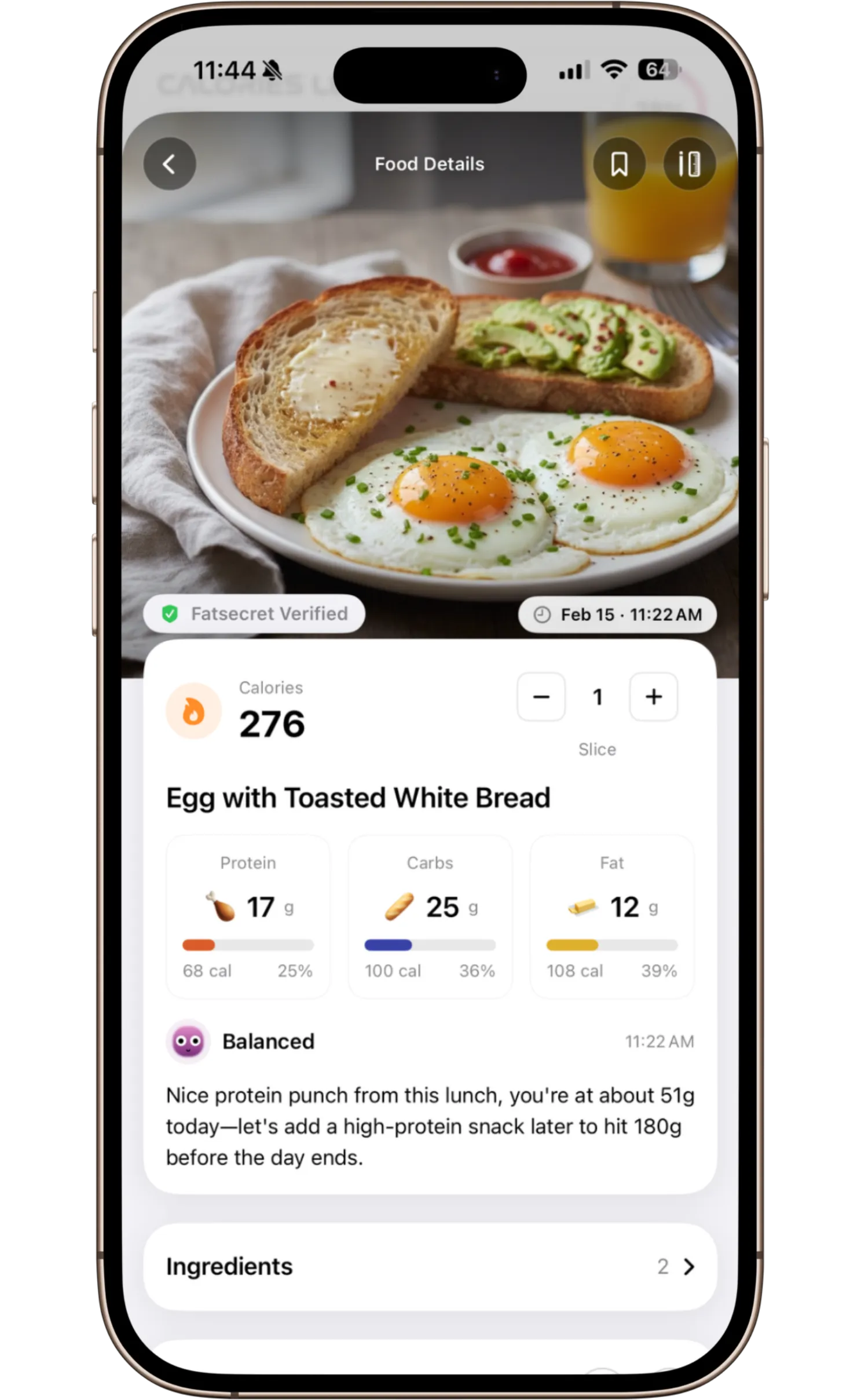
Photo food tracking with GAYA

Getting Started: Setting Up Your Travel-Friendly Tracking System

Before you even pack your bags, establish a robust and flexible calorie tracking system. Begin by determining your baseline caloric needs, factoring in your activity level during travel, which might differ from your routine at home. GAYA can help you calculate your estimated daily expenditure and set personalized goals. Pre-planning is your greatest asset: research dining options near your hotel or meeting venues, look up menus online, and identify grocery stores if you plan to prepare any of your own meals. This foresight minimizes last-minute, high-calorie impulse decisions. Equipping yourself with the right tools is also crucial. Beyond the GAYA app, consider packing a small, portable food scale if you frequently prepare your own meals, or at least familiarizing yourself with common visual portion cues. Learn to estimate portion sizes effectively for common foods you'll encounter, like a deck of cards for protein or a golf ball for nuts. Practice logging these estimations in GAYA before your trip to build confidence. Remember, the goal isn't perfect accuracy every single time, but consistent effort and informed approximation.

πŸ’‘ Pro Tips

  • Calculate your maintenance calories for both active travel days and sedentary travel days using GAYA.
  • Research restaurant menus and grocery stores at your destination ahead of time.
  • Pre-log common travel snacks and meals you anticipate eating to save time.
  • Familiarize yourself with visual portion size estimations for proteins, carbs, and fats.

Mastering Macros on the Move

While total calories are paramount, understanding and managing your macronutrients (protein, carbohydrates, and fats) becomes especially important for frequent travelers. Protein is your ally for satiety and muscle maintenance, crucial when activity levels might fluctuate and stress is higher. Aim for a protein source at every meal. Complex carbohydrates provide sustained energy, preventing the energy crashes often associated with jet lag or long days, while healthy fats contribute to satiety and hormone balance. Navigating diverse international cuisines can make macro tracking challenging, but it's not impossible. When dining out, prioritize meals that feature a clear protein source (grilled chicken, fish, tofu), plenty of non-starchy vegetables, and modest portions of whole grains or healthy fats. Don't hesitate to ask for modifications – sauces on the side, double vegetables instead of a starchy side, or grilled instead of fried. GAYA allows you to manually adjust entries or create custom foods, making it easier to log meals when specific nutrition info isn't available. Focus on balancing your plate visually and making smart swaps to keep your macros aligned with your goals, even if exact numbers are elusive. For specific dietary needs or medical conditions, always consult with a healthcare provider or registered dietitian.

πŸ’‘ Pro Tips

  • Prioritize protein at every meal to maintain satiety and muscle mass.
  • Opt for complex carbohydrates like whole grains over refined sugars for sustained energy.
  • Request sauces on the side and choose grilled or baked options over fried when dining out.
  • Utilize GAYA's custom food feature for unique or modified restaurant meals.

Overcoming Common Travel Tracking Challenges

Frequent travel presents a unique set of obstacles to consistent calorie tracking, but each can be overcome with strategy and resilience. One major challenge is the lack of transparent nutritional information, especially in international restaurants or local eateries. In such cases, make your best educated guess based on similar foods you've tracked before, focusing on the main ingredients and cooking methods. Consistency in logging, even if approximate, is more beneficial than skipping tracking altogether due to perceived inaccuracy. Don't let perfect be the enemy of good when you're on the go. Another common hurdle is the social aspect of dining. Business dinners, client lunches, or shared meals with colleagues can make mindful eating difficult. Communicate your health goals politely and discreetly if necessary, or simply make smart choices from the menu without drawing attention. Focus on hydrating adequately, especially during flights, as thirst can often be mistaken for hunger. Keep healthy, pre-portioned snacks on hand – nuts, fruit, protein bars – to prevent succumbing to less healthy options during unexpected delays or hunger pangs. GAYA's extensive database and ability to add custom foods make it an invaluable tool for navigating these situations.

πŸ’‘ Pro Tips

  • When nutritional data is unavailable, use your best estimation and focus on logging consistency.
  • Pack a variety of healthy, non-perishable snacks to control hunger between meals.
  • Actively manage social dining by making informed menu choices without overt declarations.
  • Stay well-hydrated throughout your journey to distinguish thirst from hunger.

Advanced Strategies for Sustained Success

Once you've mastered the basics, elevate your calorie tracking game with advanced strategies designed for long-term travel success. Consider implementing intermittent fasting on travel days to simplify meal timing and reduce overall caloric intake, especially when food options are limited or mealtimes are irregular. This can help manage the caloric surplus often associated with frequent dining out. However, if you have any underlying health conditions, consult with your healthcare provider before trying intermittent fasting. Furthermore, leverage GAYA's analytics to identify patterns in your travel eating habits. Do certain types of trips consistently lead to overeating? Are there specific cuisines that always challenge your goals? Use these insights to proactively adjust your strategies for future trips. Develop a 'travel eating playbook' with go-to healthy meal options for common scenarios (airport, hotel restaurant, client dinner) and pre-set custom meals in GAYA. This proactive approach transforms challenges into predictable routines, ensuring your health remains a priority no matter where your travels take you.

πŸ’‘ Pro Tips

  • Explore intermittent fasting on travel days to simplify eating windows and manage calorie intake (consult a doctor first).
  • Analyze GAYA's data for patterns in your travel eating to identify triggers and successes.
  • Create a 'travel eating playbook' with pre-approved healthy meal options for common scenarios.
  • Utilize GAYA's custom recipe feature to save common healthy meals you prepare or order frequently.

Your Action Checklist

Calculate your baseline caloric needs for travel days using GAYA.
essential
Research healthy dining options and grocery stores at your destination in advance.
essential
Pack a variety of non-perishable, pre-portioned healthy snacks.
essential
Pre-log anticipated travel meals and snacks in GAYA before your trip.
recommended
Commit to logging every meal, even if it's an estimation, to maintain consistency.
recommended
Prioritize water intake throughout your journey, especially during flights.
recommended
Explore GAYA's analytics to identify personal travel eating patterns.
optional
Experiment with intermittent fasting on light travel days (with medical clearance).
optional

Common Mistakes to Avoid

βœ—Underestimating portion sizes in restaurants or when ordering room service, leading to significant calorie overconsumption.
βœ—Skipping meals due to busy schedules, only to overeat later in the day when hunger becomes extreme.
βœ—Relying solely on airline or hotel convenience foods, which are often high in sodium, sugar, and unhealthy fats.
βœ—Neglecting hydration during flights, mistaking thirst for hunger and consuming unnecessary calories.
βœ—Giving up on tracking entirely due to one 'bad' meal or perceived inaccuracy, breaking consistency.

Frequently Asked Questions

How do I accurately track calories when dining in international restaurants with unknown ingredients?+

Focus on the main components: protein source, type of carbohydrate, and visible fats. Use GAYA's database to find similar foods, then adjust quantities based on visual estimation. Prioritize whole, unprocessed ingredients and ask for sauces on the side to better control calorie and macro intake. Consistency in logging, even with estimations, is more important than perfect accuracy in these situations.

What are the best healthy snack options to pack for long flights or busy travel days?+

Opt for non-perishable, high-protein, and high-fiber snacks. Think protein bars (check sugar content), pre-portioned nuts or seeds, dried fruit (in moderation), individual packets of nut butter, rice cakes, or high-fiber crackers. These options provide sustained energy and satiety without needing refrigeration, helping you avoid airport junk food.

How can I manage calorie tracking when jet lag disrupts my hunger cues and sleep schedule?+

Try to stick to your usual meal times as closely as possible in the new time zone to help reset your circadian rhythm. Prioritize protein-rich meals to stabilize blood sugar and maintain energy. Use GAYA to pre-plan meals and snacks, and be mindful that jet lag can increase cravings, so have healthy options readily available.

Is it realistic to maintain a calorie deficit while traveling frequently?+

Yes, it is realistic, but it requires diligent planning and consistency. Focus on small, sustainable choices like choosing healthier options when dining out, packing your own snacks, and staying hydrated. Don't aim for an aggressive deficit, as the stress of travel can already be demanding on your body. GAYA can help you maintain awareness and make smart choices to stay on track.

How do I handle business dinners or client lunches where I have little control over the menu?+

Scan the menu for the leanest protein options (e.g., grilled fish, chicken breast) and plenty of vegetables. Ask for sauces and dressings on the side, and choose water or sparkling water over sugary drinks or excessive alcohol. You can politely make your preferences known without drawing undue attention, focusing on enjoying the company while making the healthiest choices available. Log your best estimation in GAYA afterward.

What if I have a 'bad' day of eating while traveling? Should I just give up on tracking?+

Absolutely not! One 'bad' day is a learning opportunity, not a reason to abandon your goals. Acknowledge it, log it honestly in GAYA, and then refocus on your next meal. Consistency over time is far more impactful than perfection on any single day. Use it as a chance to identify triggers and plan how to better navigate similar situations in the future.

Start tracking with a photo

GAYA makes calorie tracking effortless β€” snap a photo and get instant nutrition data. Perfect for frequent travelers.

Download GAYA
Photo food tracking with GAYA

Related Guides