
Medical

Calorie Tracking for Crohn's & Ulcerative Colitis

This comprehensive guide empowers individuals with Crohn's Disease and Ulcerative Colitis to navigate calorie tracking effectively, transforming it into a powerful tool for managing symptoms and supporting overall gut health. Learn how to optimize your nutrition, prevent deficiencies, and maintain well-being amidst the unique challenges of IBD. Embrace a proactive approach to your dietary management with GAYA.
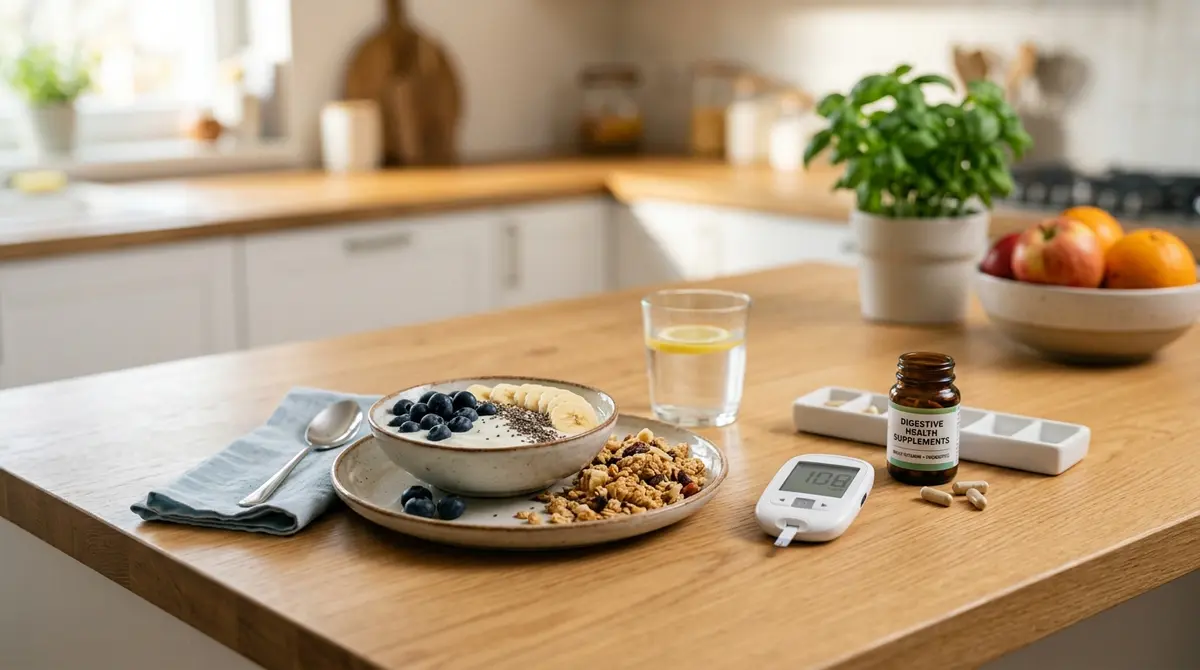
Calorie Tracking for Crohn's & Ulcerative Colitis

âš¡ Common Struggles

  • Unpredictable flare-ups making consistent calorie and nutrient intake challenging.
  • Fear of certain foods triggering symptoms, leading to overly restrictive diets and potential deficiencies.
  • Malabsorption issues causing nutrient shortfalls despite seemingly adequate food consumption.
  • Fluctuating appetite and energy levels due to inflammation, medication side effects, or surgical interventions.

🎯 Key Considerations

  • Increased metabolic demands and energy expenditure during active inflammation and disease flares.
  • Variable nutrient absorption efficiency, requiring adjustments to caloric goals and macronutrient ratios.
  • Heightened risk of specific micronutrient deficiencies (e.g., B12, iron, Vitamin D, calcium) due to malabsorption or restricted diets.
  • Impact of medications like corticosteroids on appetite, fluid retention, and nutrient metabolism, influencing perceived calorie needs.

Why Calorie Tracking Matters for IBD Management

For individuals living with Crohn's Disease and Ulcerative Colitis (IBD), calorie tracking extends far beyond simple weight management; it becomes a critical tool for understanding your body's unique nutritional landscape. IBD can significantly impact nutrient absorption, increase energy demands during active inflammation, and lead to unintentional weight loss or gain. By meticulously tracking your caloric and macronutrient intake, you can gain invaluable insights into how different foods affect your symptoms, identify potential nutritional gaps, and ensure you're consuming enough fuel to support healing and maintain energy levels. Moreover, consistent calorie tracking, especially with an AI-powered app like GAYA, helps you and your healthcare team make informed decisions. It provides objective data on your eating patterns, which can be crucial for tailoring dietary interventions, optimizing medication effectiveness, and preventing common IBD complications such as malnourishment or specific nutrient deficiencies. This isn't about rigid restriction, but about empowering you with data to nourish your body optimally, even amidst the unpredictable nature of IBD. Always consult with your gastroenterologist and a registered dietitian specializing in IBD before making significant changes to your diet or calorie intake.

💡 Pro Tips

  • Use calorie tracking to identify patterns between specific foods, portion sizes, and your IBD symptoms.
  • Communicate your tracking data regularly with your IBD care team to inform dietary adjustments and treatment plans.
  • Focus on tracking not just calories, but also macronutrients (protein, fat, carbs) and key micronutrients to spot potential deficiencies.

Start tracking with a photo

GAYA makes calorie tracking effortless — snap a photo and get instant nutrition data. Perfect for crohn's & ulcerative colitis.

Download GAYA
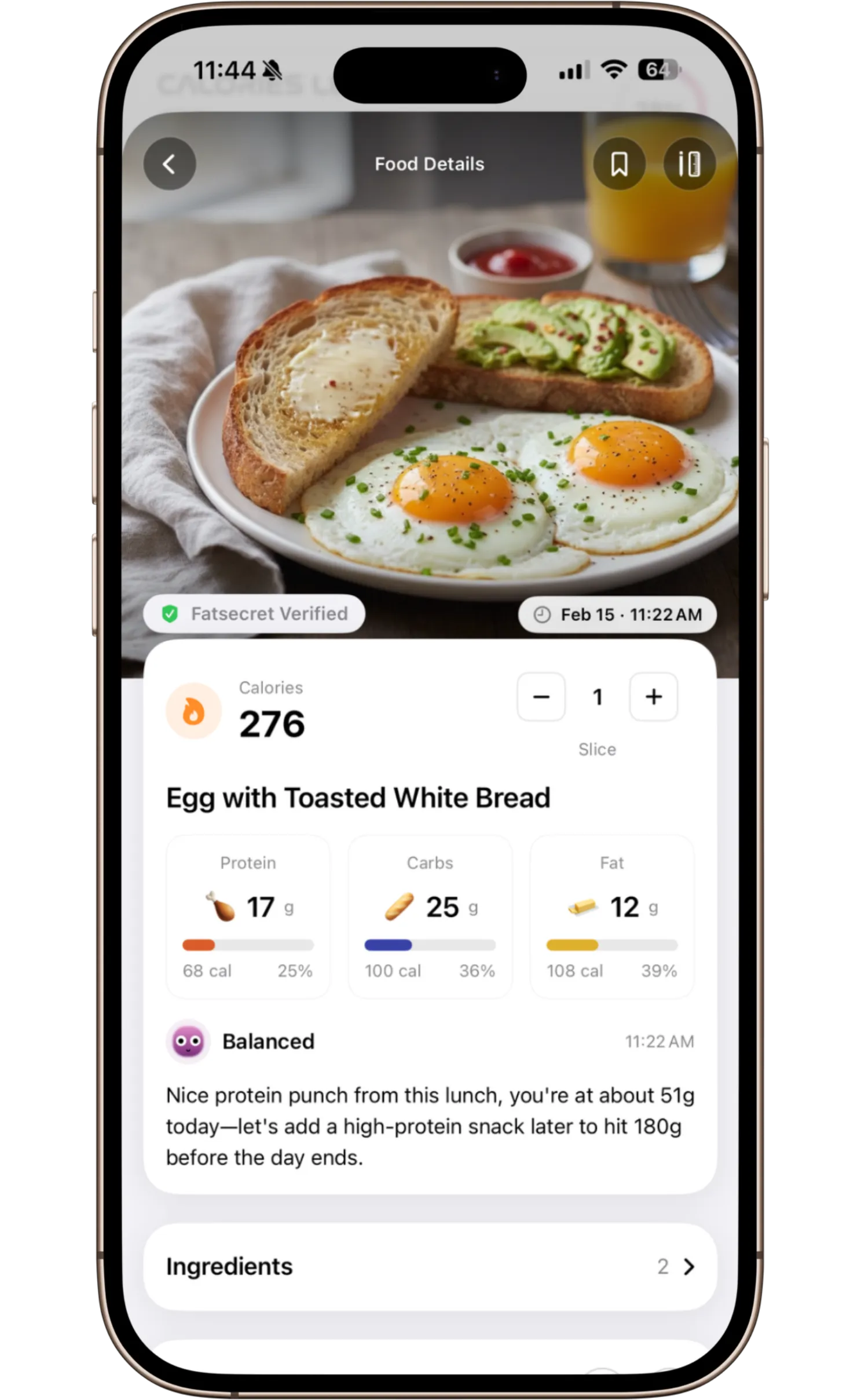
Photo food tracking with GAYA

Getting Started with Calorie Tracking & GAYA

Embarking on your calorie tracking journey with IBD requires a gentle, patient approach. The goal is not perfection, but consistent data collection to build a comprehensive picture of your dietary habits. Begin by establishing a baseline for a few days, logging everything you eat and drink, even if it feels inconsistent due to symptoms. GAYA's intuitive interface and extensive food database can simplify this process, allowing for quick and accurate logging of meals, snacks, and beverages. Pay close attention to portion sizes, as these can significantly impact your total intake and symptom response. It's highly recommended to start this process in conjunction with a registered dietitian specializing in IBD. They can help set appropriate calorie and macronutrient targets based on your disease activity, weight goals, and individual tolerance. GAYA can then serve as your daily companion, helping you stick to these personalized recommendations. Remember, calorie tracking is a tool for self-discovery and management, not a source of stress. Be kind to yourself, especially during flare-ups, and focus on gathering data that will ultimately lead to better health outcomes.

💡 Pro Tips

  • Start by tracking your typical intake for 3-5 days to establish a baseline before making any changes.
  • Utilize GAYA's barcode scanner and vast food database for quick and accurate logging, reducing tracking fatigue.
  • Track not only your food but also your IBD symptoms (e.g., pain, stool frequency, energy levels) within GAYA's notes feature to identify correlations.

Managing Macronutrients & Micronutrients with IBD

When living with Crohn's or Ulcerative Colitis, the balance of macronutrients—protein, carbohydrates, and fats—is crucial for managing symptoms and supporting recovery. Protein is vital for tissue repair and immune function, especially during periods of inflammation; aim for easily digestible sources like lean poultry, fish, eggs, and certain plant-based options. Carbohydrates provide essential energy, but choices matter: during flares, opting for refined, low-fiber carbs might be better tolerated, while in remission, gradually incorporating soluble fibers can support gut health. Fats are calorie-dense and necessary for nutrient absorption, but high-fat meals can sometimes exacerbate symptoms; focus on healthy fats from sources like avocado, olive oil, and fatty fish, adjusting intake based on individual tolerance. Beyond macronutrients, micronutrient deficiencies are common in IBD due to malabsorption, reduced intake, and increased losses. Pay close attention to your intake of iron, B12, Vitamin D, calcium, zinc, and magnesium. GAYA can help you monitor your micronutrient intake, highlighting areas where you might need to adjust your food choices or discuss supplementation with your healthcare provider. A personalized approach guided by a dietitian is key to ensuring you meet all your nutritional needs without triggering symptoms.

💡 Pro Tips

  • Prioritize lean, easily digestible protein sources to support healing and prevent muscle wasting, particularly during flares.
  • Adjust carbohydrate choices based on disease activity: opt for low-fiber, well-cooked options during flares and gradually reintroduce soluble fibers in remission.
  • Monitor your intake of essential micronutrients like iron, B12, and Vitamin D, discussing potential deficiencies and supplementation with your doctor.

Overcoming Common Challenges & Flare-Ups

Living with IBD means navigating periods of remission and unpredictable flare-ups, which can significantly impact your ability to track calories and maintain consistent nutrition. During a flare, appetite may decrease, malabsorption can worsen, and the focus shifts from calorie goals to symptom management and hydration. It's crucial to be flexible and empathetic with yourself during these times. Don't abandon tracking entirely; instead, adapt your approach. Focus on logging even small, nutrient-dense sips and bites, as this data can still be valuable for your care team. Prioritize hydration with electrolyte-rich fluids. Another common challenge is the fear of food, where past experiences of discomfort lead to overly restrictive eating patterns. Calorie tracking, when used constructively, can help demystify this. By logging foods and correlating them with symptoms, you can gradually identify true triggers versus perceived ones, allowing for a more diverse and less restrictive diet during remission. Remember that consistency over perfection is the goal, and every piece of data contributes to a clearer understanding of your unique dietary needs. Work closely with your dietitian to develop a flare-up specific nutrition plan.

💡 Pro Tips

  • During flare-ups, prioritize nutrient-dense liquids and easily digestible soft foods, logging even small intakes for insights.
  • Don't let 'perfect' be the enemy of 'good'; track what you can, even if it's not every single item, to maintain data continuity.
  • Utilize GAYA's custom food entry feature for homemade meals or specific bland preparations often consumed during flares.

Advanced Tips for Long-Term Success & Remission

Once you've established a consistent calorie tracking routine and gained a better understanding of your body's responses, you can leverage GAYA for more advanced long-term strategies to maintain remission and optimize your health. This involves moving beyond basic calorie counting to a more holistic view of your diet and lifestyle. Regularly review your tracking data for trends over weeks and months, not just days. Look for correlations between your nutritional intake, symptom severity, energy levels, and even mood. This deeper analysis can reveal subtle patterns that might influence your long-term IBD management. Consider experimenting cautiously with food reintroduction during sustained remission, always under the guidance of your dietitian. GAYA can help you track these introductions, noting quantities and subsequent symptoms, to expand your dietary variety safely. Focus on optimizing your gut microbiome through diverse, whole foods that are well-tolerated, rather than just hitting calorie targets. Long-term success with IBD and calorie tracking is about continuous learning, adaptation, and working collaboratively with your specialized healthcare team to refine your nutritional approach as your disease activity evolves.

💡 Pro Tips

  • Regularly review your long-term tracking data in GAYA for broader trends in nutrient intake, weight, and symptom frequency.
  • Work with your dietitian to develop personalized meal plans that align with your calorie and macro goals for sustained remission.
  • Utilize GAYA's features to track not just food, but also hydration, sleep, and stress levels for a more comprehensive health overview.

Your Action Checklist

Consult with an IBD-specialized Registered Dietitian before starting or significantly changing your calorie tracking approach.
essential
Log all food and drink consistently, even during flare-ups, to gather comprehensive data on your intake.
essential
Track your IBD symptoms alongside your food intake to identify potential trigger foods and beneficial patterns.
essential
Utilize GAYA's detailed nutritional insights to monitor macronutrient ratios and key micronutrient intake.
recommended
Pre-plan meals and snacks, especially during busy periods, to ensure consistent and nutrient-dense eating.
recommended
Monitor your hydration levels closely, as dehydration can exacerbate IBD symptoms and impact overall health.
recommended
Experiment cautiously with reintroducing previously avoided foods during remission, tracking reactions meticulously.
optional
Track non-dietary factors like sleep quality and stress levels to understand their impact on your gut health.
optional

Common Mistakes to Avoid

✗Ignoring symptom tracking alongside calorie intake, missing crucial correlations between food and flare-ups.
✗Setting overly strict calorie goals during active disease flares, potentially leading to inadequate nutrition and prolonged recovery.
✗Not accounting for potential malabsorption, resulting in calorie and nutrient targets that are theoretically met but practically insufficient.
✗Fearing all foods and adopting an excessively restrictive diet based on past negative experiences, without proper reintroduction trials.
✗Failing to regularly review tracking data with a gastroenterologist or IBD-specialized dietitian for personalized adjustments.
✗Becoming overly fixated on numbers, losing sight of overall well-being, and developing an unhealthy relationship with food.

Frequently Asked Questions

Can I really track calories during a flare-up?+

Yes, you absolutely can and should, though your approach might shift. During a flare, the focus is often on symptom management and hydration. Tracking even small, easily digestible intakes can provide valuable data for your care team, helping them understand your nutritional status and tailor interventions, even if you're not meeting typical calorie goals.

How do I account for malabsorption when tracking calories?+

Accounting for malabsorption is complex and often requires a dietitian's guidance. While calorie tracking apps like GAYA log what you consume, they don't directly measure absorption. Your dietitian can help adjust your calorie and macronutrient targets upwards to compensate for estimated losses, ensuring you get sufficient nutrients despite reduced absorption. Consistent tracking helps them make these informed adjustments.

What if I'm losing weight unintentionally, should I still track calories?+

Absolutely. Unintentional weight loss is a common concern in IBD, indicating potential malnourishment or insufficient caloric intake. Tracking calories becomes even more critical in this scenario to ensure you are consuming enough nutrient-dense foods to prevent further weight loss and support healing. Your dietitian can use this data to help you increase your intake safely and effectively.

Are there specific foods I should track more closely if I have IBD?+

While all foods contribute to your overall intake, pay particular attention to foods known to be common IBD triggers (like high-fiber raw vegetables, nuts, seeds, very fatty foods, or dairy if lactose intolerant). Also, closely track new foods you introduce during remission, noting portion sizes and any subsequent symptoms. This helps pinpoint individual sensitivities and build a personalized safe food list.

How often should I review my tracking data with my doctor or dietitian?+

The frequency of review depends on your disease activity and individual needs. During active flares or when making significant dietary changes, more frequent check-ins (e.g., weekly or bi-weekly) might be beneficial. In stable remission, quarterly or semi-annual reviews can be sufficient to ensure your nutritional plan remains optimal and to address any emerging concerns. Always follow your healthcare provider's recommendations.

Is calorie tracking sustainable long-term with IBD?+

Yes, calorie tracking can be a highly sustainable long-term tool for IBD management, especially with a user-friendly app like GAYA. The key is to view it as an empowering data collection method, not a rigid prison. As you learn your body's responses, you might track less intensely during stable periods and more closely during changes or flares. It evolves from a detailed daily task to a periodic check-in, providing valuable insights for lifelong self-management.

Start tracking with a photo

GAYA makes calorie tracking effortless — snap a photo and get instant nutrition data. Perfect for crohn's & ulcerative colitis.

Download GAYA
Photo food tracking with GAYA

Related Guides