
Calorie Tracking for Middle Eastern Diet
This guide offers practical, culturally aware tips for tracking calories while enjoying Middle Eastern-style foods and building a balanced eating pattern that you can maintain over time.
GAYA Editorial TeamReferences
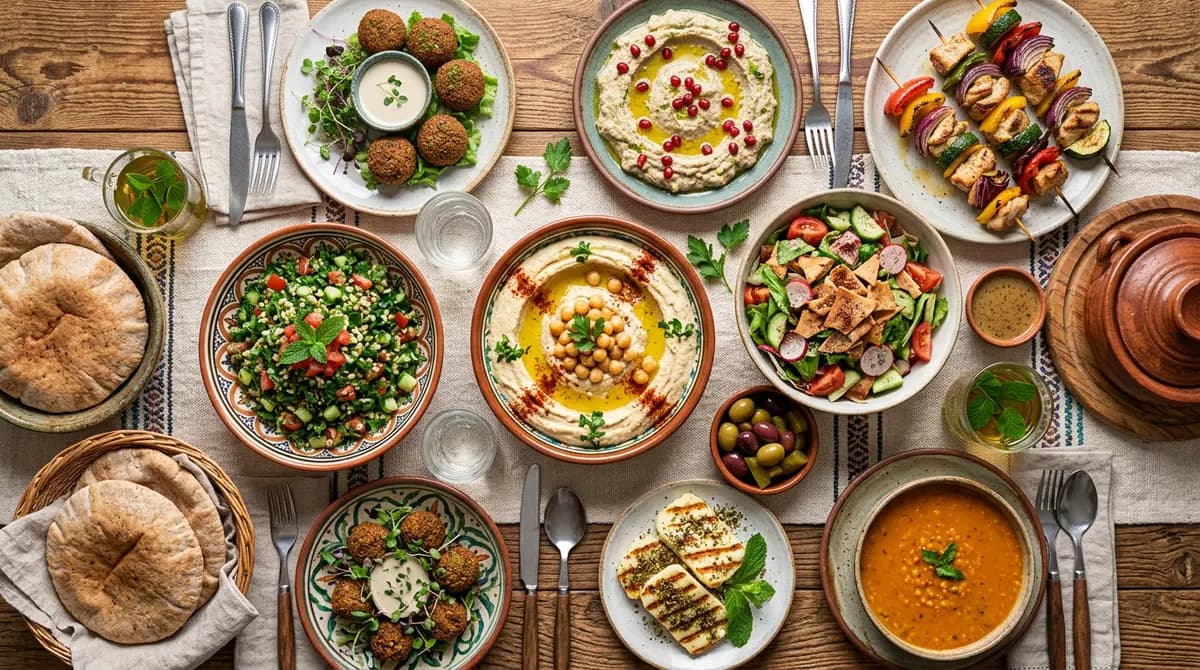
⚡ Common Struggles
- Family meals, gatherings, and special events can make portions harder to keep track of and may lead to overeating.5,7
- Foods such as oils, nuts, and seeds are nutritious choices, but they still add calories and can be easy to underestimate.3,5,7
- Bread, rice, grains, desserts, and sweetened drinks can make daily calorie intake add up quickly if you are not paying attention.3,5
- After a higher-calorie meal or social occasion, it can be hard to get back to your usual routine, even though setbacks are normal.5,7
🎯 Key Considerations
- Breads, rice, and other grains are important carbohydrate sources, so they are useful foods to watch when tracking.3,5
- Beans, peas, and lentils provide carbohydrates, fiber, and protein, and they still contribute to total calorie intake.3,5
- Oils, nuts, and seeds can fit into a healthy eating plan, but they count toward daily calories like any other food.2,5,7
- Desserts and sugar-sweetened drinks can add many calories and added sugar, so it helps to keep an eye on them.3,5
Why Calorie Tracking Matters for the Middle Eastern Diet
A Middle Eastern-style eating pattern can fit well within healthy eating guidance when it emphasizes vegetables, fruits, whole grains, beans or lentils, lean proteins, and oils such as olive oil.2,5 Weight change is influenced by calorie balance, so even nutritious foods can add up when portions are large or meals are frequent.5,7 Tracking can help you notice patterns in breads, rice dishes, oils, snacks, sweets, and drinks so you can make adjustments that are realistic for you.3,5,6 If you have a health condition or you are making a major change to how you eat, talk with a health care professional; they may also refer you to a registered dietitian for more tailored guidance.3,6,7
💡 Pro Tips
- Pay close attention to common sources of calories such as breads, rice, oils, nuts, seeds, sweets, and sugary drinks.3,5,7
- Keep favorite cultural foods in your routine, but balance them with vegetables, fruits, whole grains, protein foods, and regular physical activity.2,4,5
- Use tracking to support realistic goals rather than very strict rules that are hard to maintain.2,5,6
- If you have a higher-calorie meal or gathering, refocus on your usual routine instead of giving up on the plan.5,7
Start tracking with a photo


Getting Started: Your First Steps with GAYA
A simple way to begin is to use GAYA consistently enough to follow the foods and drinks you have most often. Online trackers and smartphone apps can help you keep track of what you eat, your physical activity, and your weight, and these tools may help you stay motivated.5,6 Start with meals, snacks, and drinks that show up often in your routine, then review your log for recurring sources of calories such as grains, sweets, snack foods, and sweetened beverages.3,5,7 The most sustainable approach is one that fits your preferences, values, and cultural traditions over time.2,6
💡 Pro Tips
- Set a specific, realistic goal for your tracking routine so you know what success looks like.5,6
- Track beverages as well as foods, since drinks with added sugar can add many calories without offering much nutrition.3,5
- Review your entries regularly to spot patterns, setbacks, and opportunities to make small changes.5,6,7
- Ask family, friends, or health professionals for support if staying consistent feels difficult.5,6
Managing Macros and Traditional Dishes
Middle Eastern-style meals can include carbohydrates from breads, rice, grains, and legumes; protein from beans, lentils, dairy, eggs, seafood, poultry, and lean meats; and fats from oils, nuts, and seeds.2,3,5 Looking at calories alongside these major nutrients can help you build meals that feel more balanced and satisfying.2,6 A practical pattern is to pair carbohydrate-rich foods with vegetables and protein foods while keeping an eye on added sugars and higher-fat cooking methods.2,3,5,7 This makes it easier to include favorite dishes without relying on an overly restrictive plan.2,5,6
💡 Pro Tips
- When a meal is heavy in bread, rice, or other grains, add vegetables and a protein food to improve balance.2,3,5
- Choose mostly whole grains when possible.2,3,5
- Keep added sugars and saturated fat in check, especially in desserts, fried foods, and sweet drinks.2,3,5
- Baking or grilling more often can be a helpful alternative to frying.7
Overcoming Common Challenges in Middle Eastern Cuisine
Family meals, workplace gatherings, and special events can make it easier to overeat or lose track of portions.5,7 That is a normal challenge, so it helps to focus on habits you can repeat instead of chasing perfect accuracy.5,6,7 Returning to balanced choices such as vegetables, fruits, whole grains, beans or lentils, lean proteins, and water can help you settle back into your routine after a richer meal.2,4,5 Setbacks happen. What matters most is getting back to your usual eating and activity pattern as soon as you can.5,7
💡 Pro Tips
- Before gatherings, remind yourself of your goal and decide on a realistic approach you can follow.5,6
- Keep higher-calorie snack foods and treats less visible at home or work when possible.5,7
- If a celebration meal is richer than usual, return to your normal routine at the next opportunity.5,7
- If medical needs affect your eating or activity choices, ask a health professional for individualized guidance.6,7,8
Advanced Tips for Sustainable Tracking
Sustainable tracking works best when it matches your preferences, values, and cultural traditions over the long term.2,6 Specific goals, regular monitoring, and support can help you stay consistent.5,6 Tracking physical activity alongside food intake can give you a fuller picture of energy balance, since activity helps you use more calories and supports weight management.1,5,7,8 For long-term success, keep choosing foods you enjoy, stay active regularly, and expect occasional setbacks instead of aiming for perfection.4,5,6,7
💡 Pro Tips
- Review your entries and weight trends regularly so you can spot patterns early.5,6,7
- Use support from family, friends, groups, or health professionals when motivation dips.5,6,8
- Build activity gradually and choose forms you enjoy, such as walking or dancing.5,8
- If you want to lighten familiar recipes, emphasize vegetables, limit added sugars and saturated fat, and favor baking or grilling more often.2,5,7
Your Action Checklist
Common Mistakes to Avoid
Frequently Asked Questions
How do I track calories for a complex dish like Maqluba or Mansaf?+
For mixed dishes, focus on making the most consistent estimate you can and pay special attention to ingredients or sides that often add calories, such as grains, oils, desserts, and sweetened drinks. The most important part is keeping a tracking habit you can maintain over time and returning to your plan after imperfect days.3,5,6,7
What about tracking during Ramadan fasting?+
When your eating schedule changes, current guidance still emphasizes an overall pattern built around vegetables, fruits, whole grains, beans or lentils, protein foods, and water, while limiting added sugars and excess calories. If fasting or a medical condition affects your eating pattern, individualized advice from a health professional can help.2,5,6,7
How can I accurately estimate portion sizes for communal meals?+
Many Middle Eastern desserts are very sweet. How can I enjoy them without derailing my goals?+
Is it okay to use estimations if I can't measure every single ingredient perfectly?+
What if I frequently eat out at Middle Eastern restaurants?+
When eating out, choose options that fit a healthy eating plan more often, such as meals built around vegetables, whole grains, beans or lentils, lean proteins, and cooking methods like baking or grilling instead of frying. Keep an eye on sweetened drinks and desserts as well, because they can add calories quickly.2,3,5,7
References
- Dietary Guidelines for Americans, 2025-2030 — U.S. Department of Agriculture and U.S. Department of Health and Human Services
- Nutrition — MedlinePlus
- Carbohydrates — MedlinePlus
- Healthy Eating & Physical Activity for Life — National Institute of Diabetes and Digestive and Kidney Diseases
- Eating & Physical Activity to Lose or Maintain Weight — National Institute of Diabetes and Digestive and Kidney Diseases
- Choosing a Safe & Successful Weight-loss Program — National Institute of Diabetes and Digestive and Kidney Diseases
- Weight Control — MedlinePlus
- Exercise and Physical Fitness — MedlinePlus
Start tracking with a photo