
Fitness

Calorie Tracking for American Football

This comprehensive guide empowers American Football players to optimize their nutrition through precise calorie tracking, enhancing performance, recovery, and body composition. Learn how to fuel your body like a pro, translating dietary insights into gridiron dominance with the help of GAYA.

Calorie Tracking for American Football

⚑ Common Struggles

  • Struggling to meet the immense caloric demands required for intense training and game days without feeling overly full or sluggish.
  • Navigating inconsistent team meals and travel schedules that disrupt consistent meal planning and tracking.
  • Accurately estimating calorie expenditure from varied practice intensities, lifting sessions, and actual game play.
  • Balancing the need for muscle gain or maintenance with strategic fat loss during different phases of the season.

🎯 Key Considerations

  • Extremely high daily caloric needs (often 4,000-7,000+ calories) to support intense training, muscle mass, and recovery.
  • Critical importance of protein intake for muscle repair, growth, and preventing catabolism during heavy training loads.
  • Strategic carbohydrate loading and repletion before, during, and after practices/games to maintain energy levels and optimize glycogen stores.
  • Significant fluid and electrolyte losses requiring meticulous hydration tracking alongside calorie intake.

Fueling the Gridiron: Why Calorie Tracking is Your Secret Weapon

For American Football players, nutrition isn't just about eating; it's about strategic fueling. Every tackle, sprint, and lift demands immense energy, and without adequate caloric and macronutrient intake, performance suffers, recovery is hampered, and injury risk increases. Calorie tracking provides the objective data necessary to ensure your body receives the precise fuel it needs, whether you're bulking up in the off-season, maintaining strength during intense practices, or cutting weight for optimal agility and speed. Understanding your daily caloric expenditure, which can fluctuate wildly based on practice intensity, position, and game demands, is the first step toward unlocking your full potential. GAYA helps you move beyond guesswork, allowing you to fine-tune your intake to match your output. This precision leads to better body composition, sustained energy through all four quarters, and faster recovery between sessions, giving you a competitive edge over opponents who might be under-fueling or over-fueling haphazardly.

πŸ’‘ Pro Tips

  • Recognize that your caloric needs will vary significantly between off-season, pre-season, and in-season – adjust your GAYA goals accordingly.
  • View calorie tracking as a performance tool, similar to film study or strength training, directly impacting your on-field success.
  • Pay attention to how different calorie totals affect your energy levels during practice and your recovery rate; this biofeedback is invaluable.

Start tracking with a photo

GAYA makes calorie tracking effortless β€” snap a photo and get instant nutrition data. Perfect for american football.

Download GAYA
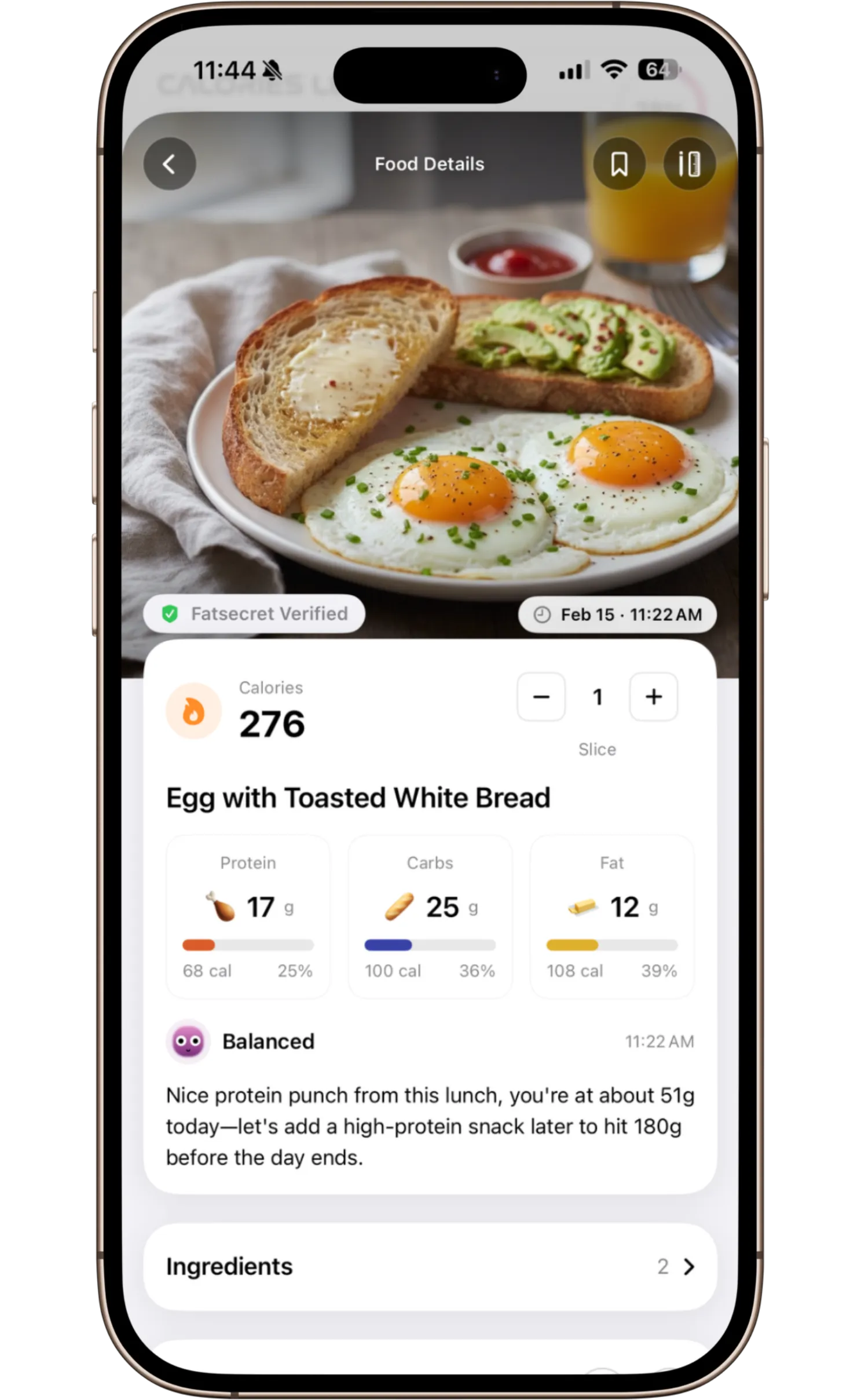
Photo food tracking with GAYA

Kickoff to Tracking: Your First Steps with GAYA

Starting your calorie tracking journey with GAYA begins with an honest assessment of your current physical state and performance goals. Whether you aim to gain lean muscle, maintain your current weight for peak agility, or strategically shed body fat, GAYA's initial setup helps you establish a baseline. Input your current weight, height, age, activity level, and your specific football-related goals. GAYA will then provide an estimated daily caloric target and macronutrient breakdown tailored to your needs, which serves as your starting point. Consistency is paramount once you begin. Log every meal, snack, and beverage accurately. Utilize GAYA's extensive food database and barcode scanner for quick, precise entries. Don't shy away from measuring portions, especially in the initial weeks, to develop an accurate eye for serving sizes. Remember, the more precise your input, the more accurate and beneficial GAYA's insights will be, helping you make informed decisions about your fuel intake to support your demanding football schedule.

πŸ’‘ Pro Tips

  • Take a baseline measurement (weight, body fat percentage if possible) before starting to track, then re-evaluate every 2-4 weeks.
  • Pre-log your meals the night before or in the morning to ensure you hit your targets, especially on busy practice days.
  • Utilize GAYA's custom food feature for team meals or common recipes to save time and ensure accuracy for frequently consumed items.

Beyond Calories: Dominating Your Macros for Power and Recovery

While total calories set the energy foundation, the distribution of macronutrients – protein, carbohydrates, and fats – is crucial for an American Football player. Carbohydrates are your primary energy source, essential for high-intensity sprints, explosive plays, and sustaining energy throughout long practices. Prioritize complex carbs like whole grains, fruits, and starchy vegetables to fuel your muscles and brain. Protein is the building block for muscle repair and growth, vital for recovering from strenuous workouts and minimizing muscle breakdown. Aim for consistent protein intake throughout the day, especially post-workout, to optimize synthesis. Healthy fats, often overlooked, play a significant role in hormone production, nutrient absorption, and reducing inflammation, all critical for an athlete's overall health and recovery. Focus on sources like avocados, nuts, seeds, and olive oil. GAYA allows you to track your macros alongside calories, providing a holistic view of your nutritional intake. Adjusting your macro ratios based on your position (e.g., linemen might need more calories and carbs than a cornerback) and training phase (e.g., higher protein during a cut) is a game-changer for optimizing performance and body composition.

πŸ’‘ Pro Tips

  • Prioritize carbohydrate intake around workouts and games to maximize energy and recovery, consuming easily digestible carbs during intense periods.
  • Distribute protein intake evenly across all meals and snacks to support continuous muscle repair and growth.
  • Don't fear healthy fats; they are essential for hormone balance and overall well-being, but monitor portion sizes as they are calorie-dense.

Tackling Tracking Hurdles: Staying Consistent Amidst the Chaos

The life of an American Football player is often unpredictable, marked by demanding schedules, team meals, and travel, all of which can pose significant challenges to consistent calorie tracking. One common hurdle is the lack of control over team-provided food. In these situations, focus on making the best choices available – prioritizing lean proteins, complex carbohydrates, and plenty of vegetables. Use GAYA's estimation features or log generic entries (e.g., "chicken breast, 6oz") when precise measurements aren't possible, ensuring you're still logging something rather than skipping entirely. Travel and game day routines also present unique obstacles. Prepare by packing nutrient-dense snacks and planning meals in advance where possible. Communicate with your coaches or team nutritionist about your tracking goals. It's about finding practical solutions within your environment. Remember, perfect tracking isn't always achievable, but consistent effort, even with estimations, yields far better results than intermittent or abandoned tracking.

πŸ’‘ Pro Tips

  • Meal prep on your days off to ensure you have control over at least some of your meals, especially for snacks and breakfasts.
  • If eating out or at team meals, estimate portion sizes using visual cues (e.g., deck of cards for protein, cupped hand for carbs) and log them into GAYA.
  • Keep a stash of emergency, high-calorie, nutrient-dense snacks (e.g., protein bars, nuts, fruit) for unexpected hunger or missed meals.

Next-Level Nutrition: Advanced Strategies for the Serious Player

Once you've mastered the basics of consistent calorie and macro tracking, you can delve into more advanced strategies to further optimize your performance. Periodized nutrition involves adjusting your calorie and macro targets to align with different phases of your training cycle – off-season bulk, pre-season cut, in-season maintenance. This dynamic approach ensures your body is always optimally fueled for the specific demands of each phase, preventing plateaus and maximizing adaptations. For instance, increasing carbohydrate intake on game days and intense practice days, and slightly reducing it on rest days, can enhance recovery and energy. Body composition analysis, such as DEXA scans, can provide valuable insights beyond the scale, helping you track changes in lean muscle mass versus body fat. Use this data, alongside your GAYA tracking, to make precise adjustments. While supplements can play a role, always consult with a sports dietitian or healthcare provider before introducing any into your regimen, as their efficacy and safety vary. A professional can help you identify legitimate needs and avoid unnecessary or harmful products, ensuring they complement, not replace, your foundational whole-food nutrition.

πŸ’‘ Pro Tips

  • Experiment with nutrient timing: consuming specific macros (e.g., fast-digesting carbs and protein) immediately post-workout can enhance recovery.
  • Track performance metrics (e.g., sprint times, lift numbers, energy levels) alongside your calorie intake to identify direct correlations and optimize your diet.
  • Consider working with a certified sports dietitian who understands the specific demands of American Football to tailor your GAYA goals and strategies.

Your Action Checklist

Set up your GAYA profile with accurate personal and goal information.
essential
Consistently log all food and beverages, aiming for at least 80% accuracy daily.
essential
Prioritize adequate protein intake (1.6-2.2g/kg body weight) for muscle repair and growth.
essential
Track your daily hydration, aiming for 1 gallon+ of water, especially on training days.
recommended
Plan your meals and snacks in advance, particularly for high-demand training and game days.
recommended
Regularly review your progress in GAYA and adjust your calorie/macro targets as your body or goals change.
recommended
Experiment with carbohydrate timing to optimize energy before and during intense training sessions.
optional
Seek guidance from a sports dietitian to personalize your nutrition plan for peak football performance.
optional

Common Mistakes to Avoid

βœ—Underestimating caloric needs, leading to under-fueling for intense training and slow recovery.
βœ—Ignoring macronutrient distribution, focusing only on total calories and missing critical protein or carb targets.
βœ—Inconsistent tracking, logging only on 'good' days and neglecting to track less optimal food choices.
βœ—Not adjusting calorie targets for varied training loads, leading to energy deficits on heavy days or surplus on rest days.
βœ—Relying solely on supplements rather than prioritizing whole, nutrient-dense foods as the foundation of the diet.

Frequently Asked Questions

How do I track calories on game day when I'm focused on performance?+

On game day, prioritize easily digestible, familiar foods and pre-log them in GAYA. Focus on strategic carb and protein intake before and after the game. Don't stress perfect logging during the game itself; focus on fueling and hydrating as planned, then log post-game if possible, or estimate based on your pre-game plan.

What if my coach provides team meals and I don't know the exact calorie counts?+

When faced with team meals, make the smartest choices: opt for lean proteins, complex carbs, and plenty of vegetables. Use GAYA's estimation tools or log generic entries (e.g., 'chicken breast, 6oz, roasted potatoes, 1 cup'). The goal is consistent tracking, even with approximations, rather than skipping the entry entirely.

Is calorie tracking only for weight loss or gain, or can it help with performance?+

Calorie tracking is a powerful performance tool for American Football players beyond just weight management. It ensures you're adequately fueled for intense training, optimizes recovery, helps maintain lean muscle mass, and can prevent over or under-fueling, all of which directly impact your strength, speed, and endurance on the field.

How much protein do I really need as a football player?+

As an American Football player, your protein needs are significantly higher than the average person due to intense training and muscle repair demands. Aim for approximately 1.6 to 2.2 grams of protein per kilogram of body weight daily, distributed evenly across your meals and snacks to maximize muscle protein synthesis.

Should I track calories during the off-season, or only during the playing season?+

Tracking calories during the off-season is highly beneficial for American Football players. This period is crucial for strategic muscle gain or body fat reduction, and consistent tracking ensures you're hitting your specific targets for these goals, setting you up for a stronger and more prepared pre-season.

What about supplements? Should I track their calories too?+

While supplements can play a role, they should complement, not replace, a solid whole-food diet. If a supplement (like a protein shake or mass gainer) contributes significant calories or macros, absolutely track it in GAYA. Always consult with a sports dietitian or healthcare provider before introducing any supplements to ensure they are safe and effective for your specific needs.

Start tracking with a photo

GAYA makes calorie tracking effortless β€” snap a photo and get instant nutrition data. Perfect for american football.

Download GAYA
Photo food tracking with GAYA

Related Guides