
Calorie Tracking for South Asian Diet
A practical guide to tracking calories and eating patterns while keeping South Asian foods and traditions part of a balanced routine.
GAYA Editorial TeamReferences
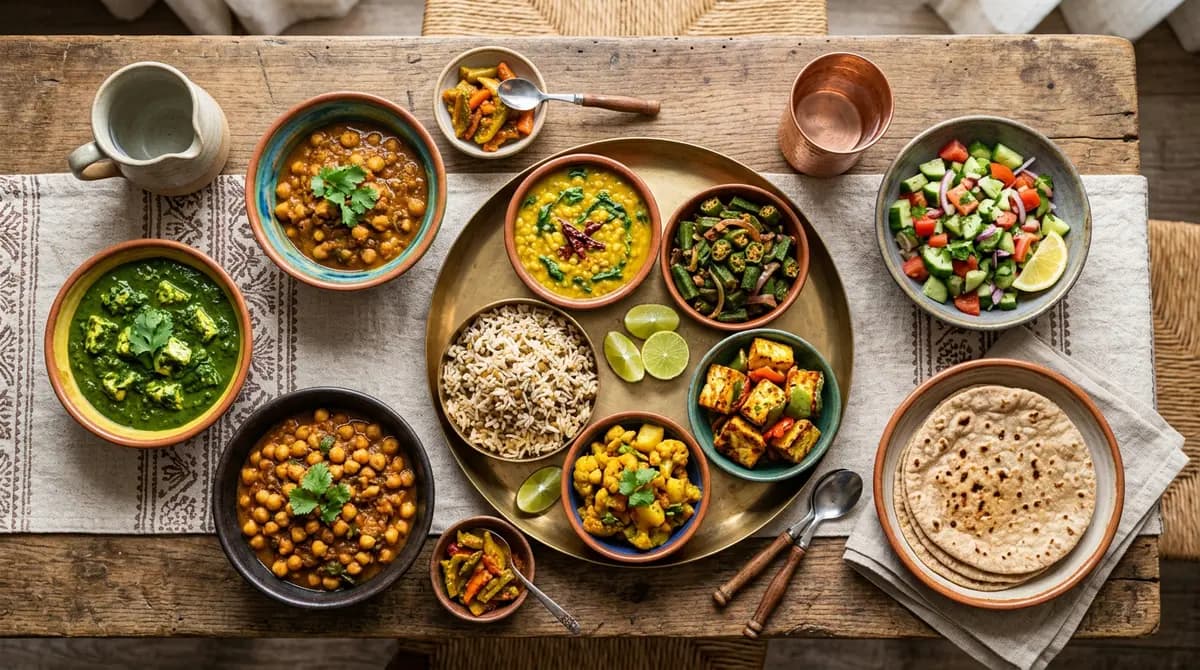
⚡ Common Struggles
- Family meals, celebrations, and gatherings can make overeating more likely.5,7
- Fried foods and other higher-fat dishes can add calories quickly.5,7
- Sweetened drinks, desserts, and snack foods can raise added sugar intake.3,5,7
- Tracking works best with regular monitoring, but setbacks and inconsistent follow-through are common.5,6,7
🎯 Key Considerations
- Rice, grains, legumes, and starchy vegetables such as potatoes are sources of carbohydrates, which the body turns into glucose.3
- Choosing mostly whole grains and more fiber-rich foods can improve the overall balance of carbohydrate intake.2,3,5
- Foods and drinks high in added sugar should be limited, and sweetened beverages can add calories without much nutrition.3,5
- Healthier cooking methods such as baking or grilling instead of frying can help lower calories from fat.5,7
Why Calorie Tracking Matters for South Asian Diets
Good nutrition and regular physical activity help support health across life and can lower the risk of problems such as heart disease, type 2 diabetes, and obesity.2,4 A healthy eating plan should also take your cultural traditions and food preferences into account, so tracking does not have to mean giving up South Asian foods you enjoy.2 If weight loss is your goal, reducing calories from foods and beverages is part of the process, and using an app or online tracker can help you monitor food, activity, and weight over time.5,6,7 A practical starting point is to prioritize whole, healthy, and nutritious foods while building a routine you can maintain.1,5 If you have a condition such as diabetes, heart disease, or high blood pressure, or if you take medicines that affect weight, talk with a health care professional or registered dietitian for personalized guidance.3,5,6,7
💡 Pro Tips
- Use tracking to notice patterns in what you eat, drink, and do, not just a calorie total.5,6
- Keep favorite cultural foods in your routine, but avoid eating too much of them or having them too often.2
- Prioritize whole, healthy, and nutritious foods as your baseline.1,2
- Ask a health professional for personalized advice if you have a medical condition or take medicines that affect weight.5,6,7
Start tracking with a photo


Getting Started with Calorie Tracking for South Asian Meals
Start simple and focus on consistency. Online trackers and smartphone apps can help you record the foods and beverages you eat, your physical activity, and your weight.5,7 Successful long-term programs also emphasize monitoring eating and drinking habits regularly, setting specific goals, and checking progress over time.6 For South Asian meals, it can help to use the same tracking approach repeatedly so you can spot patterns you can actually maintain.5,6 Rather than aiming for a perfect log, build a repeatable routine with realistic goals and regular follow-up.5,6,7
💡 Pro Tips
- Start with one habit you can repeat, such as logging one meal each day.5,6
- Use an app or online tracker to record foods, beverages, activity, and weight.5,6,7
- Set specific, realistic goals so the habit is easier to keep.5,6
- Check your records regularly so you can catch setbacks early and get back on track.5,7
Managing Macros and Micronutrients in South Asian Cuisine
Carbohydrates are one of the body's main nutrients and are broken down into glucose, or blood sugar.3 Common carbohydrate foods include rice, grains, legumes, and starchy vegetables such as potatoes.3 A helpful target is to choose mostly whole grains instead of refined grains, eat foods with plenty of fiber, and limit foods and drinks with a lot of added sugar.2,3,5 Build meals around vegetables, fruits, whole grains, and protein foods such as beans, peas, lentils, nuts, seeds, soy products, seafood, eggs, poultry, or lean meats.2,5 When cooking, certain oils can fit into a healthy eating plan, but limiting saturated fat still matters, and baking or grilling instead of frying can help lower calories from fat.5,7
Overcoming Common Challenges in Tracking South Asian Food
Routine is usually easier than special occasions. Family and workplace gatherings can make overeating more likely, so setbacks are normal.5,7 If one meal is heavier than planned, regroup and return to your usual eating pattern as soon as you can.5,7 It may also help to eat only while sitting at a table and to keep higher-calorie snack foods and treats out of easy reach at home or work.5 When eating out or ordering in, choosing foods that are baked or grilled instead of fried and limiting sugar-sweetened drinks can support lower calorie intake.3,7
Advanced Tips for Sustainable Calorie Tracking
The best calorie-tracking routine is one you can maintain over time.5,6 A balanced eating plan, regular physical activity, adequate sleep, and stress relief can all support a weight that suits you and help build healthier habits for the long term.4 Successful programs usually include specific goals, daily monitoring, regular feedback, and support from family, friends, groups, or health professionals.5,6 Physical activity matters too: adults are generally advised to aim for at least 150 minutes a week of moderate-intensity aerobic activity plus muscle-strengthening activity on 2 or more days a week.5,8 Small amounts of exercise can still help, and activity can be broken into shorter chunks while you build the habit.8 If you have a chronic health condition or concerns about safety, check with your health care provider before starting a new activity routine.5,8
Your Action Checklist
essential
essential
Prioritize whole, healthy, and nutritious foods, and choose mostly whole grains and fiber-rich foods.1,2,3,5
essentialAim for at least 150 minutes of moderate-intensity activity each week plus muscle-strengthening activity on 2 or more days.5,8
recommendedKeep higher-calorie snack foods less visible and easier options more available at home or work.5
optionalCommon Mistakes to Avoid
✗Letting fried foods become routine instead of choosing baked or grilled options more often.7
Frequently Asked Questions
How do I accurately track calories for a complex homemade biryani with many ingredients?+
For a mixed dish like biryani, the most useful step is to track it consistently in your app or food log and keep using the same method over time. Tracking tools can help you monitor what you eat, review progress, and stay motivated.5,6,7 The main goal is regular monitoring that you can maintain, not a one-time perfect entry.6
What about festival foods and special occasion meals, which are often rich and indulgent?+
Healthy eating does not mean you can never have favorite foods. You can include them, but try not to eat too much of them or have them too often, and balance them with healthier foods and regular physical activity.2,4,5 If you overeat at a celebration, regroup and return to your usual plan as soon as you can.5,7
Many South Asian vegetarian meals rely heavily on potatoes. How can I manage this?+
Potatoes are starchy vegetables and a source of carbohydrates.3 If potato-heavy dishes are a regular part of your meals, focus on the overall balance of your day: choose more vegetables and other fiber-rich foods, and include protein foods such as beans, peas, lentils, nuts, seeds, eggs, fish, or lean meats if you eat them.2,3,5
Is it okay to use cooking oil if I'm trying to cut calories?+
How can I track when my family cooks different meals every day and I don't know the exact ingredients?+
Keep using a tracker or app to record what you eat and drink as consistently as possible.5 Successful programs emphasize regular monitoring of eating and drinking habits, realistic goals, and ongoing feedback or review of progress.6 A steady routine is more useful than waiting for perfect conditions before you start.5,6
I have a family history of diabetes. How does calorie tracking specifically help me?+
Good nutrition and healthy eating can lower the risk of health problems, including type 2 diabetes.2 Carbohydrates are broken down into glucose, and foods or drinks high in added sugar can raise blood sugar.3 Tracking tools can help you keep a record of what you eat and drink, while a health care professional can help tailor a plan to your health needs and goals.5,6
References
- Dietary Guidelines for Americans, 2025-2030 — U.S. Department of Agriculture and U.S. Department of Health and Human Services
- Nutrition — MedlinePlus
- Carbohydrates — MedlinePlus
- Healthy Eating & Physical Activity for Life — National Institute of Diabetes and Digestive and Kidney Diseases
- Eating & Physical Activity to Lose or Maintain Weight — National Institute of Diabetes and Digestive and Kidney Diseases
- Choosing a Safe & Successful Weight-loss Program — National Institute of Diabetes and Digestive and Kidney Diseases
- Weight Control — MedlinePlus
- Exercise and Physical Fitness — MedlinePlus
Start tracking with a photo