
Calorie Tracking for Arthritis
A practical guide to using calorie awareness as part of arthritis self-care, with a focus on healthy weight, balanced eating, regular physical activity, and working with your health care provider.
GAYA Editorial TeamReferences
⚡ Common Struggles
- Joint pain and stiffness can make everyday routines harder to manage.3
- Arthritis can limit function, so building regular activity into your week may feel challenging.1,2,4
- Weight management is often part of arthritis self-care, which can make food choices feel especially important.2,3,5
- Strict diet advice can be overwhelming, but healthy eating guidance emphasizes balance, variety, and habits you can maintain.6,7
🎯 Key Considerations
- Keep calorie goals tied to a healthy eating plan that provides enough energy and nutrients each day.6,7
- If your activity changes because of joint pain or other symptoms, revisit your overall plan and get personalized advice when needed.1,3,8
- Use calorie awareness to support a healthy weight, since weight management is one of the key parts of arthritis self-care.2,3,5
- Pair food choices with regular physical activity, because eating patterns and movement both matter for weight management.5,7
Why Calorie Tracking Matters for Arthritis
Managing weight is one of the main parts of arthritis self-care. Keeping a healthy weight can help slow arthritis symptoms from getting worse, and for adults who have overweight or obesity, even a small amount of weight loss can help reduce arthritis-related pain and disability.2,3
Regular physical activity also helps people with arthritis reduce pain and improve function, mood, and quality of life. Since eating patterns and physical activity both play important roles in weight management, calorie tracking can be a practical way to stay aware of your overall plan.1,5,7
The goal is not to follow a very strict diet. Healthy eating means choosing foods and beverages that give your body the energy and nutrients it needs every day, while building habits you can keep up over time.6,7
💡 Pro Tips
- Keep weight goals realistic. If you have overweight or obesity, even a small amount of weight loss can help reduce arthritis-related pain and disability.2
- Use calorie tracking to support a balanced eating plan rather than a highly restrictive diet.6,7
- Treat calorie tracking as one part of a bigger arthritis self-care plan that also includes movement and regular medical care.2,3,5
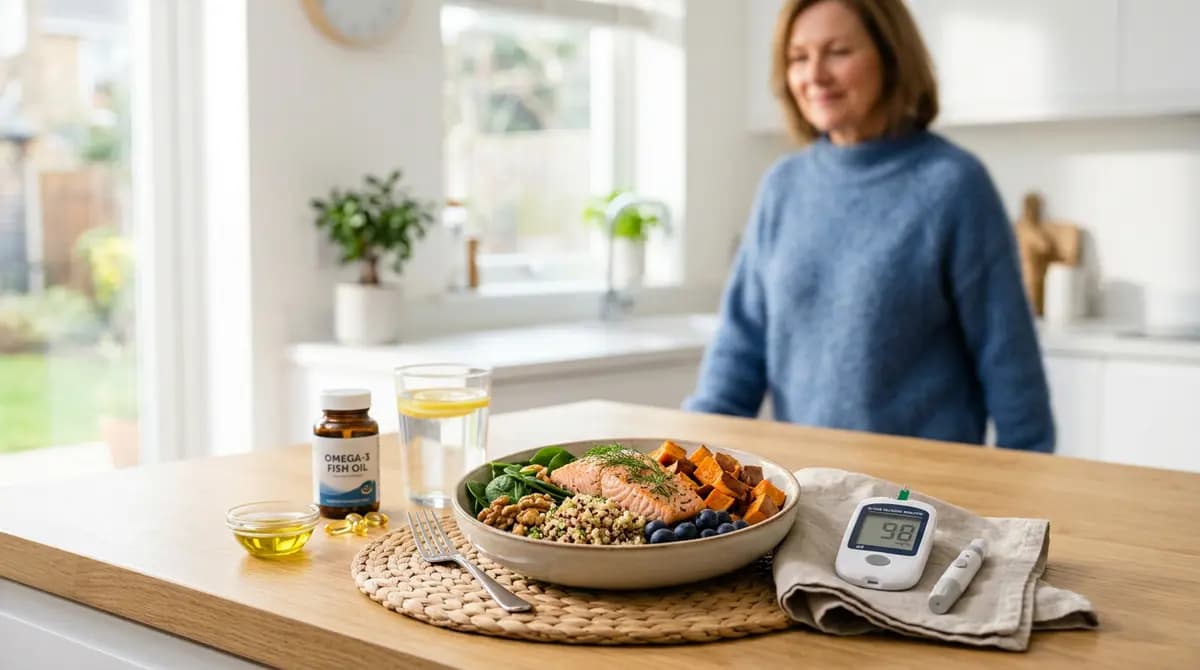
Start tracking with a photo


Getting Started with Calorie Tracking
Before making major changes, talk with a health care provider if you want personalized recommendations, especially if your symptoms are changing or severe.1,3 Your provider can help you fit your eating and activity plan into your overall arthritis care.2,3
As you begin tracking, keep the focus on the basics of healthy eating: a variety of foods, including vegetables, fruits, whole grains, lean meats, poultry, fish, beans, low-fat dairy, fiber, and water, while limiting added sugars, saturated fat, salt, and alcohol.6
It also helps to think about food and activity together. Healthy eating combined with regular physical activity supports reaching and maintaining a weight that suits you, and arthritis-friendly activity can often be built up a little at a time.1,5,7
💡 Pro Tips
- Ask a health care provider for personalized recommendations before making major diet or activity changes.1,3
- Build your calorie plan around a healthy eating pattern that supplies daily energy and nutrients.6,7
- Start simply and choose a tracking routine you can keep up with over time.7
- If pain or other symptoms change what you can do, revisit your plan and seek guidance when needed.1,8
Managing Macros and Anti-Inflammatory Foods
A helpful starting point is to focus on your overall eating pattern. A healthy eating plan should provide energy and nutrients each day, and it should be realistic for your preferences, traditions, and budget.6
Current healthy eating guidance emphasizes variety: vegetables, fruits, whole-grain products, lean meats, poultry, fish, beans, and low-fat dairy products. It also recommends getting enough fiber, drinking plenty of water, and limiting salt, added sugars, alcohol, and saturated fat.6
Healthy eating does not mean you can never eat favorite foods. It is usually more sustainable to balance less healthy choices with healthier foods and regular physical activity than to aim for perfection.6,7
💡 Pro Tips
Overcoming Common Challenges with Arthritis
When arthritis makes routines harder, one common challenge is staying active consistently. Current guidance emphasizes that physical activity is safe for people with arthritis, and it can reduce pain and improve function and mood.1,2
If movement feels difficult, start slowly. Short sessions of 5 or 10 minutes can still be beneficial, and joint-friendly activities such as walking, cycling, tai chi, swimming, and water exercise can be good options.1,8 Choose activities that are enjoyable, easy to access, and cause little or no joint pain so they are easier to stick with.1
You do not have to manage everything on your own. Self-management education and physical activity programs for arthritis can help people learn skills to manage pain, exercise safely, and cope with fatigue, stress, and decisions about their health.2,4
💡 Pro Tips
- Start slowly and build up activity in small amounts over time.1,8
- Choose joint-friendly activities you enjoy and can do comfortably.1,8
- Look into arthritis self-management education or physical activity programs for extra support.2,4
- Contact a health care provider if pain or other symptoms are severe or if activity keeps making symptoms worse.1,3,8
Advanced Tips for Sustainable Tracking
Long term, calorie tracking works best when you see it as one piece of a broader self-care routine. Key parts of arthritis management include learning self-management skills, being physically active, managing your weight, protecting your joints, and talking with a health care provider about symptoms.2,3
Healthy habits also work together. A balanced eating plan, regular physical activity, adequate sleep, and stress relief may help you reach and maintain a weight that suits you, while physical activity can improve function, mood, and quality of life.4,5,7
If your activity level changes because of joint pain or other symptoms, adjust safely and ask for personalized guidance when needed. People vary in how much physical activity they need for weight management, so a flexible plan is often more realistic than a rigid one.1,5,8
💡 Pro Tips
- Pair calorie awareness with regular physical activity, since both affect weight management.5,7
- Include sleep and stress relief in your overall routine, not just food and exercise.4,7
- Use self-management skills and community programs for ongoing support.2,4
- Ask for personalized advice when symptoms, function, or activity levels change.1,3,8
Your Action Checklist
Talk with a health care provider for personalized recommendations before making major diet or activity changes.1,3
essentialKeep a healthy weight in mind as part of arthritis self-care; even small weight loss can help if you have overweight or obesity.2,3
essentialBase your calorie choices on a healthy eating plan with vegetables, fruits, whole grains, lean proteins, fiber, and water.6
essentialrecommended
Common Mistakes to Avoid
Frequently Asked Questions
Does losing weight really help with arthritis pain?+
What foods should I focus on if I have arthritis and am tracking calories?+
Focus on an overall healthy eating pattern: vegetables, fruits, whole grains, lean meats, poultry, fish, beans, low-fat dairy, enough fiber, and water. It also helps to limit added sugars, saturated fat, salt, and alcohol.6
How should I handle calorie tracking when joint pain changes my activity?+
When pain changes how much you can move, revisit your overall plan and focus on safe, joint-friendly activity. Start slowly, break activity into short sessions if needed, and ask a health care provider for personalized guidance if symptoms are changing or severe.1,3,8 Eating patterns and physical activity both matter for weight management.5
Can I still track calories if exercise is difficult?+
What else besides calories helps manage arthritis?+
Arthritis self-care includes more than food. Key steps include learning self-management skills, being physically active, managing your weight, protecting your joints, and talking with your health care provider. Self-management programs can also help with pain, fatigue, stress, and health decisions.2,3,4
How do I make calorie tracking more sustainable long term?+
References
- About Physical Activity and Arthritis — Centers for Disease Control and Prevention
- Self-Care for Arthritis: Five Ways to Manage Your Symptoms — Centers for Disease Control and Prevention
- Arthritis Basics — Centers for Disease Control and Prevention
- Physical Activity and Self-Management Education Programs for Arthritis — Centers for Disease Control and Prevention
- Benefits of Physical Activity — Centers for Disease Control and Prevention
- Nutrition — MedlinePlus
- Healthy Eating & Physical Activity for Life — National Institute of Diabetes and Digestive and Kidney Diseases
- Staying Active at Any Size — National Institute of Diabetes and Digestive and Kidney Diseases
Start tracking with a photo