
Calorie Tracking for Gut Health & Microbiome
Unlock the secrets to a thriving gut and optimal health with this comprehensive guide on calorie tracking tailored for microbiome support. Learn how mindful nutrition, beyond just numbers, can cultivate a balanced gut ecosystem, reduce inflammation, and enhance overall well-being for a healthier you.

⚡ Common Struggles
- Difficulty accurately tracking complex, high-fiber plant-based diets common in gut-friendly eating.
- Concerns that calorie restriction might inadvertently limit diverse nutrient intake essential for microbiome diversity.
- Struggling to reconcile calorie goals with managing digestive symptoms like bloating or IBS, which can affect perceived intake.
- Overwhelmed by distinguishing between 'good' and 'bad' calories when the focus is on microbial nourishment rather than just weight.
🎯 Key Considerations
- The net caloric impact of high-fiber foods may be lower than stated due to reduced absorption and fermentation by gut bacteria.
- The importance of non-caloric compounds like prebiotics and polyphenols in promoting beneficial gut bacteria, often overlooked in pure calorie counting.
- How gut dysbiosis can impact nutrient absorption and energy extraction from food, potentially altering effective calorie intake.
- The role of specific fatty acids (e.g., short-chain fatty acids produced by bacteria) that contribute to satiety and metabolic health, but aren't directly tracked as calories.
Why Calorie Tracking Matters for Your Gut Health
💡 Pro Tips
- Focus on the 'quality' of calories: prioritize whole, unprocessed foods rich in fiber and diverse nutrients.
- Note gut symptoms (bloating, gas, regularity) alongside your calorie entries to identify food-symptom correlations.
- Use tracking to ensure adequate, not just minimal, caloric intake to support metabolic processes and microbial diversity.
- Recognize that fiber-rich foods might feel more filling at lower calorie densities, aiding satiety without overconsumption.
Start tracking with a photo
GAYA makes calorie tracking effortless — snap a photo and get instant nutrition data. Perfect for gut health & microbiome.
Download GAYA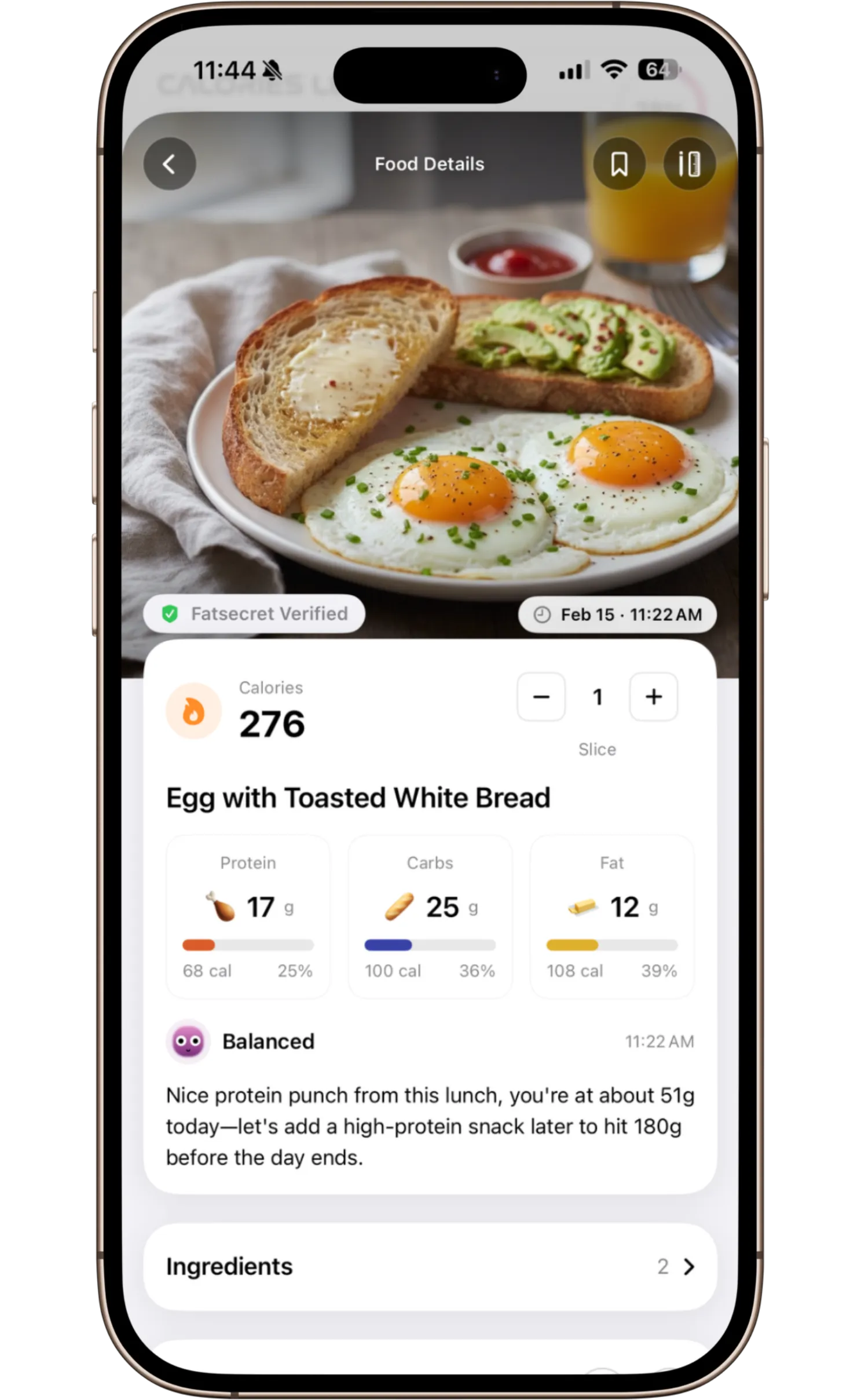
Getting Started: Foundational Steps for Gut-Focused Tracking
💡 Pro Tips
- Calculate your estimated TDEE, but remain flexible, as gut health can influence actual energy needs.
- Prioritize logging all ingredients, especially those in home-cooked meals, to capture full nutritional data including fiber.
- Track for at least 3-5 days, including weekdays and weekends, to get a representative average of your intake.
- Don't aim for perfection initially; focus on consistent logging to build awareness.
Mastering Macronutrients for a Thriving Microbiome
💡 Pro Tips
- Prioritize a wide range of complex carbohydrates – aim for 25-35g of diverse fiber daily from various plant sources.
- Ensure adequate protein intake (e.g., 0.8-1.2g/kg body weight) from lean, digestible sources to support gut repair.
- Focus on healthy fats like omega-3s and monounsaturated fats, and track their sources, not just their caloric contribution.
- Consider tracking fermentable carbohydrates (FODMAPs) if you experience digestive sensitivities, but only under guidance.
Overcoming Common Challenges in Gut-Focused Calorie Tracking
💡 Pro Tips
- Pre-log meals or plan restaurant choices to minimize tracking guesswork during social events.
- Use the 'quick add' feature for common, simple foods you eat regularly to save time.
- Don't let occasional estimation errors or symptom flares deter you; focus on the overall trend and learning.
- If following a specific diet (e.g., low-FODMAP), use its guidelines to inform food choices while still tracking calories.
Advanced Strategies for Optimizing Gut Health Through Nutrition
💡 Pro Tips
- Review your tracking data weekly to identify patterns, such as optimal fiber intake or common food triggers.
- Experiment with incorporating fermented foods (e.g., kefir, kimchi) and track their impact on your gut symptoms.
- Consider integrating personalized insights from microbiome tests to refine your food choices and caloric distribution.
- Practice mindful eating alongside tracking to better understand your body's hunger, fullness, and digestive responses.
Your Action Checklist
Common Mistakes to Avoid
Frequently Asked Questions
Does fiber count towards my daily calorie goals for gut health?+
Yes, fiber does contribute to your daily calorie goals, but its net caloric impact is often lower than other carbohydrates. While fiber is a carbohydrate, much of it is not digested and absorbed in the small intestine but rather fermented by gut bacteria in the colon. This fermentation process yields short-chain fatty acids (SCFAs), which provide some energy but typically less than fully absorbed carbohydrates, making fiber a 'lower net calorie' carbohydrate for many.
How does my gut microbiome affect my metabolism and calorie absorption?+
Your gut microbiome plays a significant role in your metabolism and how efficiently you absorb calories. Beneficial gut bacteria can help extract energy from otherwise indigestible fibers, producing SCFAs that influence satiety and energy regulation. Conversely, an imbalanced microbiome (dysbiosis) can impair nutrient absorption, contribute to inflammation, and potentially alter metabolic pathways, impacting how your body stores or burns fat, even at the same caloric intake.
Can calorie tracking help identify 'trigger foods' for my gut issues?+
Absolutely. Calorie tracking, when combined with detailed symptom logging, is a powerful tool for identifying potential trigger foods. By consistently recording everything you eat, along with any subsequent digestive discomfort like bloating, gas, or pain, you can start to see patterns. This data-driven approach allows you to pinpoint specific foods or portion sizes that consistently provoke symptoms, helping you make informed dietary adjustments.
Should I adjust my calorie intake if I'm on a special gut-healing diet like low-FODMAP?+
If you're on a specialized gut-healing diet like low-FODMAP, it's especially important to monitor your calorie intake to ensure you're still meeting your nutritional needs. These diets can be restrictive and, if not carefully planned, might inadvertently lead to a reduction in total calories or essential nutrients. Always work with a healthcare professional or registered dietitian to ensure your low-FODMAP diet is nutritionally complete and aligns with your calorie goals for healing and maintenance.
Are probiotic supplements included in calorie tracking?+
Generally, probiotic supplements do not contain significant calories and are not typically included in daily calorie tracking. Their primary function is to introduce beneficial bacteria to the gut, not to provide energy. However, if a probiotic comes in a sweetened form (e.g., gummy or liquid with added sugars), those minimal calories might be worth noting if you are meticulously tracking, but for most purposes, they are negligible.
How can I ensure I'm getting enough diverse nutrients for my microbiome while tracking calories?+
To ensure diverse nutrient intake for your microbiome while tracking calories, shift your focus from merely calorie numbers to food quality and variety. Prioritize logging the types of foods you eat, ensuring a wide spectrum of plant-based foods – different colors of fruits and vegetables, various whole grains, and a mix of legumes. Pay specific attention to your fiber intake and the presence of prebiotics. GAYA can help by showing you macronutrient breakdowns, allowing you to see if you're hitting your fiber goals and diversifying your plant intake.
Start tracking with a photo
GAYA makes calorie tracking effortless — snap a photo and get instant nutrition data. Perfect for gut health & microbiome.
Download GAYA