
Life Stage

Calorie Tracking for Night Shift Workers

Navigating nutrition as a night shift worker presents unique challenges, from disrupted circadian rhythms to irregular meal times. This comprehensive guide offers tailored strategies for effective calorie tracking, helping you maintain energy, manage weight, and support your overall well-being despite an inverted schedule. Learn how to optimize your diet and tracking habits to thrive.

Calorie Tracking for Night Shift Workers

âš¡ Common Struggles

  • Irregular and unpredictable meal times make consistent tracking difficult.
  • Limited access to healthy, fresh food options during night hours.
  • Sleep deprivation and circadian rhythm disruption can increase hunger hormones and cravings.
  • Social disconnect from traditional meal patterns can lead to isolated eating or poor choices.

🎯 Key Considerations

  • Circadian rhythm disruption can alter metabolic rate and nutrient absorption efficiency.
  • Hormonal imbalances (e.g., ghrelin, leptin, cortisol) due to sleep deprivation can influence appetite and fat storage.
  • Increased risk of nutrient deficiencies (like Vitamin D) due to reduced sunlight exposure.
  • Difficulty distinguishing true hunger from fatigue or boredom during long, unconventional shifts.

Why Calorie Tracking Matters for Night Shift Workers

Working night shifts fundamentally alters your body's natural rhythms, impacting everything from hormone regulation to metabolism. Your circadian clock, designed for daytime activity and nighttime rest, gets a significant jolt, which can lead to increased inflammation, insulin resistance, and a propensity for weight gain. Calorie tracking isn't just about weight management for night shift workers; it's a vital tool for understanding how your unique schedule influences your energy levels, mood, and long-term health. By diligently tracking your intake, you gain crucial insights into your actual consumption patterns, helping you identify nutritional gaps or excesses that might be contributing to fatigue or sluggishness during your shifts. It empowers you to make informed decisions, ensuring you're fueling your body effectively to combat the physiological stresses of working against your natural clock. This proactive approach can help mitigate the elevated risks of chronic conditions often associated with shift work, such as cardiovascular disease and type 2 diabetes.

💡 Pro Tips

  • Use tracking to identify patterns between certain foods and your energy levels during a shift.
  • Focus on consistent logging to build a clear picture of your unique nutritional needs.
  • View calorie tracking as a tool for self-awareness and control, not just restriction.

Start tracking with a photo

GAYA makes calorie tracking effortless — snap a photo and get instant nutrition data. Perfect for night shift workers.

Download GAYA
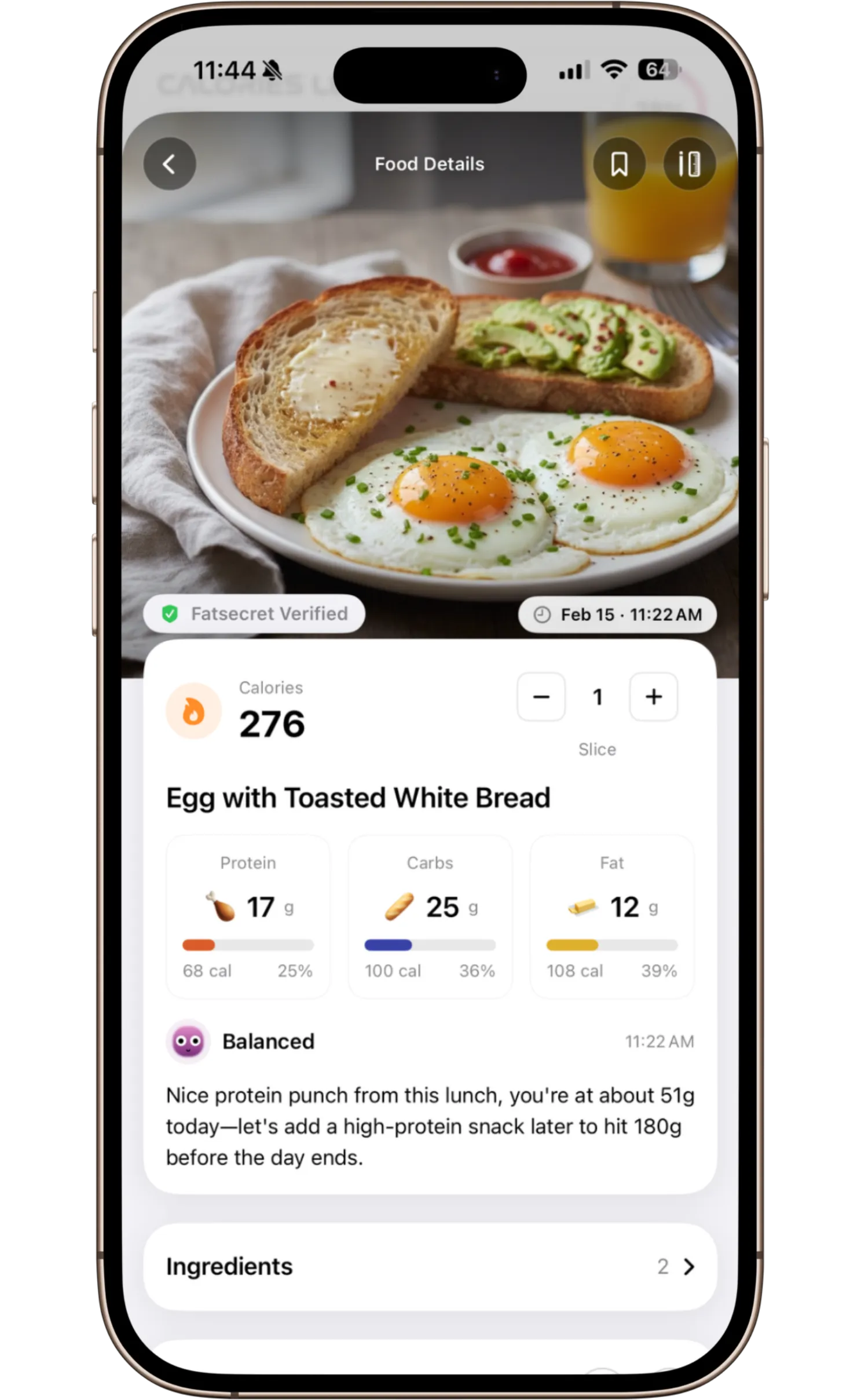
Photo food tracking with GAYA

Getting Started: Adapting Your Tracking Schedule

The biggest hurdle for night shift workers is defining what constitutes a 'day' for tracking purposes. Forget the traditional 24-hour calendar day; instead, define your 'tracking day' by your shift cycle. For example, your tracking day might begin when you wake up before your night shift and end when you go to sleep after your shift, regardless of whether it spans across two calendar dates. This approach provides a more accurate representation of your fuel intake relative to your activity and rest periods, preventing confusion and missed entries. Utilize apps like GAYA to log your meals and snacks immediately as you consume them, rather than trying to recall everything later. Pre-planning your meals and snacks for your entire 'tracking day' can dramatically improve consistency. Prepare and pack your food before your shift, making it easy to log precise portions and avoid last-minute, less healthy choices. This structured approach helps normalize your eating patterns within your inverted schedule.

💡 Pro Tips

  • Establish a 'tracking day' that aligns with your wake-sleep cycle, not the calendar.
  • Log all food and drink immediately after consumption to ensure accuracy.
  • Pre-pack and portion all your shift meals and snacks to simplify tracking.

Mastering Macronutrients for Sustained Energy

For night shift workers, the strategic timing and balance of macronutrients—proteins, carbohydrates, and fats—are paramount for maintaining energy, satiety, and focus. Prioritize lean proteins (chicken, fish, legumes, eggs) throughout your 'tracking day,' especially before and during your shift. Protein helps stabilize blood sugar, promotes satiety, and supports muscle maintenance, all crucial for combating fatigue and hunger pangs that often arise during long, unconventional hours. Choose complex carbohydrates (whole grains, sweet potatoes, vegetables) for sustained energy release, particularly during your active shift hours. Avoid simple sugars and refined carbs, which can lead to energy spikes followed by crashes, exacerbating post-shift fatigue. Healthy fats (avocado, nuts, seeds) are also important for brain function and overall satiety. Remember to couple these nutritional strategies with consistent hydration, as dehydration can often be mistaken for hunger or fatigue. Aim for plain water, and limit excessive caffeine, especially closer to your post-shift sleep.

💡 Pro Tips

  • Prioritize lean protein with every meal to enhance satiety and stabilize energy.
  • Opt for complex carbohydrates over simple sugars to prevent energy crashes during shifts.
  • Incorporate healthy fats in moderation for brain health and sustained fullness.
  • Stay consistently hydrated throughout your 'tracking day' to combat fatigue.

Overcoming Common Challenges: Hunger, Cravings, and Fatigue

Night shift work often brings a unique set of challenges including heightened hunger, intense cravings, and pervasive fatigue, all of which can derail calorie tracking efforts. These symptoms are frequently linked to disrupted circadian rhythms and hormonal imbalances. To manage hunger effectively, focus on meals and snacks rich in fiber and protein, which promote sustained fullness. When cravings strike, try to identify if it's true hunger, boredom, or a desperate plea for energy; often, a glass of water or a short, brisk walk might be more effective than reaching for a sugary snack. Combating fatigue is crucial, as it often masquerades as hunger. Prioritize sleep hygiene during your off-hours by creating a dark, quiet, and cool sleep environment. If persistent fatigue or cravings are severely impacting your well-being or leading to unhealthy eating patterns, it is always recommended to consult with a healthcare provider or a registered dietitian. They can help rule out underlying medical conditions and provide personalized strategies to support your health journey.

💡 Pro Tips

  • Keep fiber-rich snacks (e.g., fruit, raw veggies, whole-grain crackers) readily available.
  • Plan for 'treat' foods in moderation to prevent intense restriction-induced cravings.
  • Distinguish between true hunger, boredom, or fatigue before reaching for food.
  • Implement strict sleep hygiene practices to minimize fatigue-driven eating.

Advanced Strategies for Optimal Health and Tracking

Once you've mastered the basics of adapting your tracking schedule and macronutrient balance, you can explore advanced strategies to further optimize your health as a night shift worker. Meal prepping in larger batches for your entire work week can save significant time and ensure you always have healthy, tracked options available, reducing reliance on less nutritious convenience foods. Leverage GAYA's features for custom meal logging and recipe saving to make tracking your prepped meals even more efficient and accurate. Consider smart supplementation, but always consult with a healthcare professional before adding any new supplements to your routine. For example, night shift workers often have lower Vitamin D levels due to reduced sun exposure, and a supplement might be beneficial. Regular review of your tracking data, perhaps weekly, allows you to identify trends, adjust your calorie goals as needed, and fine-tune your nutritional approach based on your energy levels and how you feel. Ultimately, listen to your body and be flexible; your needs may shift, and your tracking should evolve with them.

💡 Pro Tips

  • Dedicate time to meal prep for all your shift meals to ensure consistent, healthy options.
  • Utilize GAYA's custom meal features for accurate logging of your unique recipes.
  • Consult your doctor about potential nutrient deficiencies (e.g., Vitamin D) and appropriate supplementation.
  • Periodically review your tracking data to identify patterns and refine your nutritional strategy.

Your Action Checklist

Define your 'tracking day' based on your shift cycle, not calendar day.
essential
Log all food and beverages immediately as consumed.
essential
Ensure consistent hydration with water throughout your 'tracking day'.
essential
Pre-plan and prepare all your meals and snacks for your upcoming shifts.
recommended
Prioritize lean protein and fiber with every meal to enhance satiety.
recommended
Review your tracking data weekly to identify patterns and adjust your approach.
recommended
Experiment with strategic fasting windows (e.g., during your sleep period) if comfortable.
optional
Consult a registered dietitian for a personalized nutrition plan tailored to your shift schedule.
optional

Common Mistakes to Avoid

✗Tracking based on a 24-hour calendar day instead of a personalized 'shift day' cycle.
✗Skipping meals due to lack of time or access, leading to extreme hunger and overeating later.
✗Relying heavily on processed, high-sugar, or high-fat convenience foods from vending machines or fast food during shifts.
✗Underestimating calories from late-night snacks, energy drinks, or sweetened coffee consumed to stay awake.
✗Not accounting for the metabolic impact of sleep deprivation and stress, which can alter perceived calorie needs and hunger cues.

Frequently Asked Questions

How do I define my 'day' for calorie tracking when I work nights?+

Instead of a calendar day, define your 'tracking day' by your wake-sleep cycle. It typically starts when you wake up before your night shift and ends when you go to sleep after your shift, regardless of spanning two calendar dates. This ensures all food consumed within one active period is grouped together.

What are the best types of foods to eat during my night shift to stay energized?+

Focus on nutrient-dense foods that provide sustained energy. Prioritize lean proteins (chicken, fish, eggs), complex carbohydrates (whole grains, vegetables), and healthy fats (avocado, nuts). These help stabilize blood sugar and prevent energy crashes, unlike sugary or highly processed options.

Is it okay to eat right before I go to sleep after my shift?+

It's generally recommended to finish eating 2-3 hours before you plan to sleep to aid digestion and sleep quality. However, for night shift workers, a small, easily digestible, protein-rich snack might be acceptable if you're truly hungry, as long as it doesn't disrupt your sleep. Listen to your body and experiment.

How can I stop cravings for unhealthy snacks during my shift?+

Cravings often stem from fatigue, boredom, or fluctuating blood sugar. Combat them by ensuring your main meals are balanced with protein and fiber, staying well-hydrated, and having healthy, pre-portioned snacks readily available. Sometimes, a short break or a different activity can also help distract from a craving.

Should I adjust my calorie goals on my days off?+

Yes, it's often beneficial to adjust your calorie goals on days off. Your activity levels might differ, and your body might be trying to recalibrate its circadian rhythm. You may need slightly fewer calories if you're less active, or your macronutrient distribution might shift to support more rest and recovery.

Does shift work affect my metabolism, and how does that impact my calorie needs?+

Yes, shift work can disrupt your metabolism due to misaligned circadian rhythms, potentially leading to reduced metabolic rate, altered hormone levels, and insulin resistance. This can mean your body processes calories differently, and you might need to be more mindful of your intake and food choices compared to someone on a conventional schedule. Consistent tracking helps you understand your unique metabolic response.

Start tracking with a photo

GAYA makes calorie tracking effortless — snap a photo and get instant nutrition data. Perfect for night shift workers.

Download GAYA
Photo food tracking with GAYA

Related Guides