
Calorie Tracking for Post-Surgery Recovery
Navigating post-surgery recovery requires precise nutritional support to facilitate healing, regain strength, and prevent complications. This comprehensive guide empowers individuals to optimize their recovery journey through smart, empathetic calorie tracking, ensuring every bite contributes to their well-being.

⚡ Common Struggles
- Difficulty knowing true calorie needs amidst fluctuating appetite and energy levels.
- Struggling with nausea or specific dietary restrictions that make food tracking challenging.
- Fear of consuming the 'wrong' foods and inadvertently hindering the crucial healing process.
- Fatigue and discomfort making consistent meal preparation and diligent tracking feel overwhelming.
🎯 Key Considerations
- Increased metabolic demands for tissue repair, immune function, and inflammation management.
- Potential for altered digestion or absorption of nutrients due to surgery or post-operative medications.
- Specific dietary restrictions (e.g., soft foods, low fiber, clear liquids) depending on the type and stage of surgery.
- Crucial role of adequate protein and specific micronutrients (like Vitamin C and Zinc) in wound healing.
Why Calorie Tracking Matters for Post-Surgery Recovery
💡 Pro Tips
- Understand that your body's energy needs are elevated post-surgery for repair and recovery.
- Calorie tracking helps prevent malnutrition, which can severely impede healing and immunity.
- Use tracking to ensure adequate protein intake, vital for tissue regeneration and muscle preservation.
- It provides objective data to discuss with your surgeon or dietitian about your progress.
Start tracking with a photo
GAYA makes calorie tracking effortless — snap a photo and get instant nutrition data. Perfect for post-surgery recovery.
Download GAYA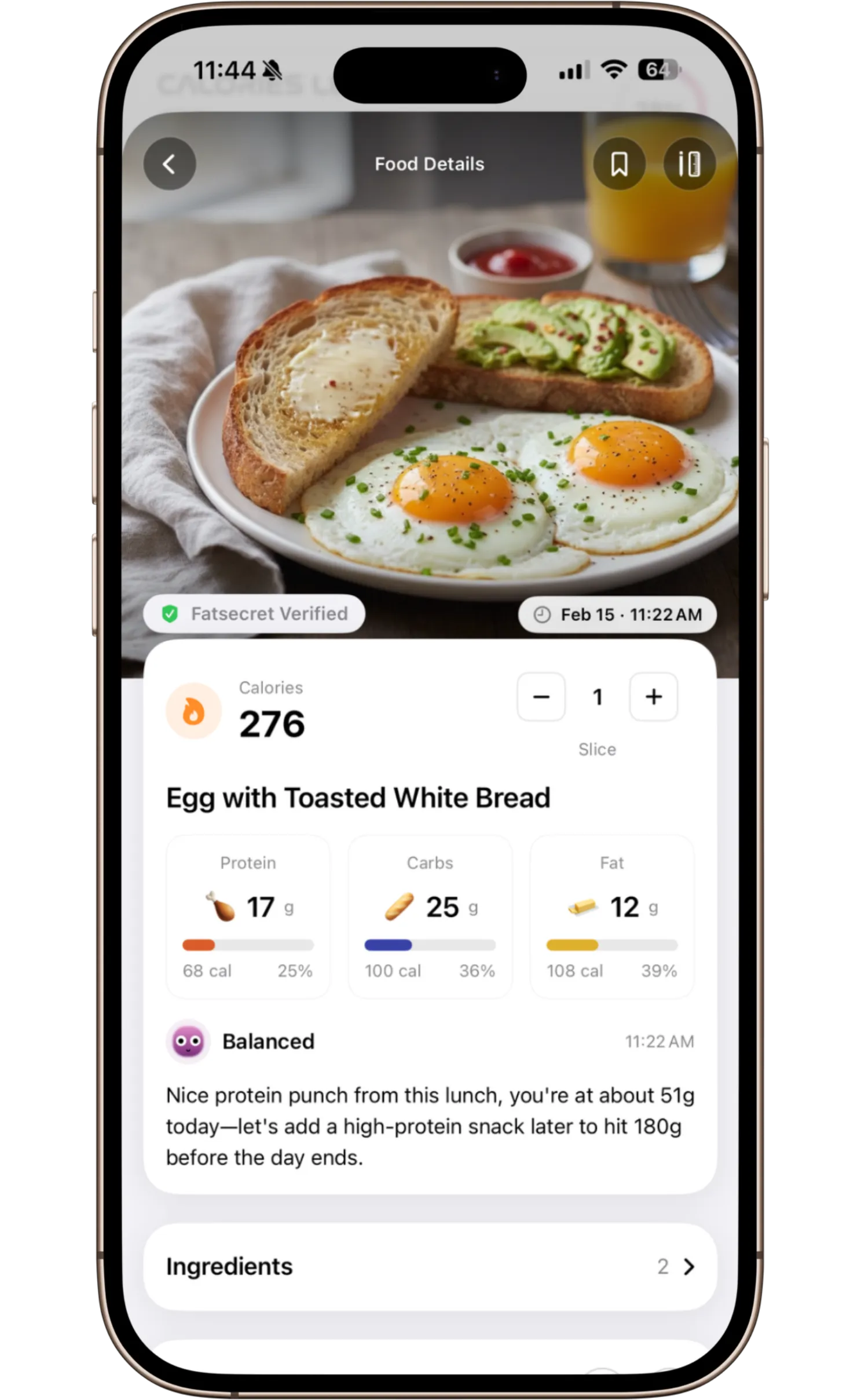
Getting Started with Calorie Tracking Post-Surgery
💡 Pro Tips
- Always consult your surgeon or a registered dietitian before starting any dietary changes or tracking.
- Begin tracking slowly, perhaps just one or two meals a day, to ease into the habit.
- Prioritize hydration, as adequate fluid intake is crucial for healing and often overlooked.
- Focus on nutrient-dense, easily digestible soft foods, especially in the early stages of recovery.
Managing Macronutrients for Optimal Healing
💡 Pro Tips
- Prioritize protein intake (e.g., lean meats, fish, eggs, legumes) to support wound healing and muscle preservation.
- Choose complex carbohydrates (e.g., whole grains, fruits, vegetables) for sustained energy without blood sugar spikes.
- Incorporate healthy fats (e.g., avocados, nuts, olive oil) to reduce inflammation and aid nutrient absorption.
- Consider small, frequent meals to optimize nutrient absorption and prevent digestive discomfort, especially post-op.
Overcoming Common Challenges in Post-Surgery Calorie Tracking
💡 Pro Tips
- When appetite is low, prioritize nutrient-dense liquids like protein shakes or blended soups.
- If experiencing nausea, opt for bland, easily digestible foods and eat smaller, more frequent meals.
- Schedule meals around medication times to minimize side effects on appetite and digestion.
- Don't be afraid to ask your healthcare team for anti-nausea medication or tailored dietary advice.
Advanced Tips for Sustained Recovery & Well-being
💡 Pro Tips
- Gradually reintroduce a wider variety of foods as your digestive system recovers and your doctor approves.
- Incorporate gentle, doctor-approved physical activity to rebuild strength and improve appetite.
- Pay attention to mindful eating cues – hunger, fullness, and satisfaction – as you heal and progress.
- Consider long-term nutritional planning with a dietitian to support sustained health and prevent recurrence of issues.
Your Action Checklist
Common Mistakes to Avoid
Frequently Asked Questions
How do my calorie needs change after surgery?+
After surgery, your body's metabolic rate significantly increases as it works to repair tissues, fight inflammation, and rebuild strength. This means your calorie needs are typically higher than your pre-surgery baseline. Your specific needs will depend on the type of surgery, your individual healing process, and any complications, making professional guidance crucial.
What if I have no appetite?+
It's very common to experience a reduced appetite post-surgery due to pain, medications, or stress. Focus on consuming small, frequent meals of nutrient-dense, easily digestible foods. Liquid nutrition like protein shakes, smoothies, or broths can be helpful. Always prioritize hydration and discuss persistent appetite loss with your doctor or dietitian.
Is it okay to eat 'comfort foods'?+
While occasional comfort foods might offer psychological relief, your body primarily needs nutrient-dense foods for optimal healing. Prioritize protein, whole grains, fruits, and vegetables to fuel recovery. If you indulge, do so in moderation and ensure it doesn't displace essential nutrients. Discuss specific cravings or dietary concerns with your healthcare provider.
How long should I track calories?+
The duration of calorie tracking depends on your individual recovery journey and your healthcare team's recommendations. Initially, it might be crucial for several weeks or months to ensure adequate healing and nutrient intake. As you regain strength and establish healthy eating habits, you might transition to more intuitive eating, but periodic tracking can always be beneficial for monitoring.
Can tracking interfere with my medication schedule?+
Calorie tracking itself doesn't interfere with medication schedules, but your medication's side effects (like nausea or altered taste) can impact your ability to eat and track. It's often beneficial to time your meals around medication to minimize discomfort and ensure consistent intake. Always discuss any potential food-drug interactions or persistent side effects with your doctor or pharmacist.
What about fluid intake and calories?+
Fluid intake is paramount for post-surgical recovery, aiding digestion, nutrient transport, and preventing dehydration. While plain water contains no calories, caloric beverages like juices, milk, or fortified drinks contribute to your overall intake. Ensure you're tracking all fluids that provide calories, but prioritize plain water for hydration unless otherwise advised by your medical team.
Start tracking with a photo
GAYA makes calorie tracking effortless — snap a photo and get instant nutrition data. Perfect for post-surgery recovery.
Download GAYA