
Calories in Blue Cheese
Blue cheese is a sharp, salty cheese characterized by veins of blue or green mold. It is a nutrient-dense dairy product high in protein, calcium, and healthy fats, though it is also high in sodium.
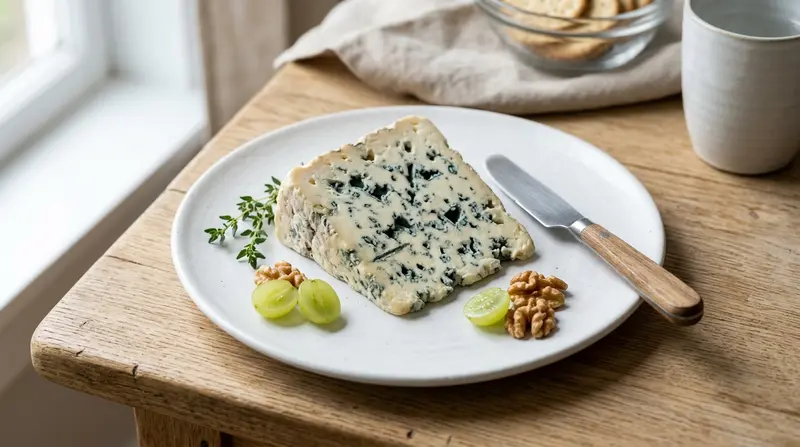
Track Blue Cheese calories with just a photo
Snap a photo of your food — GAYA calculates calories, protein, carbs, and fat in seconds.
Download GAYA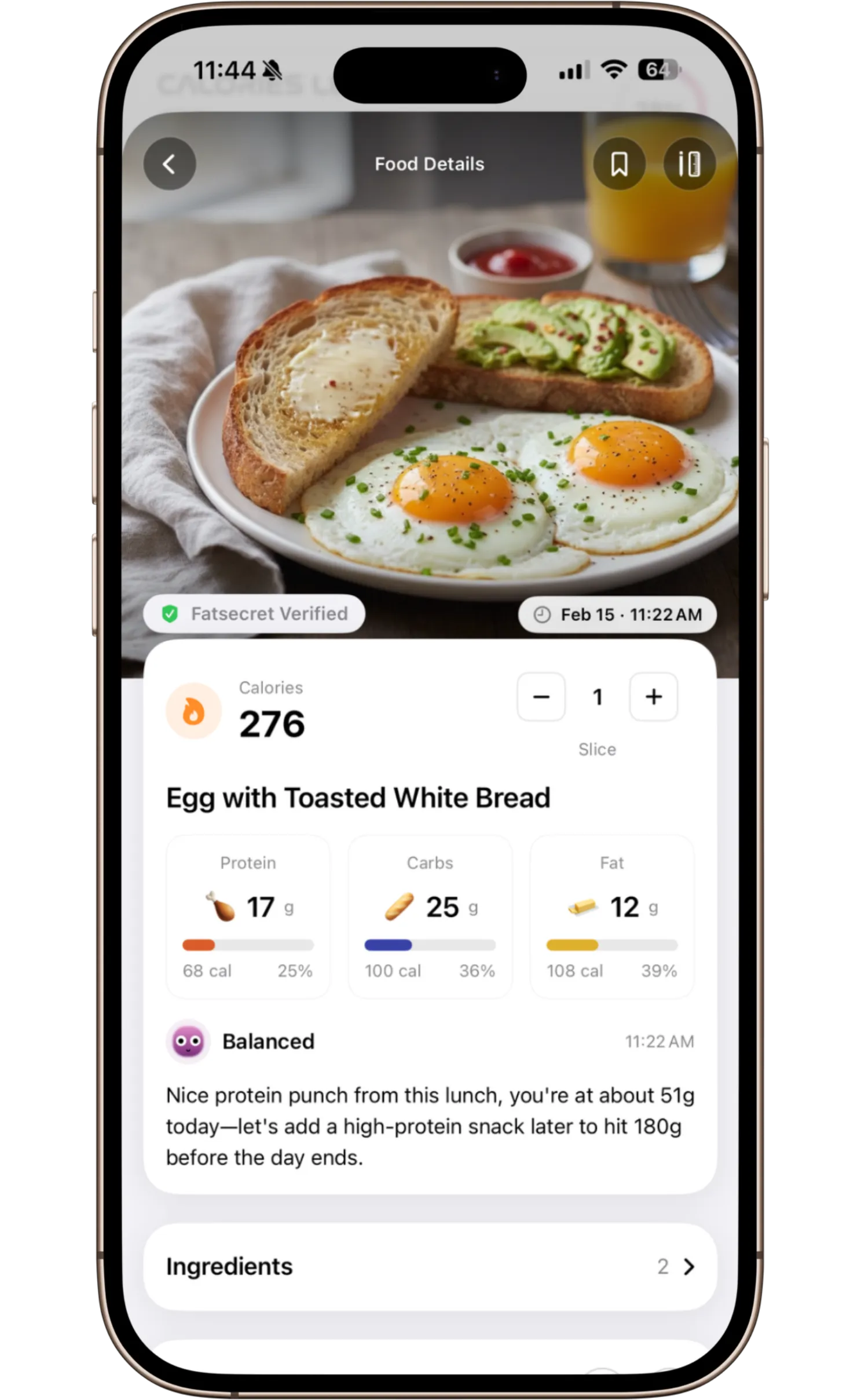
Common Variations
| Variation | Serving | Calories | Protein | Carbs | Fat |
|---|---|---|---|---|---|
| 1 oz (28g) | 1 oz (28g) | 100 | 6.1g | 0.7g | 8.2g |
| 100 g | 100 g | 353 | 21.4g | 2.3g | 28.7g |
| 1 cubic inch (17g) | 1 cubic inch (17g) | 60 | 3.6g | 0.4g | 4.9g |
Health Benefits
Supports Bone Health: High calcium and phosphorus levels contribute to bone density.
High-Quality Protein: Provides essential amino acids necessary for muscle repair.
Potential Anti-inflammatory Effects: Certain compounds formed during ripening may help reduce inflammation.
Nutrition Tips
- Due to its high sodium content, use blue cheese sparingly if you are monitoring your salt intake.
- Because it is very flavorful, a small amount (1 oz) is often enough to season an entire salad.
- It is an excellent source of calcium, which is vital for maintaining strong bones.
- The fermentation process creates bioactive peptides that may support cardiovascular health.
- Pair it with fiber-rich fruits like pears or apples to balance the meal's nutritional profile.
GAYA Tracking Tip
When logging crumbles, use a tablespoon for scale in your photo; GAYA can better estimate the volume of irregular shapes when a reference object is present.
Frequently Asked Questions
Is the mold in blue cheese safe to eat?+
Yes, the mold (Penicillium roqueforti) used in blue cheese is safe for consumption and does not produce toxins like common food molds.
Is blue cheese high in lactose?+
Blue cheese is relatively low in lactose because much of it is converted into lactic acid during the cheese-making process, making it tolerable for some with sensitivities.
How should I store blue cheese to keep it fresh?+
Store it in the refrigerator wrapped in parchment paper and then loosely in foil to allow it to breathe while preventing it from drying out.
Track Blue Cheese calories with just a photo
Snap a photo of your food — GAYA calculates calories, protein, carbs, and fat in seconds.
Download GAYA