
Sugar Intake Calculator
This Sugar Intake Calculator helps you understand your daily added sugar limits based on expert health guidelines from the WHO and AHA. It's designed for anyone looking to improve their diet, manage weight, or reduce health risks associated with excessive sugar consumption.
Let GAYA do the math for you
Snap a photo of your food — GAYA calculates calories, protein, carbs, and fat in seconds. No manual logging needed.
Download GAYA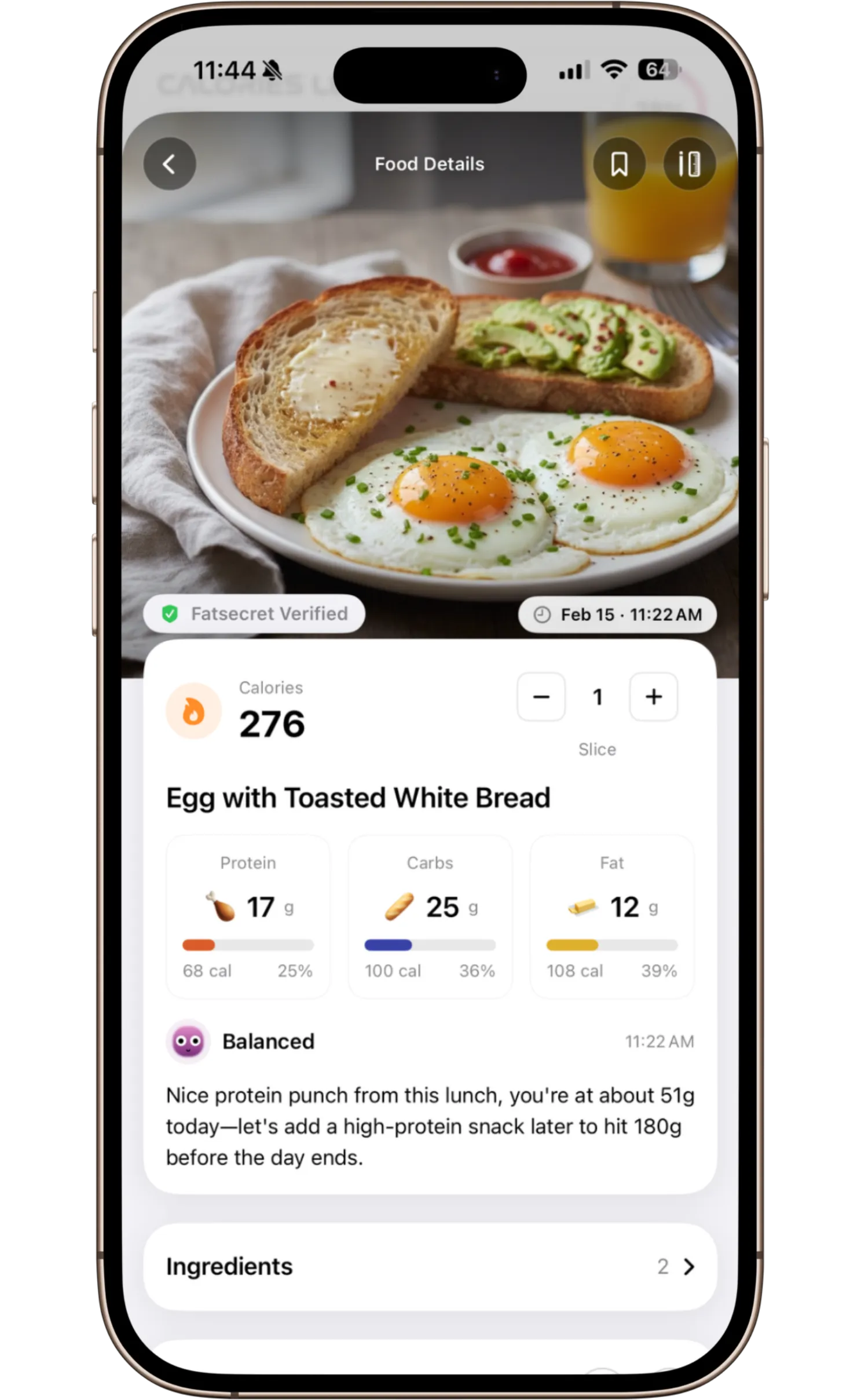
WHO & AHA guidelines (max 5-10% of daily calories from added sugar)
The World Health Organization (WHO) and American Heart Association (AHA) recommend limiting added sugar to a small percentage of your total daily calories. Specifically, they suggest keeping added sugar intake below 10% of your daily calories, with an even greater health benefit seen when limiting it to under 5%. This calculator uses your estimated daily calorie needs to determine a personalized gram-based target for added sugars, helping you stay within these recommended healthy ranges.
Understanding Your Added Sugar Limit
Applying Your Sugar Intake Target
Avoiding Common Sugar Tracking Pitfalls
Maximizing the Accuracy of Your Sugar Intake Tracking
Frequently Asked Questions
What's the difference between natural and added sugars?+
Natural sugars are inherent in whole foods like fruits and milk, providing energy along with essential nutrients and fiber. Added sugars are sweeteners put into foods during processing or preparation, offering empty calories with minimal nutritional benefit.
Why is it important to limit added sugar?+
Excessive added sugar intake contributes to weight gain, increases the risk of type 2 diabetes, heart disease, and dental cavities, and can lead to energy crashes. Limiting it supports overall health, stable energy levels, and disease prevention.
How do I find the added sugar content on food labels?+
On packaged foods, locate the 'Nutrition Facts' panel. Under the 'Total Carbohydrates' section, you will find a specific line item labeled 'Added Sugars,' usually listed in grams (g) per serving.
What are 'hidden sugars' and where can I find them?+
Hidden sugars are added to foods you might not expect, such as bread, sauces, salad dressings, breakfast cereals, and even savory snacks. They can appear under various names like corn syrup, dextrose, fructose, maltose, and sucrose.
Can I still eat fruit if I'm trying to reduce sugar?+
Absolutely! Fruits contain natural sugars but also provide essential fiber, vitamins, and antioxidants beneficial for health. The guidelines for limiting sugar primarily focus on *added* sugars, not the natural sugars found in whole fruits.
What if my calculated sugar limit seems too low?+
Your calculated limit reflects expert health recommendations for optimal well-being. If it feels low, start by making small, gradual changes, like swapping sugary drinks for water or reducing dessert portions. Your taste buds will adjust over time as you reduce your intake.
Let GAYA do the math for you
Snap a photo of your food — GAYA calculates calories, protein, carbs, and fat in seconds. No manual logging needed.
Download GAYA