
Carb Cycling Calculator
This Carb Cycling Calculator helps you strategically vary your carbohydrate intake to optimize fat loss, muscle gain, and energy levels. It's designed for fitness enthusiasts and individuals looking for a structured, flexible approach to macro management without feeling overly restricted.
Let GAYA do the math for you
Snap a photo of your food — GAYA calculates calories, protein, carbs, and fat in seconds. No manual logging needed.
Download GAYA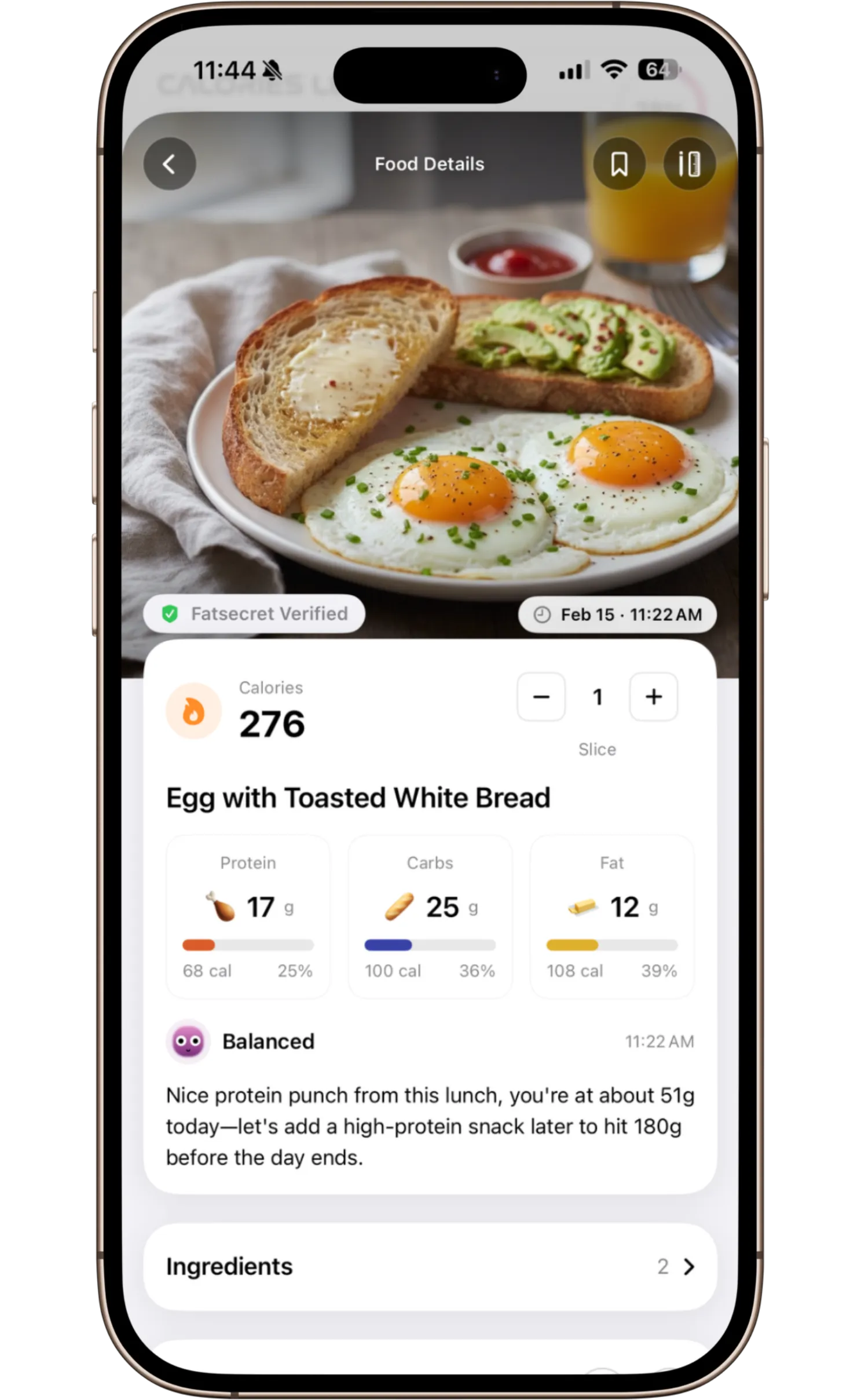
TDEE-based with high/medium/low carb day distribution
Our calculator first determines your Total Daily Energy Expenditure (TDEE), which is the estimated number of calories you burn each day, considering your basal metabolic rate and activity level. Based on your TDEE and goals, it then distributes your daily carbohydrate intake across high, medium, and low carb days. Protein intake remains relatively consistent to support muscle maintenance and growth, while fat intake adjusts to fill the remaining calories on different carb days, ensuring your total calorie target is met for each specific day type.
Understanding Carb Cycling for Optimal Results
How to Effectively Use Your Calculator Results
Common Mistakes to Avoid in Carb Cycling
Tips for Accuracy and Maximizing Your Carb Cycling Journey
Frequently Asked Questions
What is carb cycling and how does it work?+
Carb cycling is a dietary strategy where you alternate between high, medium, and low carbohydrate intake days. The goal is to optimize fat loss, muscle gain, and energy by strategically influencing hormone levels like insulin and leptin, leveraging the body's metabolic flexibility.
Is carb cycling effective for weight loss?+
Yes, carb cycling can be very effective for weight loss. By strategically reducing carbs on certain days, it encourages your body to burn stored fat for energy, while higher carb days help replenish muscle glycogen and prevent metabolic slowdown, supporting sustainable fat loss.
How long should I follow a carb cycling plan?+
The duration of a carb cycling plan can vary based on individual goals and how your body responds. Many people follow it for weeks or months to reach specific fitness targets, while others integrate it as a long-term lifestyle. It's best to assess your progress and adjust as needed.
What types of foods should I eat on high and low carb days?+
On high-carb days, focus on complex carbohydrates like oats, brown rice, quinoa, sweet potatoes, and fruits. On low-carb days, prioritize non-starchy vegetables (leafy greens, broccoli), lean proteins (chicken, fish, eggs), and healthy fats (avocado, nuts, olive oil).
Can vegetarians or vegans do carb cycling?+
Absolutely! Vegetarians and vegans can effectively carb cycle by choosing plant-based protein sources like lentils, beans, tofu, tempeh, and plant-based protein powders. High-carb days will include staple grains and starches, while low-carb days will focus on non-starchy vegetables and healthy fats from plant sources.
What are the benefits of carb cycling beyond weight loss?+
Beyond weight loss, carb cycling can improve athletic performance by optimizing glycogen stores for workouts, enhance muscle growth and recovery, and potentially boost metabolic flexibility and insulin sensitivity. It also offers a flexible approach that can be easier to adhere to than very restrictive diets.
Let GAYA do the math for you
Snap a photo of your food — GAYA calculates calories, protein, carbs, and fat in seconds. No manual logging needed.
Download GAYA