
Fiber Intake Calculator
Discover your ideal daily fiber intake with GAYA's Fiber Intake Calculator, designed for anyone looking to optimize their digestive health, manage weight, and improve overall well-being. This tool provides personalized recommendations based on established nutritional guidelines, helping you make informed dietary choices.
Let GAYA do the math for you
Snap a photo of your food — GAYA calculates calories, protein, carbs, and fat in seconds. No manual logging needed.
Download GAYA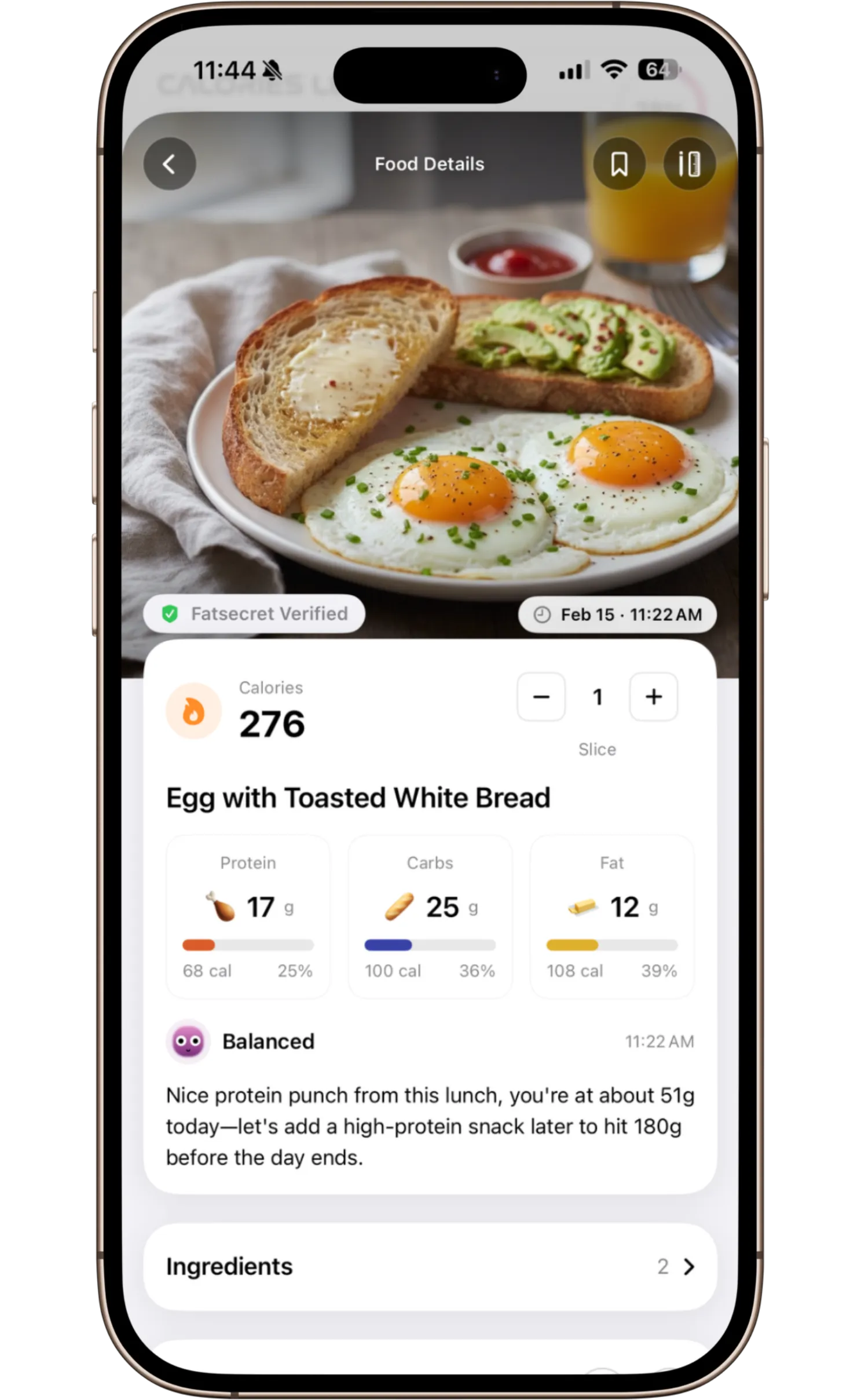
Age and sex-based recommendations (Academy of Nutrition & Dietetics)
Our Fiber Intake Calculator uses the latest recommendations from the Academy of Nutrition & Dietetics, tailoring your daily fiber target based on your age and sex. These guidelines are developed by nutrition experts who analyze extensive research on how much fiber different demographic groups need for optimal health. Essentially, it translates complex scientific data into a simple, personalized daily goal, ensuring you get enough of this crucial nutrient for digestion, heart health, and blood sugar control.
Understanding Your Fiber Needs
How to Utilize Your Personalized Fiber Goal
Common Mistakes to Avoid When Increasing Fiber
Tips for Accurate Fiber Tracking and Intake
Frequently Asked Questions
What is the recommended daily fiber intake?+
The recommended daily fiber intake varies by age and sex. Generally, adult women should aim for 25 grams per day, while adult men should target 38 grams per day, according to the Academy of Nutrition & Dietetics. Our calculator provides a personalized recommendation based on these guidelines.
What are the benefits of adequate fiber intake?+
Adequate fiber intake offers numerous health benefits, including improved digestive health, reduced risk of constipation, and better blood sugar control. It also helps lower cholesterol, promotes satiety for weight management, and can decrease the risk of heart disease and certain cancers.
What are good sources of dietary fiber?+
Excellent sources of dietary fiber include fruits (berries, apples), vegetables (broccoli, carrots), legumes (beans, lentils), whole grains (oats, brown rice, whole wheat bread), and nuts and seeds (almonds, chia seeds). Incorporating a variety of these foods ensures you get both soluble and insoluble fiber.
Can I get too much fiber?+
While fiber is beneficial, consuming excessively high amounts, especially without adequate fluid intake, can lead to digestive discomforts like bloating, gas, and constipation. It can also potentially interfere with the absorption of certain minerals. It's best to gradually increase fiber and stay within recommended guidelines.
How can I easily increase my fiber intake?+
To easily increase fiber, start by making simple swaps like choosing whole-grain options over refined grains. Add fruits and vegetables to every meal, snack on nuts and seeds, and incorporate legumes into soups and salads. Gradually introduce these changes to allow your body to adjust.
Does cooking reduce fiber content in foods?+
Cooking generally does not significantly reduce the total fiber content of foods, as fiber is largely resistant to heat. However, some cooking methods, like peeling vegetables or blending fruits into smoothies without the pulp, can remove or break down some of the insoluble fiber. Eating a mix of raw and cooked fiber-rich foods is ideal.
Let GAYA do the math for you
Snap a photo of your food — GAYA calculates calories, protein, carbs, and fat in seconds. No manual logging needed.
Download GAYA