
Caffeine Intake Calculator
Our Caffeine Intake Calculator helps you understand your daily caffeine limits based on your body weight, aligning with FDA and EFSA safety guidelines. This tool is essential for anyone looking to manage their energy levels safely, avoid adverse effects, and optimize their overall well-being.
Let GAYA do the math for you
Snap a photo of your food — GAYA calculates calories, protein, carbs, and fat in seconds. No manual logging needed.
Download GAYA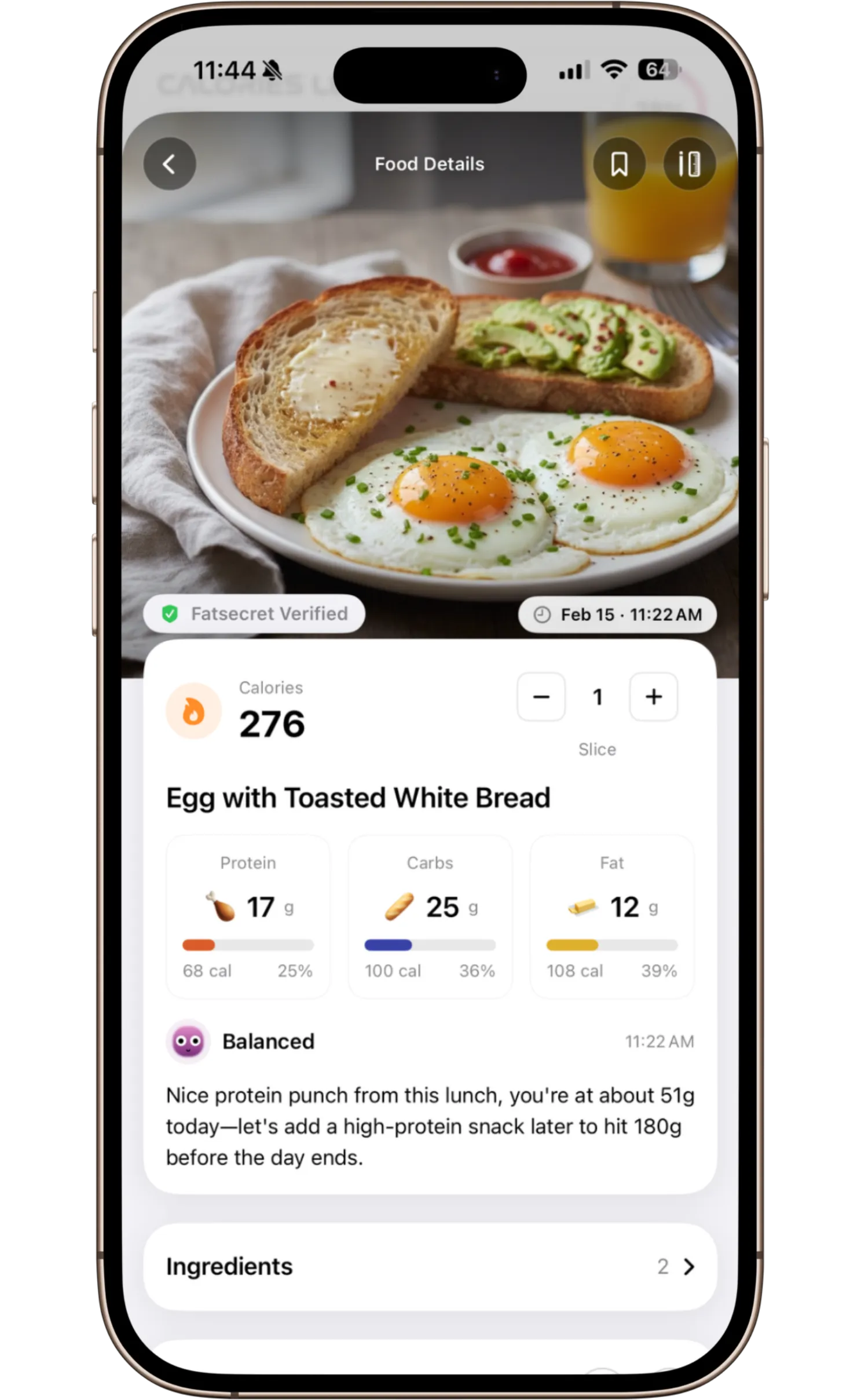
Body weight-based safe limits (FDA & EFSA guidelines)
This calculator determines your personalized safe caffeine limit using established guidelines from the FDA (U.S. Food and Drug Administration) and EFSA (European Food Safety Authority). These organizations recommend a daily caffeine intake based on your body weight to minimize health risks. Essentially, it calculates how much caffeine is generally considered safe for your specific body size, helping you stay within healthy consumption levels.
Understanding Your Personalized Caffeine Limit
Applying Your Caffeine Limit to Daily Life
Avoiding Common Caffeine Intake Missteps
Maximizing the Accuracy of Your Caffeine Calculation
Frequently Asked Questions
Why is caffeine intake based on body weight?+
Caffeine metabolism and its effects can vary significantly depending on an individual's body mass. Larger individuals generally have a greater capacity to process and tolerate caffeine compared to smaller individuals, which is why guidelines like those from the FDA and EFSA use body weight as a key factor in determining safe limits. This helps to personalize the recommendation for better safety and efficacy.
What are the common symptoms of too much caffeine?+
Consuming too much caffeine can lead to symptoms such as nervousness, anxiety, restlessness, insomnia, increased heart rate, tremors, and digestive upset. In severe cases, very high doses can cause more serious issues like heart palpitations or seizures. These symptoms typically indicate that you have exceeded your body's tolerance for caffeine.
Does decaf coffee contain caffeine?+
Yes, decaf coffee is not entirely caffeine-free. While the decaffeination process removes most of the caffeine, a small amount typically remains. An 8-ounce cup of decaf coffee usually contains around 2-15 milligrams of caffeine, compared to 95-200 milligrams in a regular cup. It's important to account for this if you are highly sensitive or consuming multiple decaf beverages.
Are energy drinks safe within my caffeine limit?+
Energy drinks often contain very high levels of caffeine, sometimes exceeding the amount in several cups of coffee in a single serving. While they can fit within your calculated daily limit, it's crucial to check their labels carefully. Many also contain other stimulants or high sugar content, which can have additional health implications beyond just caffeine.
How long does caffeine stay in my system?+
The half-life of caffeine, which is the time it takes for half of the substance to be eliminated from your body, is typically around 5 hours. However, this can vary widely among individuals, ranging from 1.5 to 9.5 hours, depending on factors like genetics, liver function, and certain medications. This is why consuming caffeine late in the day can often interfere with sleep.
Can I build a tolerance to caffeine?+
Yes, regular consumption of caffeine can lead to the development of tolerance, meaning you may need increasingly larger doses to achieve the same stimulating effects. This occurs as your brain adapts to the presence of caffeine. If you develop tolerance, reducing your intake for a period can help reset your sensitivity.
Let GAYA do the math for you
Snap a photo of your food — GAYA calculates calories, protein, carbs, and fat in seconds. No manual logging needed.
Download GAYA